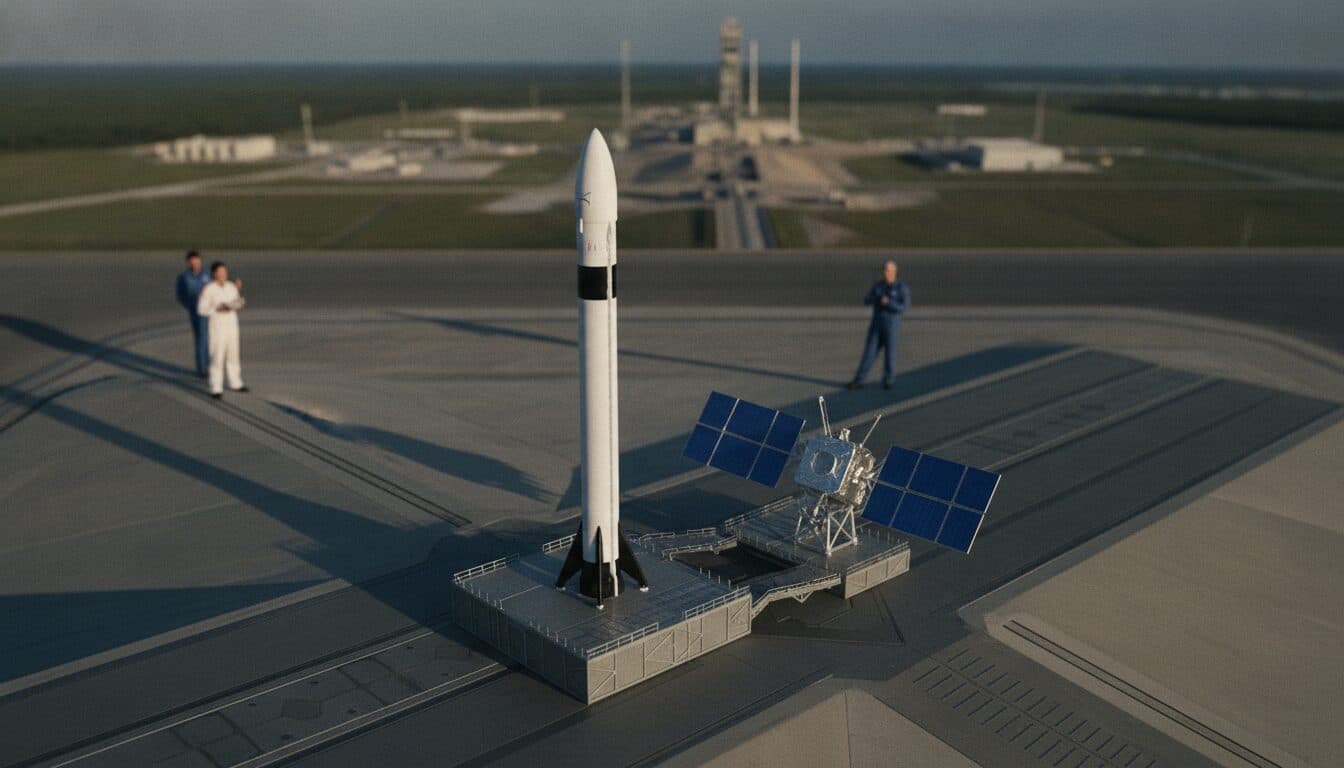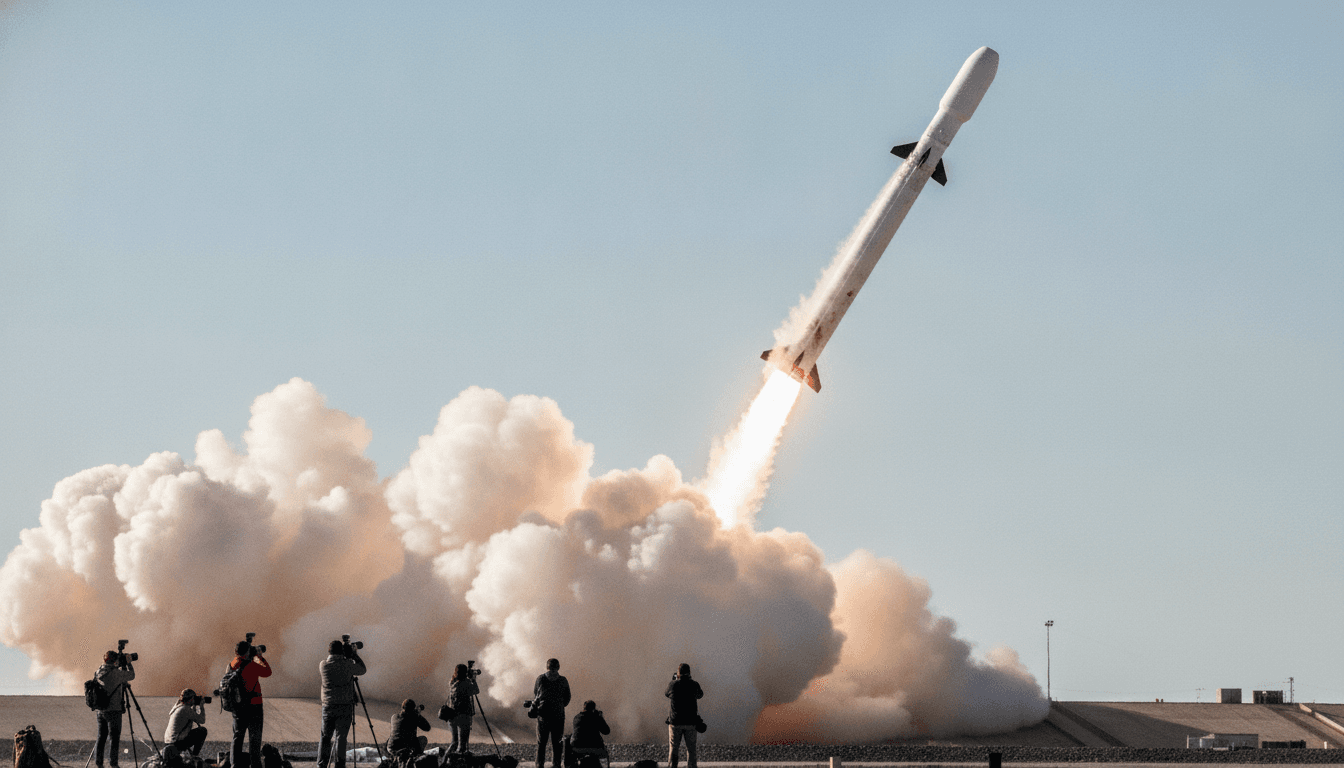
This week brings a notable increase in launch activity as SpaceX schedules double Falcon 9 launches from Vandenberg Space Force Base, underlining the accelerating pace of satellite deployment for its Starlink broadband internet constellation. The Ventura County Star reported on Tuesday, June 9, 2026, that two Falcon 9 rockets are slated for liftoff on Wednesday, June 10, and Sunday, June 14, both carrying batches of Starlink satellites into low-Earth orbit.
These missions underscore SpaceX’s relentless pursuit of global satellite internet coverage, with each launch deploying 24 Starlink satellites. Both events are scheduled with a morning launch window, between 7 and 11 a.m. PT, from Space Launch Complex 4E at Vandenberg. The reusable Falcon 9 boosters, each standing 230 feet tall and capable of delivering over 50,000 pounds of cargo to low-Earth orbit, are expected to perform autonomous landings on SpaceX’s drone ship, “Of Course I Still Love You,” stationed in the Pacific Ocean.
Impact Analysis
The cadence of these double Falcon 9 launches from Vandenberg highlights the operational efficiency and reliability achieved by SpaceX in its Starlink deployment strategy. Regular, high-volume launches are critical for building out the megaconstellation necessary to provide seamless, low-latency broadband internet access worldwide. Each successful mission adds crucial nodes to the network, expanding coverage areas and improving service quality for existing subscribers.
For the space industry, this rapid launch schedule sets a benchmark. It demonstrates the capabilities of private aerospace companies to conduct frequent, complex operations, a stark contrast to the slower, government-led space programs of previous decades. The reusability of the Falcon 9 rocket, with its booster returning for a precision landing, is a cornerstone of this efficiency, drastically reducing the cost per launch and enabling such frequent missions. This model is increasingly influencing other players in the commercial space sector, pushing towards more sustainable and economical access to orbit.
“The persistent rhythm of Starlink deployments from Vandenberg is not just about connecting more users; it’s a testament to the maturation of commercial spaceflight and the economic viability of reusable rocket technology.”
The visible launches from Vandenberg Space Force Base also serve as a public spectacle, drawing attention from Californians and even Arizonans, who can often witness the rockets ascending into the sky. This public engagement helps maintain interest and support for space exploration and commercial ventures, even as the operations become more routine.
The Growing Starlink Constellation
SpaceX’s Starlink initiative aims to provide high-speed, low-latency internet globally, particularly in remote and underserved areas where traditional broadband infrastructure is lacking. The two upcoming missions, designated Starlink 17-44 and Starlink 17-54, will contribute another 48 satellites to this ever-expanding network. The success of Starlink is not only a technological achievement but also a significant commercial endeavor, providing a substantial revenue stream for SpaceX and fueling further innovation in rocket technology and interplanetary ambitions.
The strategic importance of Vandenberg Space Force Base for these polar and sun-synchronous orbit missions cannot be overstated. Its location on the California coast allows for launches over the Pacific Ocean, minimizing risk to populated areas and providing optimal trajectories for satellite deployment. This geographical advantage, combined with SpaceX’s operational prowess, forms a powerful synergy driving the rapid expansion of the Starlink network.
What’s Next for Satellite Broadband
Looking ahead, the trajectory of satellite broadband services, spearheaded by ventures like Starlink, points towards an increasingly interconnected world. The continuous deployment of satellites suggests that the initial phases of network build-out are far from over. Future developments will likely focus on enhancing satellite capabilities, increasing bandwidth, and reducing latency even further. Competition in this sector is also intensifying, with other companies like Amazon’s Project Kuiper and OneWeb also developing their own satellite internet constellations, promising a dynamic landscape of innovation and service expansion.
The upcoming double Falcon 9 launches from Vandenberg are more than just routine space missions; they represent critical steps in the ongoing expansion of global internet infrastructure and a clear demonstration of the commercial space industry’s capacity for sustained, high-volume operations. As the Starlink network grows, its impact on global connectivity and the broader telecommunications sector will only become more pronounced, solidifying its role as a transformative force in the digital age.