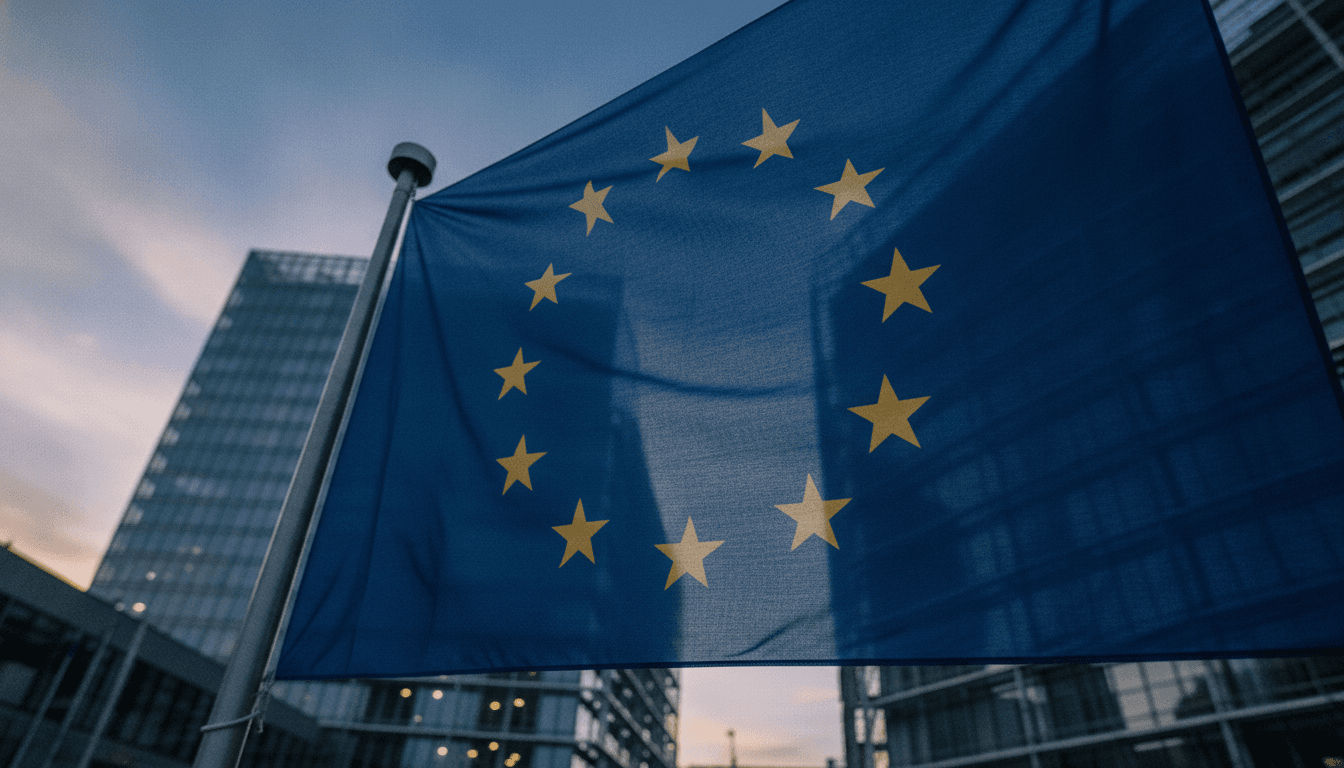
EU defence and governance reforms are at the forefront of discussions in Brussels, as the European Union grapples with evolving global diplomatic dynamics and intensified geopolitical pressures. The bloc is undertaking a critical reassessment of its capacity to respond effectively to major international developments, sparking renewed debate over defence coordination, foreign policy decision-making, and institutional restructuring.
A central tenet of this debate revolves around military cooperation within the EU and its intricate relationship with NATO. Kaja Kallas, the EU High Representative for Foreign Affairs and Security Policy, has firmly articulated that defence remains fundamentally a national responsibility. She emphasized that existing national armed forces should continue to form the bedrock of Europe’s security architecture, pushing member states towards greater joint efforts. Kallas explicitly rejected the notion of a separate EU army, cautioning that establishing additional military structures would lead to unproductive duplication and potential confusion.
“Every member state has one army,” Kallas stated, underscoring that the primary focus should be on enhancing cooperation among existing forces rather than creating alternative military institutions.
Political analysts observe that while the EU was initially conceived as a project centered on peace and economic integration, escalating geopolitical tensions have amplified calls for a more cohesive strategic approach among its member states. This debate has gained considerable traction as European leaders strive to bolster the bloc’s international standing, all while navigating the delicate balance between national sovereignty and collective action. Previous discussions, such as those regarding a mutual assistance clause amid concerns over NATO’s future, highlight the persistent nature of these strategic anxieties.
Foreign Policy Reforms Spark Institutional Debate
Beyond defence, Brussels is actively exploring potential reforms to the EU’s institutional framework. One significant proposal under review seeks to integrate the European External Action Service (EEAS) more closely into the European Commission. Proponents argue this move could significantly enhance policy coherence and streamline diplomatic operations. However, this suggestion has simultaneously brought to light divergent perspectives on the allocation of authority between the President of the European Commission and the High Representative for Foreign Affairs.
Several member states have voiced apprehensions that such centralizing changes could concentrate excessive power within EU institutions, thereby diminishing the influence of national governments in shaping foreign policy. This tension between efficiency and national control has long been a defining characteristic of discussions surrounding EU integration.
Divisions Emerge Over Decision-Making Rules
The method by which foreign policy decisions are adopted remains a considerable point of contention. Nations like Germany and Sweden advocate for replacing the current consensus-based system with qualified majority voting. They argue that the requirement for unanimous approval can significantly impede timely decision-making during critical international crises. Conversely, countries including France and Belgium prefer to retain national veto powers, asserting that unanimity is vital for safeguarding national interests and preserving sovereignty in sensitive foreign policy matters. The ongoing discussions around European foreign policy shifts reflect this fundamental philosophical divide.
EU Security Council Proposal Resurfaces
The concept of establishing an EU Security Council has also re-entered the political discourse. This idea, originally floated in the 1980s, envisions a smaller, more agile body designed to address urgent security and foreign policy matters, potentially circumventing the need for unanimous consent from all 27 member states. Supporters contend that a more streamlined structure could facilitate faster and more decisive responses to international challenges. Some defence analysts have even suggested the inclusion of the United Kingdom, citing its enduring importance to European security despite its departure from the EU.
Concerns Over Representation and NATO Overlap
Despite renewed interest, the EU Security Council proposal faces substantial resistance. Smaller member states are concerned that such a model could effectively exclude them from crucial decisions, concentrating influence among a limited group of larger nations. Furthermore, security experts and several national delegations have warned that a separate EU security body could create undesirable overlap with existing NATO mechanisms, potentially leading to institutional duplication and strategic confusion. This highlights the complex interplay between European aspirations for strategic autonomy and existing transatlantic commitments.
As these discussions continue in Brussels, no formal agreement has been reached on the future of the proposed EU Security Council or the broader EU defence and governance reforms. Member states are navigating a complex landscape, striving to balance the imperative for collective European action with the preservation of national sovereignty and the enduring importance of transatlantic alliances. The outcome of these deliberations will profoundly shape the EU’s geopolitical influence and its capacity to act decisively on the global stage in the coming years.