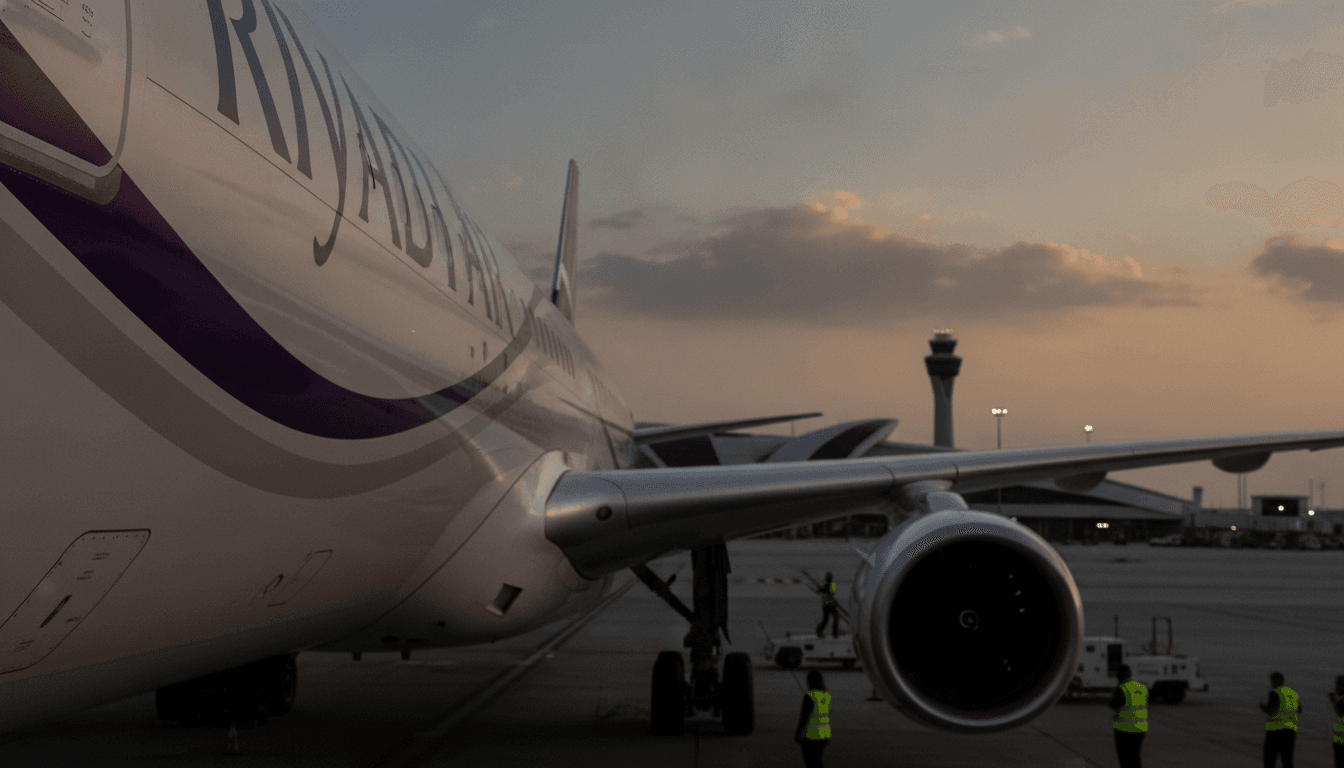
Riyadh Air launches Heathrow route to shield global travelers from mega-hub travel chaos, a strategic move announced on Friday, June 12, 2026. This new direct connection between Riyadh and London Heathrow Airport signals a significant development in global aviation, aiming to alleviate the increasing pressures faced by passengers navigating congested international transit hubs. The airline’s proactive decision underscores a growing industry recognition of the need for more streamlined travel experiences amidst burgeoning global demand.
The Story: Riyadh Air’s Strategic Expansion
The core of this development centers on Riyadh Air, the Kingdom of Saudi Arabia’s newest national carrier, and its decision to introduce a direct service to London Heathrow. While specific flight schedules, aircraft types, or frequency details were not provided in the initial announcement, the overarching goal is clear: to offer travelers a more direct and potentially less stressful alternative to routes that typically involve multiple layovers through established mega-hubs. This initiative by Riyadh Air positions the airline as a potential disruptor, directly addressing a pain point for many international travelers – the complexity and delays often associated with transit through major global aviation crossroads.
Impact Analysis: Reconfiguring Global Travel Flows
This new Riyadh Air Heathrow route could significantly reconfigure global travel flows, particularly for passengers originating from or destined for the Middle East, Asia, and even parts of Africa, who might traditionally transit through European or other Gulf hubs. By offering a direct link to one of Europe’s busiest airports, Riyadh Air is not merely adding capacity; it is offering an alternative pathway designed to bypass the bottlenecks that have become synonymous with mega-hub operations. This directness could appeal to both business travelers seeking efficiency and leisure travelers prioritizing convenience and reduced travel time. The move also intensifies competition among Gulf carriers, each vying for a share of the lucrative international transit market. For London Heathrow, this new route represents continued confidence in its status as a premier global gateway, despite its own capacity constraints. It also highlights the strategic importance of direct connectivity in a post-pandemic world where reliability and ease of travel are increasingly valued.
“The introduction of direct routes like Riyadh Air’s Heathrow service signals a strategic pivot in the aviation industry, moving towards decentralizing traditional transit patterns and offering more direct conduits for global mobility.”
Context & Background: A Shifting Aviation Landscape
The global aviation industry has been grappling with a surge in demand following the pandemic, often leading to operational strains at major airports. Issues ranging from air traffic control limitations to staffing shortages have contributed to delays and cancellations, making transit through large, interconnected hubs a source of considerable frustration for passengers. Against this backdrop, new entrants and expanding carriers are increasingly looking for ways to differentiate their offerings. Riyadh Air, still in its nascent stages, appears to be adopting a strategy focused on directness and traveler comfort, positioning itself as a solution to this widespread problem. This approach aligns with broader industry trends towards enhanced passenger experience and operational resilience, especially as global tourism continues its robust recovery. For more on the evolving strategies of new carriers, see our related travel & tourism articles.
What’s Next: Future Implications and Market Dynamics
The success of the Riyadh Air Heathrow route will undoubtedly be closely watched by industry analysts and competitors alike. Should this direct service prove popular, it could encourage other airlines to re-evaluate their own network strategies, potentially leading to a proliferation of more direct, point-to-point routes that bypass traditional mega-hubs. This could have long-term implications for the dominance of certain transit airports and the competitive landscape of international air travel. Furthermore, the move could bolster Riyadh’s aspirations as a burgeoning global city and a significant aviation hub in its own right, attracting more investment and tourism. Future decisions regarding fleet expansion, additional route launches, and strategic partnerships will be critical in determining Riyadh Air’s ultimate impact on the global stage. The airline’s ability to consistently deliver on its promise of shielding global travelers from mega-hub travel chaos will be paramount.
This strategic launch by Riyadh Air is not merely about adding a new flight path; it’s a calculated response to evolving traveler needs and a testament to the dynamic nature of the global aviation sector. As airlines continue to innovate and adapt, initiatives like the Riyadh Air Heathrow route will play a crucial role in shaping the future of international travel, prioritizing efficiency and passenger well-being in an increasingly interconnected world.