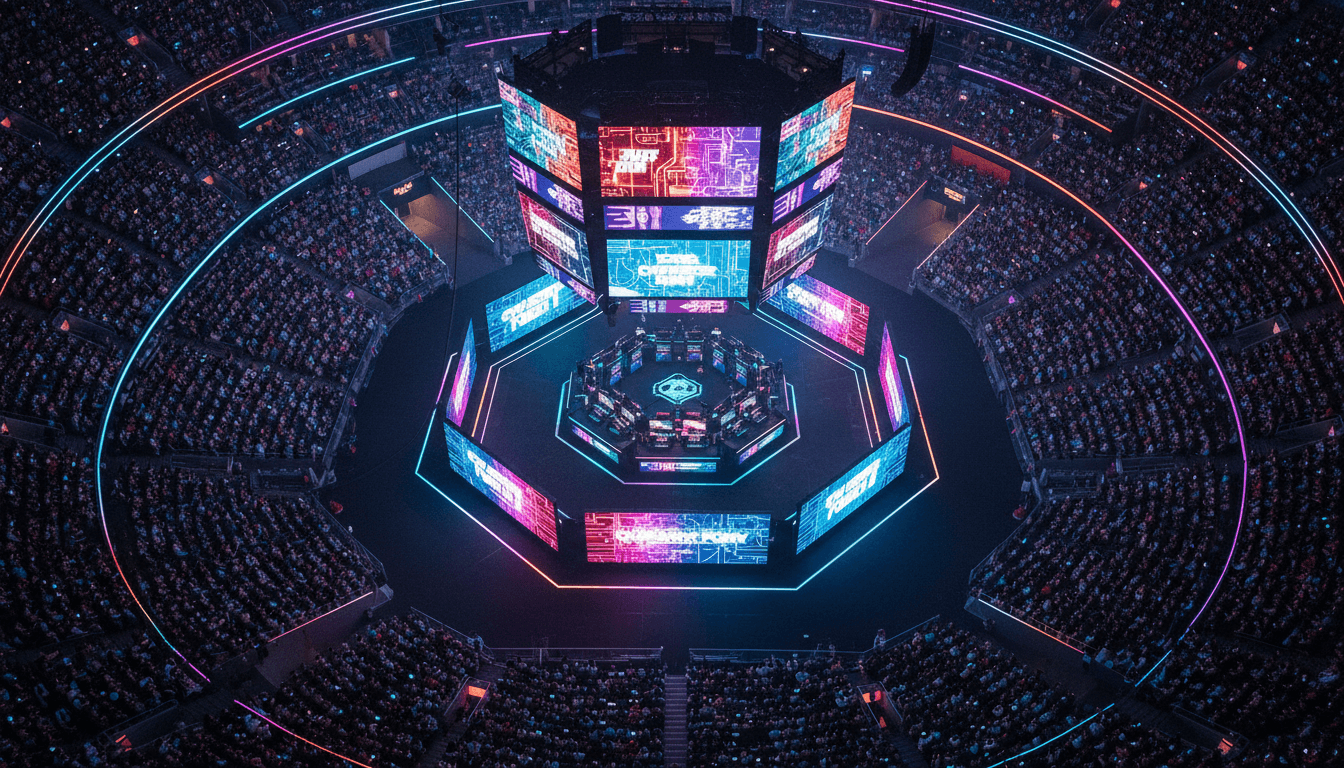
Xbox CEO telegraphs stalled gaming growth, a significant pronouncement made on Sunday, April 26, 2026, casting a shadow over the gaming industry’s immediate future, particularly in the wake of Microsoft’s colossal $70 billion acquisition of Activision Blizzard. The statement, reported by TweakTown, indicates a more tempered outlook from one of the industry’s most influential figures, a perspective that could reshape investor expectations and strategic planning across the sector. This acknowledgment from Xbox leadership suggests that even mega-mergers, once seen as catalysts for exponential expansion, might not insulate companies from broader market dynamics.
The Business Impact of Stalled Gaming Growth
Phil Spencer, the CEO of Xbox, is the central figure in this developing narrative. His recent comments, as highlighted by TweakTown, signal a potential deceleration in the overall gaming market, a stark contrast to the boom periods experienced over the past decade. This assessment comes after Microsoft finalized its monumental $70 billion acquisition of Activision Blizzard, a deal that reshaped the competitive landscape and promised to inject new life into Xbox’s content pipeline. The business and financial dimensions of Spencer’s remarks are profound: they imply that the expected synergies and revenue boosts from the Activision integration might face headwinds from a less robust market environment. For investors, this translates to a recalibration of growth forecasts and potentially, a more cautious approach to gaming sector investments.
The gaming industry has long been a darling of investors, consistently outperforming many traditional entertainment sectors. However, Spencer’s statements suggest that this upward trajectory may be flattening. This could impact everything from quarterly earnings reports for publicly traded gaming companies to the valuation of smaller, independent studios looking for acquisition. The message from Xbox’s top brass is clear: while the Activision buyout was a strategic move to bolster content and market share, it doesn’t guarantee uninterrupted, aggressive growth in a potentially maturing or saturated market. For more insights into major gaming acquisitions, see our related articles.
Market Dynamics and Industry Context
The market’s reaction to such high-level executive commentary is often swift. While specific stock price movements aren’t detailed in the source, the implication of stalled gaming growth could lead to a broader re-evaluation of gaming company valuations. Competitors like Sony’s PlayStation and Nintendo, as well as major publishers such as Electronic Arts and Take-Two Interactive, will undoubtedly be factoring this outlook into their own strategies. The historical context shows periods of rapid expansion, often fueled by technological advancements like new console generations or the rise of mobile gaming. However, as these growth vectors mature, new challenges emerge.
“The telegraphing of stalled gaming growth by a major industry leader like Phil Spencer is a significant indicator that the industry might be entering a new phase of consolidation and more modest expansion, rather than the aggressive growth seen in previous cycles.”
This period follows an era of unprecedented M&A activity, with the Activision deal being the most prominent. Other significant moves, such as Take-Two’s acquisition of Zynga, also pointed to a drive for market share and content diversification. Spencer’s remarks, however, introduce a dose of realism, suggesting that even with these strategic maneuvers, the overall market pie may not be expanding at the rates previously anticipated. This could lead to increased competition for existing players and a greater focus on cost efficiencies and sustainable revenue models rather than purely chasing user acquisition.
What’s Next for the Gaming Sector
Looking ahead, the implications of Xbox CEO Phil Spencer’s assessment are far-reaching. Analysts will likely revise their growth projections for the gaming sector, potentially leading to more conservative investment recommendations. For Microsoft, this means a renewed focus on leveraging the Activision Blizzard portfolio to maximize engagement and monetization within a potentially slower-growing market. This could manifest in aggressive Game Pass expansions, cross-platform strategies, and a push for greater content exclusivity where beneficial. The industry might also see a shift towards more disciplined spending on new projects and a greater emphasis on live-service games that can generate long-term revenue from existing player bases.
Upcoming milestones, such as new game releases from Activision Blizzard studios under Microsoft’s ownership, will be scrutinized not just for their critical reception but for their ability to drive substantial revenue in a more challenging environment. Investors will be keen to see how Microsoft articulates its strategy to navigate this period of potentially stalled gaming growth, especially after such a massive capital outlay. The focus will shift from purely acquiring market share to optimizing existing assets and demonstrating profitability amidst broader market slowdowns. Explore our archives for deeper analysis on gaming industry economics.
The Xbox CEO telegraphs stalled gaming growth, signaling a maturation phase for the global video game industry. This pronouncement from Xbox leadership underscores that even the largest players, backed by monumental acquisitions like the $70 billion Activision buyout, are not immune to broader economic pressures and market saturation. For investors and industry stakeholders, this means a necessary recalibration of expectations, a greater emphasis on sustainable business models, and a renewed focus on innovation that can genuinely expand the market rather than merely capturing existing segments. The coming months will reveal how major gaming entities adapt their strategies to thrive in this new, potentially more constrained, growth environment.