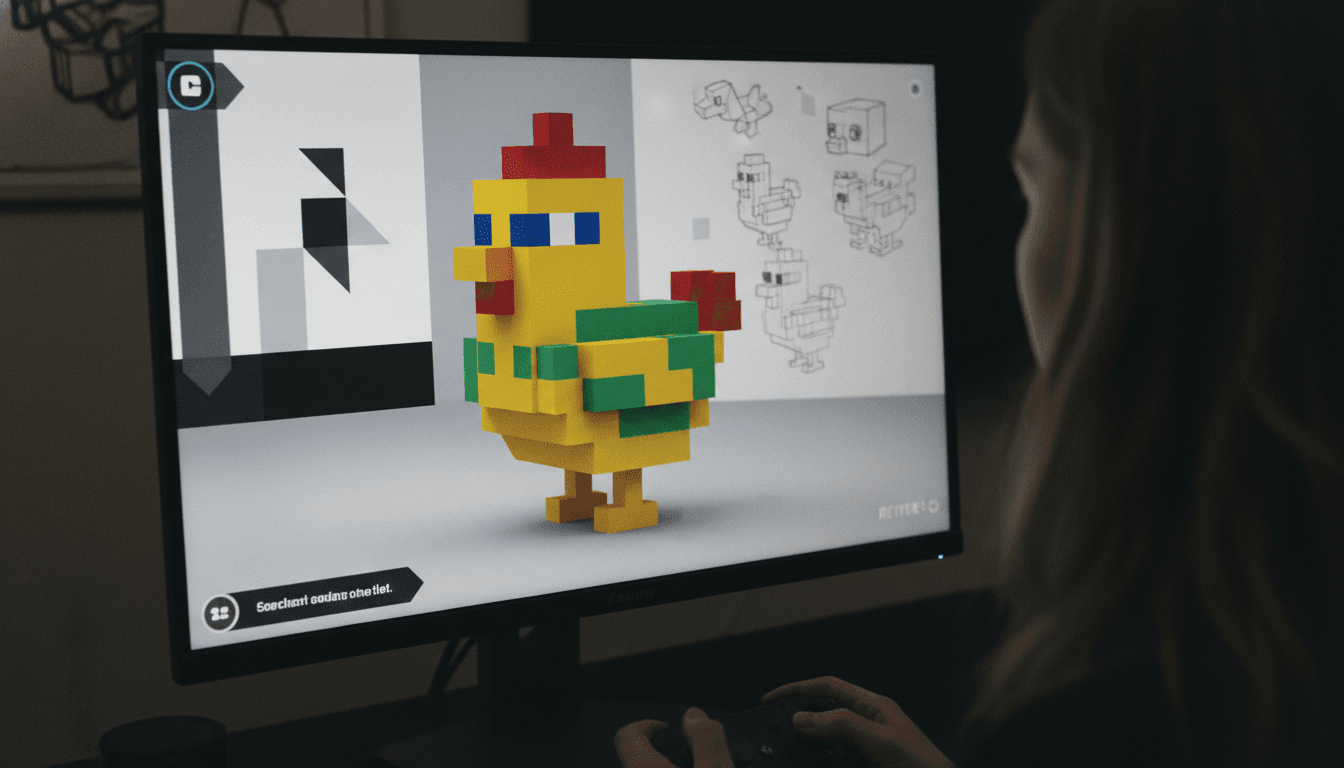
Atari acquires Hipster Whale, the Australian game developer, for a reported $40 million, marking a significant strategic move for the veteran gaming company on Thursday, June 4, 2026. This acquisition underscores Atari’s continued efforts to expand its portfolio with proven mobile-first intellectual property and talent, signaling a clear direction for its growth strategy in an increasingly competitive market.
The deal sees Atari, a name synonymous with early console gaming, bringing the creative force behind several highly successful mobile titles under its corporate umbrella. Hipster Whale, based in Australia, has garnered significant acclaim for its accessible, engaging, and highly monetizable games. The $40 million price tag reflects not only the studio’s current value but also the perceived future potential of its existing franchises and its development capabilities. This transaction is a clear indication of the ongoing consolidation within the gaming industry, where established players are keen to absorb innovative studios to bolster their offerings and reach new demographics. For Hipster Whale, joining Atari provides substantial resources and a broader platform for its future projects, potentially accelerating its development cycles and market penetration.
Market Impact and Atari’s Strategy
The acquisition of Hipster Whale for $40 million is expected to have a notable impact on Atari’s market standing, particularly in the mobile gaming sector. While specific stock price reactions are yet to be fully analyzed, such an investment typically signals confidence to investors regarding future revenue streams and market share expansion. Atari has been on a trajectory of revitalization, moving beyond its retro roots to embrace modern gaming trends. This acquisition fits squarely into that strategy, providing a fresh injection of contemporary game design expertise and a track record of commercial success. The move also highlights the increasing value placed on intellectual property that can thrive across multiple platforms, especially mobile, which continues to be a dominant force in the global gaming market. This strategic play could position Atari to capture a larger segment of the casual and hyper-casual gaming audience, diversifying its revenue streams beyond its traditional arcade and console offerings.
“This acquisition is not just about expanding a game library; it’s about acquiring proven talent and a development ethos that resonates with a broad, contemporary audience. It’s a smart play in a market hungry for engaging, accessible content.”
In the broader gaming industry landscape, this deal reflects a continuing trend of larger entities acquiring successful smaller studios. Competitors, ranging from other legacy publishers to modern tech giants, are constantly seeking opportunities to strengthen their content pipelines and talent pools. The valuation of Hipster Whale at $40 million also sets a benchmark for similar-sized independent studios, influencing future M&A discussions. Related gaming articles often discuss how these strategic acquisitions are reshaping the competitive dynamics, leading to a more consolidated but potentially more innovative industry as resources are pooled.
Industry Context and Future Outlook
The gaming industry has been characterized by consistent growth and strategic consolidations. Major publishers have been aggressively acquiring studios to secure talent, technology, and intellectual property. This move by Atari to acquire Hipster Whale is part of that larger narrative, demonstrating a focus on securing proven development capabilities. The increasing importance of mobile gaming, with its vast global audience and diverse monetization models, makes studios like Hipster Whale particularly attractive. The Australian gaming scene, in particular, has seen a rise in innovative and commercially successful developers, making it a fertile ground for such acquisitions. This deal may also spur further investment and interest in the Australian development sector.
Looking ahead, the integration of Hipster Whale into Atari’s ecosystem will be a key area of focus. Analysts will be watching to see how Atari leverages Hipster Whale’s expertise in mobile game development and how their existing IPs are integrated or expanded. There is potential for cross-platform development, bringing Hipster Whale’s successful mobile concepts to other platforms, or infusing Atari’s classic IP with Hipster Whale’s modern design sensibilities. Upcoming milestones could include new game announcements or updates to existing titles under the Atari banner. The long-term success of this acquisition will hinge on effective synergy between the two entities and their ability to innovate collaboratively.
The acquisition of Hipster Whale by Atari for $40 million is a clear signal of Atari’s strategic intent to solidify its position in the modern gaming landscape. By investing in a successful, contemporary mobile developer, Atari is not merely looking to its past glories but actively building a future with a diverse and engaging portfolio. This move highlights the continued value of creative talent and established intellectual property in the dynamic and ever-evolving global gaming industry, providing a compelling case study for investors and industry observers alike.