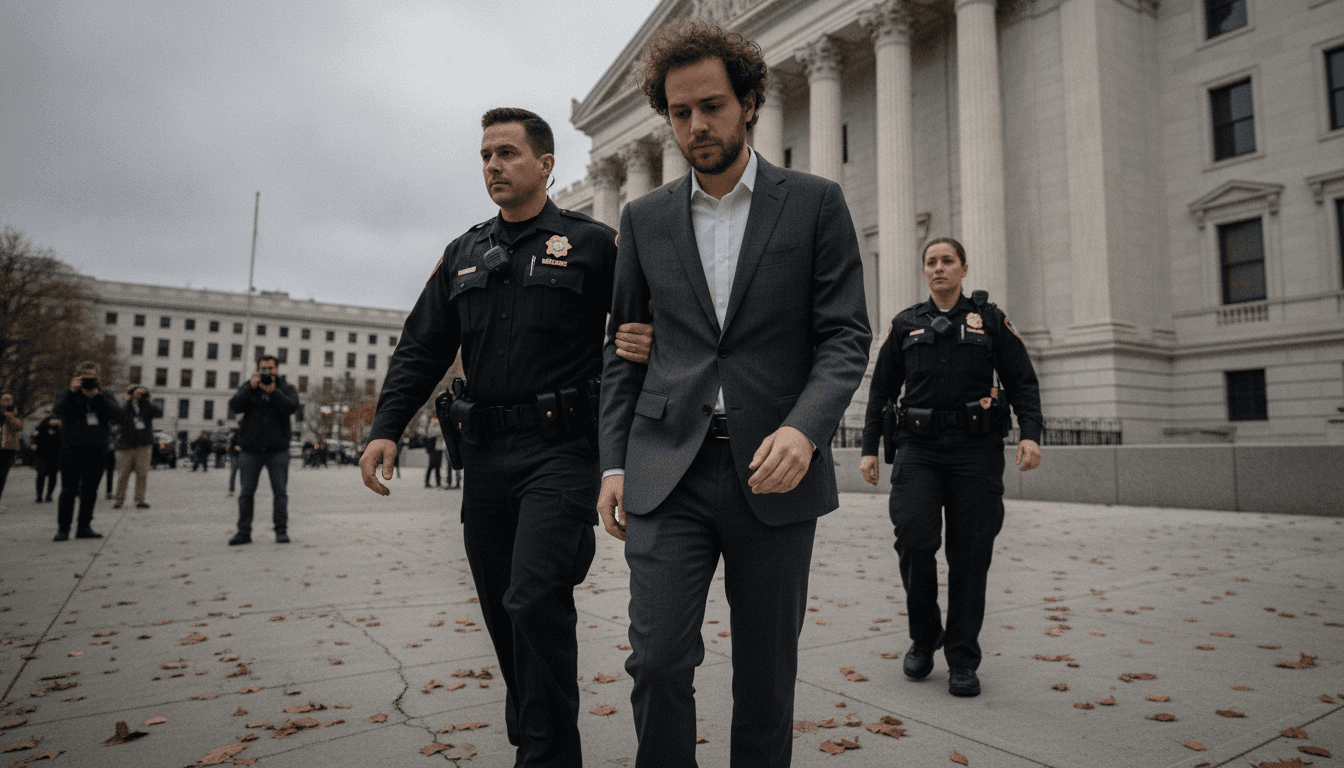
A complex Paycheck Protection Program (PPP) loan applications fraud scheme saw Christopher Paul Lick, a 48-year-old Columbus, Mississippi resident, illegally obtain over $6 million in federal pandemic relief funds. Lick, who owned a modest candle shop, grossly inflated his employee count and payroll expenses across multiple loan applications, diverting the funds for personal luxury and speculative stock market investments.
How the Scheme Worked
In 2020, as the COVID-19 pandemic swept the nation, the federal government launched the CARES Act, including the Paycheck Protection Program, to provide a lifeline to struggling businesses. Christopher Paul Lick saw not a lifeline, but an opportunity. Despite his Columbus candle shop employing only seven individuals, Lick submitted four separate PPP loan applications, falsely claiming to employ more than 700 people. This egregious exaggeration of his workforce and associated payroll expenses allowed him to secure more than $6 million in funds intended for legitimate business sustenance.
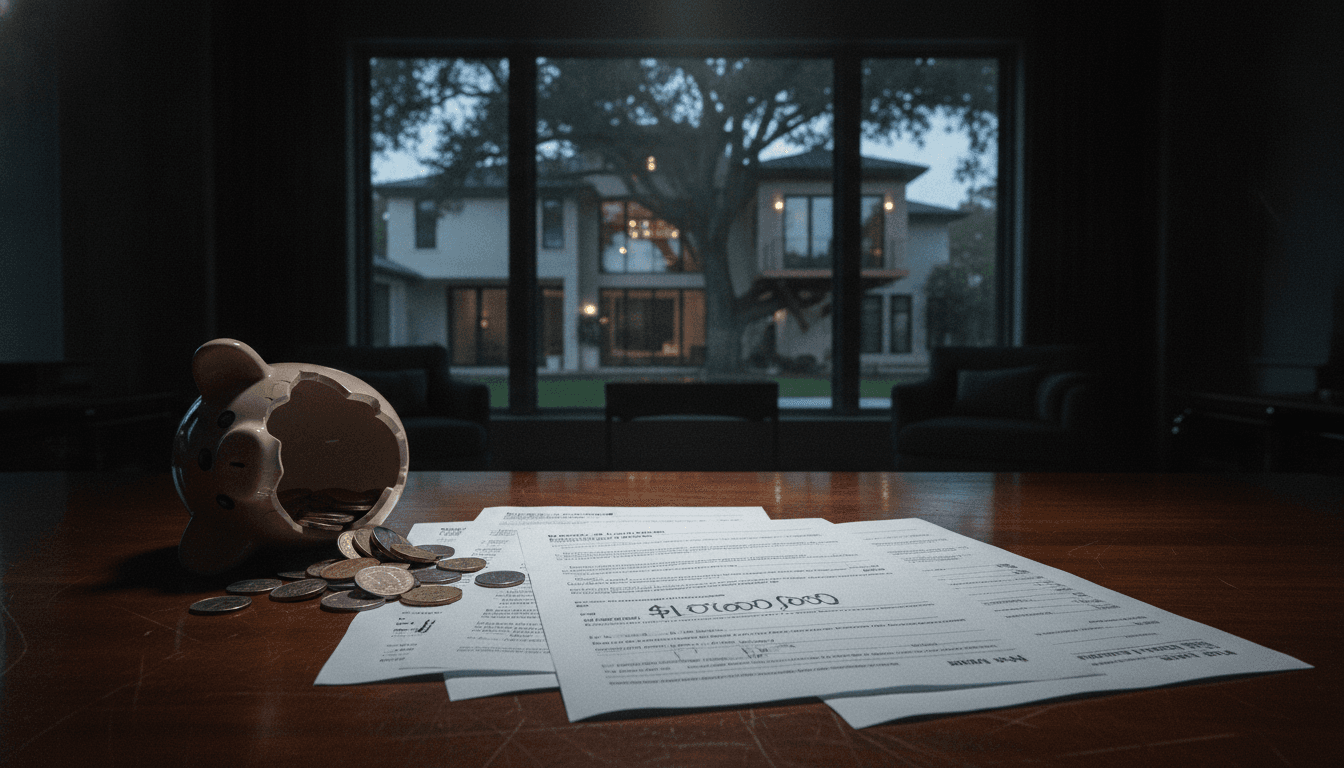
Instead of shoring up his businesses, Lick embarked on a spending spree. He purchased a luxurious house in Starkville, Mississippi, valued at over $1 million, a property notable for its unique air-conditioned treehouse. Further demonstrating his avarice, Lick funneled a significant portion of the illicit gains into the stock market. At one point, he reportedly amassed approximately $10 million in GameStop shares. This windfall, if properly managed, could have covered the full restitution of the PPP loans with a substantial profit remaining. However, by the time federal authorities closed in, the GameStop ‘bubble had burst,’ and most of these gains had evaporated.
The Victims: Trust Betrayed
The primary victim in this case was the American taxpayer, whose funds were intended to support genuine businesses and their employees during an unprecedented economic crisis. The PPP loan applications were designed to be a crucial safety net, but individuals like Lick exploited the system, diverting resources that could have saved countless legitimate small businesses from collapse. Every dollar fraudulently obtained represented a dollar less for a struggling entrepreneur, a laid-off worker, or a business teetering on the brink. The human impact, though not directly quantifiable in individual victims, lies in the erosion of trust in federal aid programs and the indirect harm to the broader economy by siphoning off critical relief funds.
Unraveling the Deception
The elaborate fraud began to unravel in May 2021 when federal authorities indicted Lick on 16 counts of wire fraud and money laundering. The investigation, likely triggered by discrepancies in his loan applications compared to the actual scale of his businesses, exposed the fabricated employee numbers and payroll figures. Prosecutors detailed how Lick had admitted to exaggerating these figures to illicitly secure the funds. The seizure of his assets, including his Starkville home, a Tesla, multiple bank accounts holding over $31,000, and an investment account, provided concrete evidence of the fraudulent gains and their misuse.
“The swift action by federal authorities to seize Lick’s assets underscores the government’s commitment to recovering fraudulently obtained pandemic relief funds, even if full restitution remains a challenge.”
Consequences and Lingering Questions
On May 16, 2022, Christopher Paul Lick pleaded guilty to a single count of wire fraud, leading to the dismissal of the remaining 15 counts. On August 12, 2022, he was sentenced to six-and-a-half years (78 months) in federal prison and ordered to repay $6 million in restitution. While prosecutors noted the ‘very significant monetary seizure’ of his assets, it did not cover the full amount defrauded. Lick is currently incarcerated at a minimum-security federal prison camp at Maxwell Air Force Base in Montgomery, Alabama.
In December 2023, Lick sought a reduction in his sentence, citing new sentencing guidelines that could have reduced his incarceration by 27 months, potentially allowing his release in May 2024 instead of his scheduled August 29, 2026, date. However, a federal judge denied this request, ensuring he serves his full term for the PPP loan applications fraud. This case serves as a stark reminder of the vigilance required to protect public funds from those seeking to exploit crises for personal gain. For more insights into similar financial crimes, explore related fraud investigations.
Lessons and Red Flags
The Christopher Paul Lick case highlights critical red flags for financial institutions and oversight bodies. Unusually large discrepancies between reported employee numbers and the known scale of a business, or sudden, significant spikes in payroll claims, should immediately trigger deeper scrutiny. Furthermore, the rapid diversion of business relief funds into personal luxury items or highly speculative investments is a clear indicator of potential fraud. Businesses seeking legitimate aid should be wary of any advice encouraging the exaggeration of figures, as the long-term consequences far outweigh any short-term perceived gains. This case underscores the importance of robust verification processes and aggressive enforcement to safeguard public trust and resources.