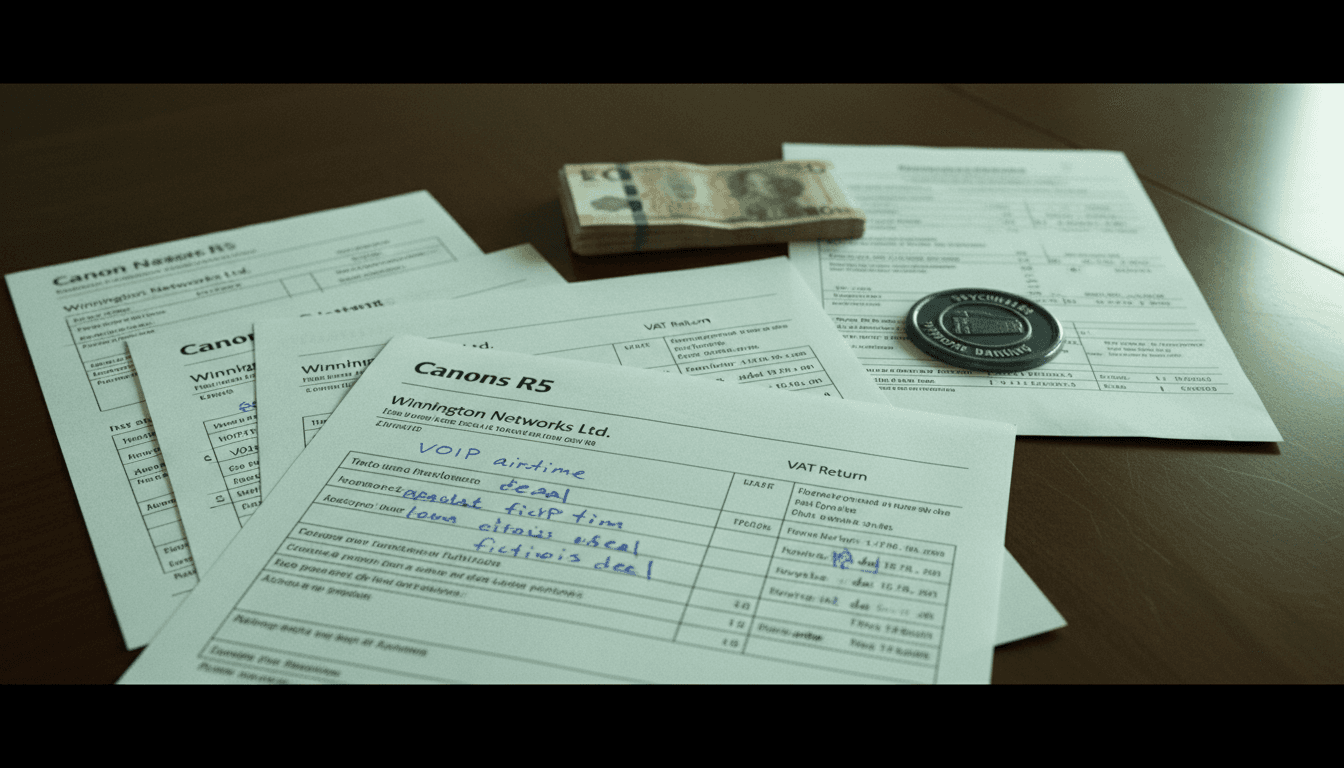
William Lindfield, a former Royal Marine commando and firefighter, has been sentenced to seven years and six months imprisonment for his central role in a sophisticated £20 million VAT fraud and money laundering operation. The scheme, which deliberately defrauded HMRC of funds earmarked for public services, exposed the intricate web of deceit woven through fake trades and offshore entities.
Who Is William Lindfield?
At 63 years old at the time of his sentencing, William Lindfield presented a varied professional background. His early life included seven years of distinguished service in the Royal Marines, followed by a career in security, working both in the UK and war-torn Iraq. Later, he served the public as a firefighter in Manchester. However, beneath this veneer of service lay a history of darker associations; Lindfield was previously implicated in a 2002 blackmail case that notably involved figures such as Tommy Adams of the Clerkenwell Syndicate, sports agent Paul Stretford, and football legend Kenny Dalglish. In the context of the VAT fraud, Lindfield operated as a ‘shadow director’ for Winnington Networks Ltd (WNL), a company ostensibly trading in electrical goods and wholesale metals from Crewe, Cheshire.
The Scheme Exposed
The fraud, described by Judge Dafna Spiro as “complex and highly sophisticated,” centered on Winnington Networks Ltd’s deliberate understatement of VAT owed to HMRC. It was an ‘off-set’ VAT fraud, meticulously designed to create fictitious liabilities to cancel out genuine ones. While WNL conducted legitimate trade, it simultaneously fabricated an extensive volume of Voice Over Internet Protocol (VOIP) airtime transactions. The vast majority of this supposed VOIP trade was entirely fictitious, a phantom industry conjured to generate fraudulent VAT claims.
To lend an air of legitimacy, the conspirators recruited owners of genuine VAT-registered businesses to issue fake documents in exchange for a share of the illicit profits. They went further, constructing multiple fictitious deal chains and even establishing two entirely fake offshore banking platforms, purportedly located in the Seychelles and Canada, to generate convincing, albeit fraudulent, financial records. The scheme ran from January 2011 to March 2014, during which WNL submitted 18 VAT returns, fraudulently withholding over £20 million from HMRC. Lindfield’s specific role included acting as a shadow director, facilitating cash transfers, and providing ‘security’ for these transactions to known gangsters, including Tommy Adams. Disturbingly, he also manipulated ten unsuspecting fellow firefighters into allowing their bank accounts to be used in the elaborate scheme, making them unwitting conduits for criminal activity.
Following the Money
Over £20 million in VAT was fraudulently diverted from HMRC, money that was intended to fund vital public services across the UK. The primary victim of this colossal theft was the British taxpayer, whose contributions were siphoned off to line the pockets of the fraudsters. While no individual victims suffered direct financial loss in the same vein as a Ponzi scheme, the societal impact was profound. The illicit gains were laundered through a sophisticated network, with the Crown Prosecution Service (CPS) now actively pursuing proceeds of crime proceedings to recover the stolen funds from all convicted defendants.
The Investigation
The unravelling of this elaborate fraud was the result of a painstaking investigation by HM Revenue and Customs (HMRC) under the codename “Operation Barbados.” HMRC’s Fraud Investigation Service spearheaded the effort, supported by extensive collaboration with both UK and international law enforcement agencies. The fraud was ultimately uncovered through what HMRC described as the “tenacious skill and dedication” of its criminal investigators.
Key evidence emerged from covert recordings made in late 2013, capturing meetings between conspirators in Birmingham and Manchester. These recordings proved damning, revealing the fraudsters openly discussing their scheme and how to “invent the numbers” to falsely offset VAT claims. A nationwide HMRC operation in March 2014 marked the culmination of the investigation, leading to the arrest of 15 individuals, searches of 36 premises (including one in Cyprus), and the swift winding up of three companies, including Winnington Networks Ltd.
“The ingenuity employed to create a veneer of legitimate trade, from fake VOIP airtime to fictitious offshore banks, illustrates the lengths to which these criminals went to defraud the public purse.”
Victims Left Behind
The most significant victim of William Lindfield’s scheme was the UK taxpayer, deprived of £20 million intended for public services. Beyond this broad impact, Lindfield’s deception extended to individuals he knew and worked with. His manipulation of ten fellow firefighters, tricking them into allowing their bank accounts to be used, placed these innocent individuals in a precarious position, potentially exposing them to legal scrutiny and reputational damage, even if they were unaware of the illicit nature of the transactions.
Justice & Consequences
William Lindfield faced charges of conspiracy to cheat the public revenue and related money laundering offences. After a series of four complex trials at Southwark Crown Court, which concluded in July 2025, he was found guilty. On October 20, 2025, Lindfield was sentenced to seven years and six months imprisonment. In addition to his prison term, he was disqualified from acting as a director of any company for eight years, a measure designed to prevent him from engaging in similar corporate malfeasance in the future. The Crown Prosecution Service continues its efforts to recover the proceeds of this crime through ongoing proceedings against all convicted parties, aiming to reclaim the stolen millions for the public good. Related fraud investigations often highlight the lengthy process of asset recovery.
Lessons Learned
The Lindfield case offers stark red flags that businesses and individuals should heed to prevent similar frauds. Unusual trading patterns, especially those involving disparate goods or services like electricals, metals, and then massive, unverified VOIP airtime, should trigger immediate scrutiny. The creation of fake offshore entities and the involvement of individuals with known links to organised crime, such as Tommy Adams, are glaring indicators of illicit activity. Furthermore, a lack of transparency, secret meetings to “invent numbers,” and the recruitment of other businesses for dubious document generation are hallmarks of sophisticated fraud. Insufficient due diligence when onboarding new suppliers or engaging in unusual transactions, particularly in high-risk sectors, can unwittingly draw legitimate businesses into criminal schemes. Always verify VAT registrations and conduct thorough background checks to protect against such elaborate deceptions. Vigilance and robust internal controls are paramount.