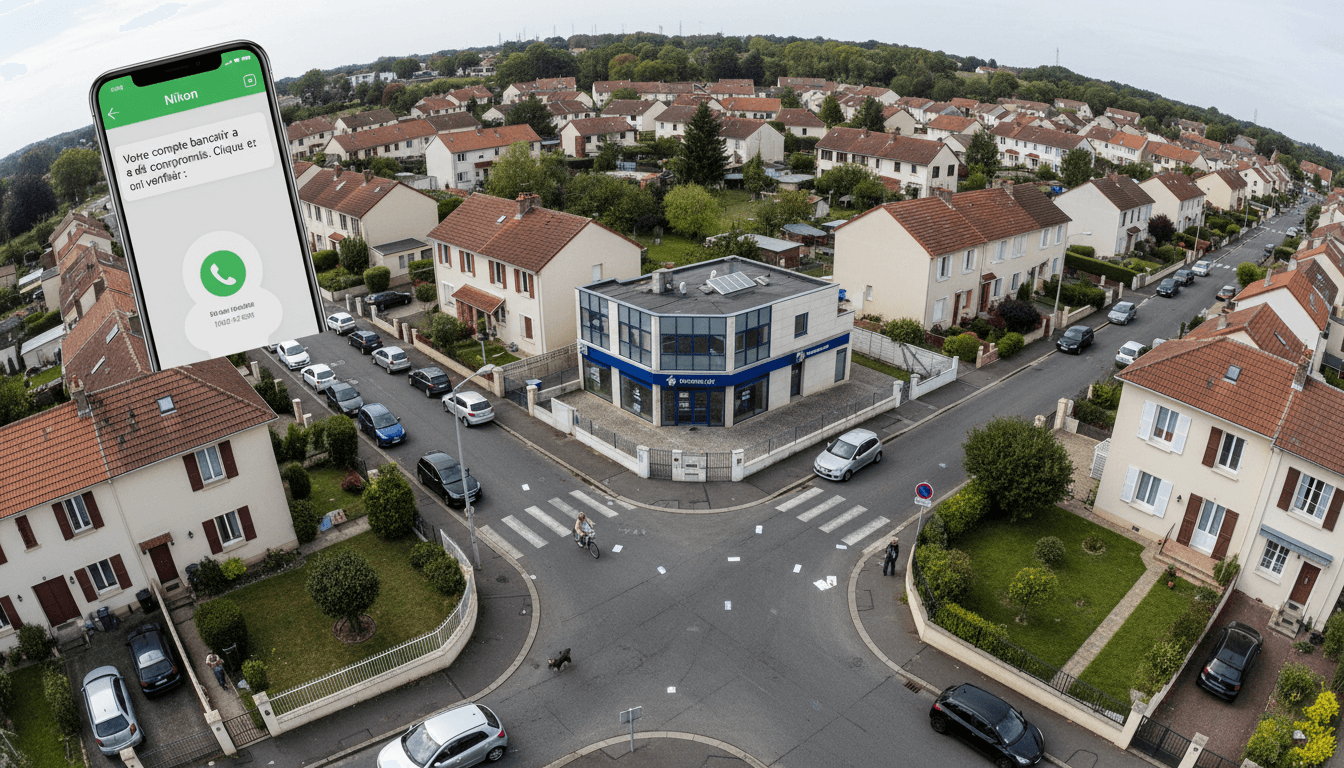
BREAKING NEWS – A French court on Monday, May 11, 2026, sentenced Mounir Outachfine, known by the alias “Padrino,” to six years in prison in absentia for orchestrating a sophisticated fake bank adviser scam that defrauded approximately 100 victims of over €740,000. The ruling marks a significant development in a year-long investigation into a scheme that preyed on unsuspecting individuals, many of them elderly retirees, across France.
The charges against Mounir Outachfine stem from his leadership of a criminal enterprise that operated between April 2022 and April 2023. The scheme was characterized by its well-rehearsed and deceptive modus operandi. Victims would first receive a text message, falsely alerting them to an alleged fraudulent purchase on their bank card and prompting them to call a specific phone number, often a French landline prefix “01.”
The Charges Against Mounir Outachfine
Upon calling, victims were connected to a fake fraud officer who employed manipulative tactics, keeping them on the line for extended periods, sometimes several hours. During these calls, the imposters would persuade victims to cut their bank card in half and, critically, divulge their Personal Identification Number (PIN). Following this breach of security, a fake courier would be dispatched to the victim’s home to collect the compromised card. This card was then swiftly handed to a “buyer” who would proceed to drain the accounts through ATM withdrawals and purchases at major retailers, often executing these transactions outside of standard banking hours to prevent victims from contacting their real bank advisers.
The scale of the crime is staggering. The scam swindled approximately 100 victims out of a total of more than €740,000. The financial and emotional toll on these individuals, particularly the elderly, has been profound. One named victim, Joelle Dudal, a retiree, reportedly lost €4,100 to the elaborate fraud.
While specific details about Mounir Outachfine’s age or legitimate profession remain undisclosed, he is identified as a French national believed to have orchestrated the elaborate scam from Morocco. His nickname, “Padrino,” Italian for “godfather,” underscores his perceived leadership role within the criminal network.
“This case highlights the relentless ingenuity of fraudsters and the critical need for individuals to remain vigilant against unsolicited financial communications.”
The investigation that led to Outachfine’s conviction, though not explicitly naming all involved agencies, was spearheaded by French law enforcement and judicial authorities. The fraud was meticulously uncovered through a comprehensive probe that culminated in the May 6, 2026, court date. Outachfine was found guilty of leading the fake bank adviser scam and, in addition to his six-year prison sentence, was fined €100,000. An immediate arrest warrant has been issued for him, as he was sentenced in absentia. Eight other individuals implicated in the scheme were also convicted, receiving sentences ranging from six months to four years, with most of these sentences suspended.
As the legal process continues and authorities work to apprehend Mounir Outachfine, this case serves as a stark reminder of the persistent threat of financial fraud. There is no information available regarding asset freezes at this time, though such measures are common in large-scale fraud cases.
Protecting yourself from such sophisticated scams requires constant vigilance. Several red flags should immediately raise suspicion: unsolicited text messages or calls about alleged fraudulent purchases, especially those urging you to call a generic number; any request to cut your bank card or provide your PIN over the phone or to a courier; and any instance where a bank claims to send a courier to collect your card. Legitimate banks will never ask for your PIN over the phone or send a courier to retrieve your card. Be wary of pressure tactics, long phone calls designed to manipulate, and operations conducted outside of normal banking hours. Always verify suspicious communications directly with your bank using a trusted contact number, not one provided in a suspicious message or call. For more information on related fraud investigations, visit our dedicated section.
The conviction of Mounir Outachfine underscores the ongoing battle against financial crime. Readers are urged to remain hyper-aware of unsolicited communications regarding their finances and to always err on the side of caution when asked for sensitive banking information.