The financial world has been shaken by the ongoing investigation into an individual using the name Marc Friedrich without authorization, who is at the heart of a sophisticated identity theft and unauthorized financial operations scheme. While specific figures for stolen funds remain under wraps, a single victim’s loss of over €10,000 in Bitcoin underscores the significant financial damage inflicted by this fraudulent enterprise, currently under investigation by the German Federal Financial Supervisory Authority (BaFin).
Who Is Marc Friedrich?
The individual targeted by this investigation is not the well-known German author and financial expert, nor the Swiss drummer and music teacher, both legitimately named Marc Friedrich. Instead, the perpetrator has stolen the identity, specifically leveraging the public persona and portrait photos of the financial expert Marc Friedrich, born in 1975, to lend an air of legitimacy to their illicit activities. This impersonation created a deceptive facade, leading potential investors to believe they were engaging with a trusted and recognized figure in the financial sector. BaFin has explicitly clarified that the legitimate financial expert is a victim in this case, having no business ties to the fraudulent operation.
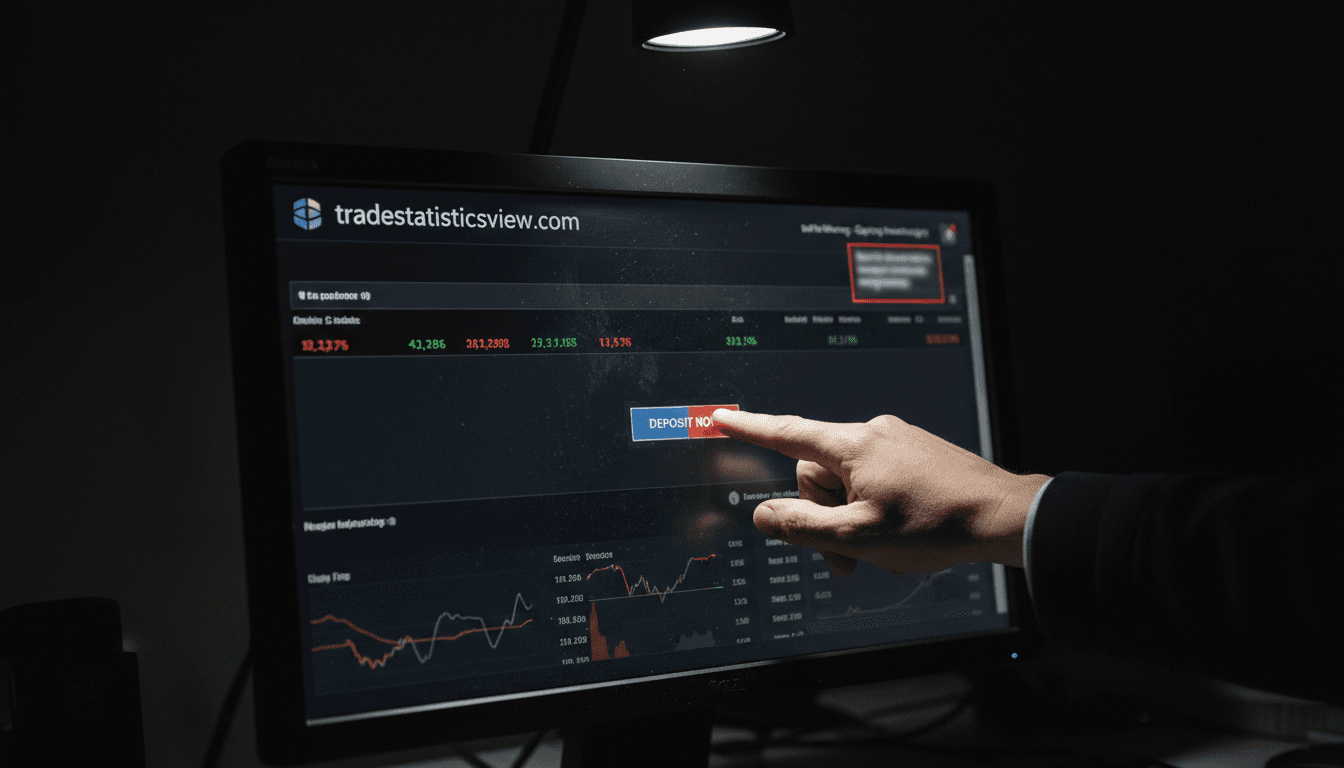
The scheme, primarily operating through the website tradestatisticsview.com, involved employees of the site introducing themselves as Marc Friedrich and illicitly copying his imagery. This elaborate ruse was designed to ensnare unsuspecting investors, often lured through Telegram groups associated with the stolen identity. Victims were persuaded to make initial deposits, frequently under the false promise of rapid investment doubling. Once these initial funds were secured, more experienced operators within the scheme would then attempt to extract further, larger sums, deepening the financial devastation for their targets. The website itself operated without the requisite financial authorizations and falsely claimed a London base, further cementing its fraudulent nature. Intriguingly, the site occasionally identified its operator as “Bitcer” and linked to a dissolved British company, “Bitcer Limited,” suggesting a potential evolution of the scheme or the recycling of defunct corporate identities to appear credible.
“The unauthorized use of a public figure’s identity, especially in the financial sector, is a particularly insidious form of fraud designed to exploit trust and bypass critical due diligence.”
While the full scale of the financial damage remains unquantified, the BaFin investigation highlights the inherent risks of such unauthorized operations. One reported instance involved a victim transferring more than €10,000 in Bitcoin to a wallet controlled by the fraudsters. This specific loss, coupled with BaFin’s broader findings that 74.2% of retail investors in high-risk turbo certificates lost over €3.4 billion between 2019 and 2023, underscores the significant financial peril posed by these illicit schemes. The lack of detailed public figures for tradestatisticsview.com specifically should not diminish the potential for substantial collective losses.
The investigation into this fraudulent operation is spearheaded by the German Federal Financial Supervisory Authority (BaFin), the nation’s financial watchdog. BaFin became aware of tradestatisticsview.com operating without the necessary authorizations and its false claims of a London base. The discovery of employees using the stolen identity and images of the legitimate Marc Friedrich was a critical turning point. BaFin has been proactive, issuing warnings about tradestatisticsview.com in November 2023 and again in February 2024, signaling the ongoing nature of their efforts to protect consumers. Collaborating with the Federal Criminal Police Office (Bundeskriminalamt) and regional law enforcement, BaFin continues to advise extreme caution for online investors. As of the latest information, the individual(s) behind tradestatisticsview.com are under investigation for identity theft and unauthorized financial operations; specific charges, trial dates, or asset freezes have not been publicly disclosed.
The primary victims of this elaborate fraud are individuals who were duped into investing their hard-earned money through the unauthorized platform. The legitimate financial expert, Marc Friedrich, is also a significant victim of identity theft, as his professional reputation and public image were weaponized to perpetuate the scam. These schemes prey on individuals seeking online investment opportunities, often through deceptive promises of high returns that rarely materialize. Related fraud investigations consistently show a pattern of targeting vulnerable or financially ambitious individuals.
This case presents numerous red flags that, in hindsight, could have prevented financial losses. The most glaring was tradestatisticsview.com’s operation without explicit authorization from financial regulatory bodies like BaFin. Any legitimate entity offering financial services in Germany must possess such authorization. The website’s false claim of a London base, coupled with its failure to provide clear legal information or a stated legal form, were significant warning signs. The unauthorized use of a well-known public figure’s name and image should immediately raise suspicion, as should promises of unrealistic returns. Furthermore, the association with a dissolved company (Bitcer Limited) and the use of unsolicited contact through social media groups like Telegram are hallmark tactics of online investment scams. Investors must exercise extreme vigilance and conduct thorough due diligence before committing any funds.
To protect yourself from similar schemes, always verify the regulatory status of any financial service provider through official channels like BaFin’s website. Be wary of unsolicited investment offers, especially those promising guaranteed high returns, and meticulously check for inconsistencies in company details, physical addresses, and contact information. Legitimate financial institutions will always have transparent legal disclosures and proper authorization.