World Cup transportation fares are igniting a major financial dispute, with the 2026 FIFA World Cup, co-hosted by the U.S., Canada, and Mexico, facing significant controversy over public transportation costs, particularly in the New York/New Jersey metropolitan area. Slated for June 11 to July 19, this global spectacle is seeing unprecedented price hikes that have drawn criticism from fans and politicians alike.
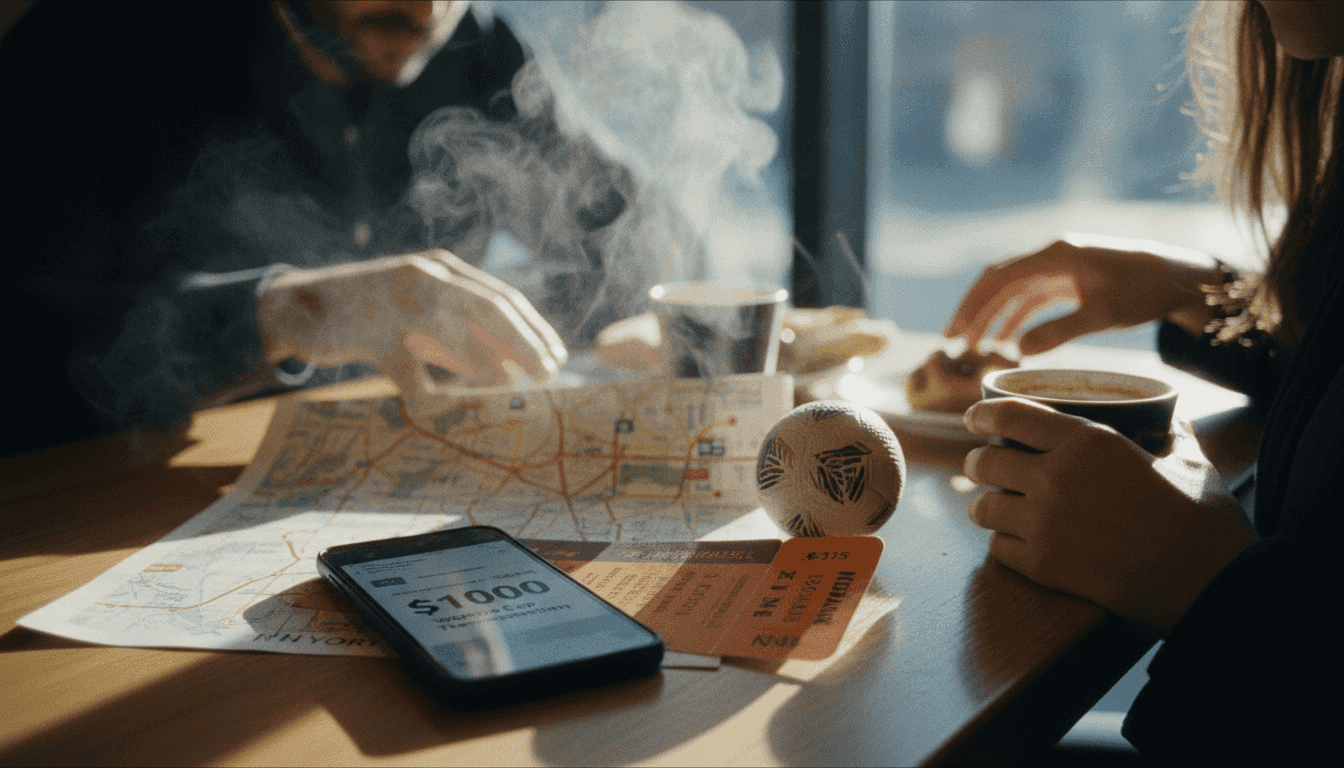
The core of the issue lies in the dramatically increased train and bus fares, primarily affecting fans traveling to MetLife Stadium in East Rutherford, New Jersey. A round-trip train ticket from Manhattan’s Penn Station to the stadium, a mere 15-minute, 9-mile journey, is set to cost $150 for World Cup matches. This represents a nearly 12-fold increase from the regular $12.90 fare, sparking outrage among supporters.
Officials Defend Escalating World Cup Transportation Fares
New Jersey officials, including NJ Transit President and CEO Kris Kolluri and Governor Mikie Sherrill, have staunchly defended these escalating fares. They assert that the increases are essential to recoup an estimated $62 million in costs for transporting fans and ensuring heightened security during the tournament. Their argument hinges on the claim that FIFA has not contributed to these significant transportation expenses.
Conversely, New York Governor Kathy Hochul and Senate Minority Leader Chuck Schumer have decried the price hikes as “exorbitant,” urging FIFA to step in and cover the costs. This political divide highlights the financial burden being placed on attendees.
“The idea that fans should bear the brunt of these massive security and transportation costs without FIFA’s contribution is simply unacceptable,” stated a representative for a prominent fan group.
FIFA, for its part, has rejected accusations of profiteering, stating it operates as a not-for-profit organization that reinvests revenues into global football development. The organization also expressed surprise at New Jersey’s approach, noting that original host city agreements stipulated free transportation for fans, a clause later renegotiated to “at cost” on match days.
Fan Outcry and Alternative City Approaches
Soccer fans, including groups like “Free Lions” for England supporters, have voiced widespread outrage over what they perceive as blatant “price gouging.” Beyond train fares, bus rides to MetLife Stadium are projected to cost around $80, and parking at nearby American Dream Mall is being sold for an astonishing $225 per space. Compounding the problem, walking to MetLife Stadium is prohibited due to safety concerns, as the venue is surrounded by highways.
Boston is also implementing significant price increases, with express train tickets to Gillette Stadium rising from $20 to $80 (a 300% surge) and express buses costing $95. These figures stand in stark contrast to other host cities. Houston, for example, plans to maintain current public transportation fares ($1.25 for buses and light rail) and offer affordable park-and-ride options. Kansas City intends to provide free shuttles from the airport to downtown hotels and $15 bus shuttles to the stadium.
NJ Transit plans to sell 40,000 round-trip tickets for each game, going on sale in May exclusively through their app. These tickets will include mandatory wristbands for boarding, adding another layer of control and cost.
The Financial Standard’s Take on 2026 World Cup Logistics
The 2026 FIFA World Cup, set to culminate with the final at MetLife Stadium on July 19, presents a complex logistical and financial challenge. The dispute over related Finance news and transportation costs underscores a broader debate about who should bear the financial burden of mega-events. While host cities grapple with security and infrastructure demands, the onus on fans through exorbitant fares raises questions about accessibility and the spirit of the ‘beautiful game.’ The stark difference in approaches between host cities highlights a lack of unified strategy, ultimately impacting the fan experience and potentially deterring attendance for those on a budget.