
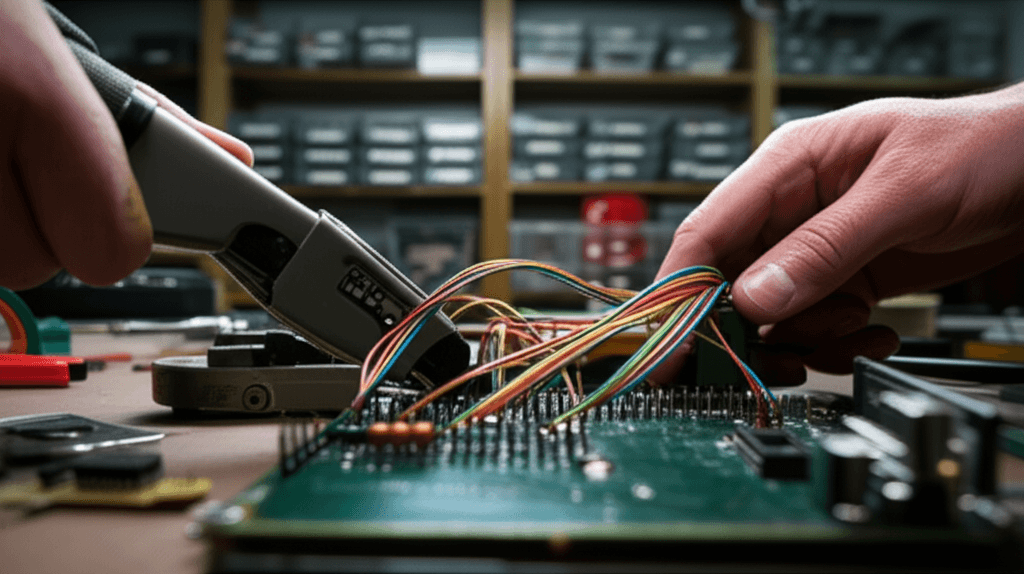
Wire wrap technology, an alternative to soldering, has a surprisingly enduring appeal in electronics production. Before the widespread use of PCBs, wiring electronic circuits presented a significant challenge. Skilled workers painstakingly crafted connections between terminal strips and components using soldering irons, a process that was both labor-intensive and expensive. One popular solution was wire wrapping, as demonstrated by Sawdust & Circuits in their video showcasing an old-fashioned wire wrap gun.
The core concept involves using a spinning tool to tightly wrap solid wire around square pins, creating a secure and reliable connection. This method offered several advantages over soldering, requiring less skill, eliminating the need for heat, and allowing for easy unwrapping with a specialized tool if changes were needed. Initially employed in wiring telephone switchboards, the tech quickly found applications across various industries. related Industries news.
The Versatility of Wire Wrap Tools
Wire wrap tools came in diverse forms, ranging from electric guns to mechanical handle-operated devices and even pencil-like tools that were manually rotated. Pin lengths could be specified to accommodate multiple wire wrap connections. For example, a three-level pin could support three separate connections. Automated machines were also developed for mass-producing wire-wrapped circuits.
The wire used in wire wrapping often featured thin insulation, and tools typically incorporated a slot to strip this insulation during the wrapping process. Some guns created a “modified wrap,” leaving a small amount of insulation at the top to reduce stress on the wire. Even today, with the right tools, wires, and sockets, wire wrapping remains a viable option for creating circuits.
Understanding Wire Wrap Technology
The square shape of the post creates a gas-tight connection. As one commenter noted, the post being square “produces a small air tight nick in the wire at each corner and each wrap. When done correctly, it is very low resistance and, being air tight in the nick, not prone to oxidation.”
The Economics of Wire Wrap Technology
One commenter on the original article noted that “With the current copper prices it’s a bad time to turn to wire wrapping.” The commenter goes on to speculate about the viability of using copper clad aluminum (CCA) wire and the challenges of soldering it.
“Wire wrap technology offers a robust and reliable alternative to soldering, particularly in applications where flexibility and ease of modification are paramount.”
Is Wire Wrap Technology Still Relevant?
While PCBs have largely replaced wire wrapping in mass production, it still holds value in prototyping, custom projects, and situations where modifications are frequent. Its simplicity and reliability make it a useful skill for electronics enthusiasts and engineers alike. If you want to know more about wire wrapping, ask Bil Herd.
Source: Hackaday


