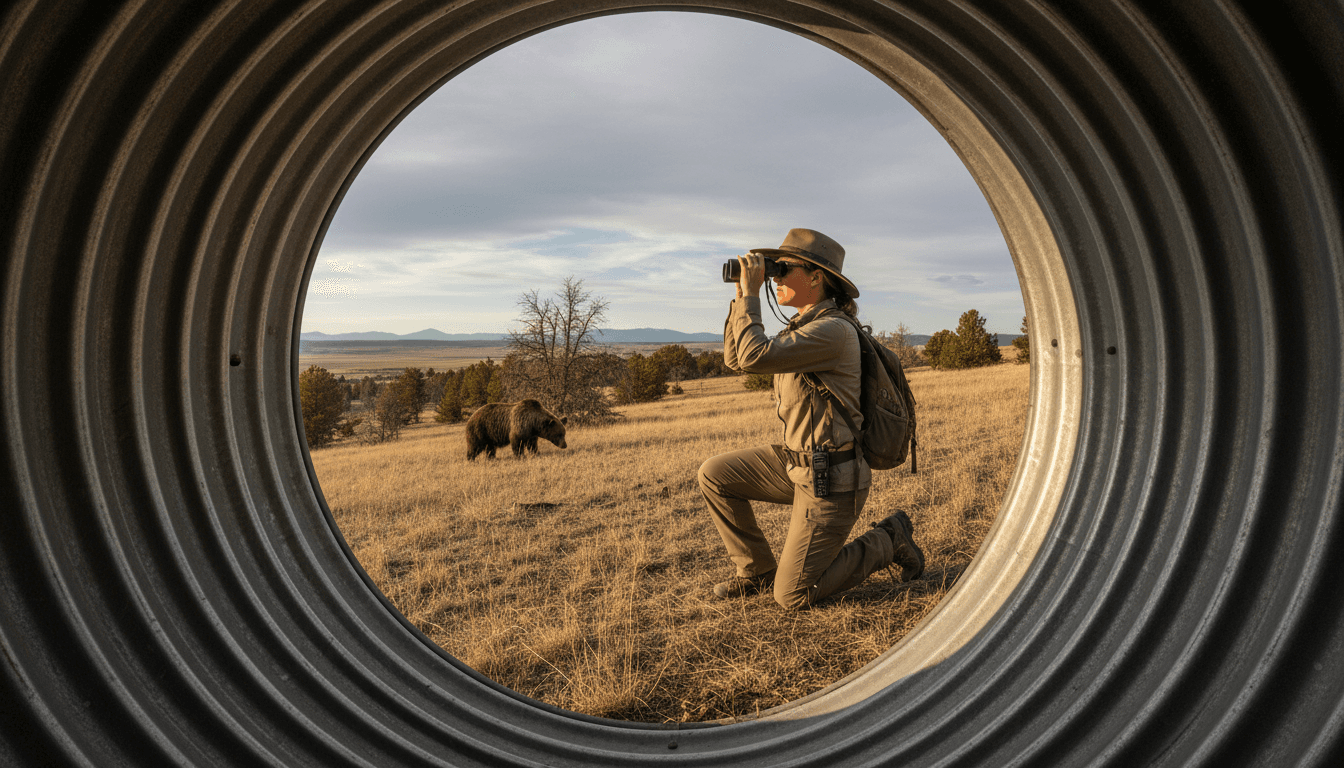
Wildlife first responder roles are rapidly emerging as human populations expand into previously wild habitats, creating unprecedented challenges for conservation and public safety. Grizzly bears, for instance, have made such a comeback across eastern Montana that in 2017, the state hired its first-ever prairie-based grizzly manager: wildlife biologist Wesley Sarmento. For some seven years, Sarmento worked tirelessly to keep both the bears, which are still listed as threatened under the Endangered Species Act, and the humans, who are sprawling into once-wild territories, safe and coexisting.
The Evolving Landscape of Conservation Careers
The traditional boundaries of wildlife management are shifting, demanding a new breed of professionals capable of navigating complex human-wildlife interactions. As species recover and human development continues, areas once considered remote are becoming front lines for conservation efforts. This necessitates individuals with not only ecological expertise but also strong communication, conflict resolution, and community engagement skills. The work often involves educating residents, implementing preventative measures, and responding to incidents, blurring the lines between scientist, educator, and crisis manager.
“The future of wildlife conservation hinges on our ability to adapt to cohabitation, not just preservation in isolation.”
Wildlife First Responder Roles: Bridging the Divide
The critical need for specialists like Sarmento underscores a growing trend in the environmental sector. These professionals act as vital intermediaries, mitigating potential conflicts arising from increased proximity between humans and wildlife. Their responsibilities can range from tracking animal movements and deploying deterrents to educating communities on safe practices and responding to emergency situations. This proactive and reactive approach is essential for preventing both harm to animals and threats to human safety, particularly for species like grizzly bears that require significant space.
The expansion of related Industries news into untouched regions means that demand for these specialized roles will only intensify. Governments, non-profits, and even private landholders are increasingly recognizing the economic and ecological value of effective human-wildlife coexistence strategies. Investment in training and technology for these front-line workers is becoming paramount.
Adapting to New Ecological Realities
As climate change further alters habitats and species ranges, the complexity of managing human-wildlife interfaces will only increase. This will drive further innovation in the field, creating a robust job market for those equipped to handle these dynamic challenges. The rise of wildlife first responder roles represents a fundamental shift in how we approach environmental stewardship, moving towards active, on-the-ground management of shared landscapes.
The critical takeaway is that the growth of human populations and the recovery of previously endangered species necessitate a new professional paradigm. These specialized roles are not merely about protecting animals; they are about fostering sustainable coexistence and ensuring the long-term health of both ecosystems and communities.