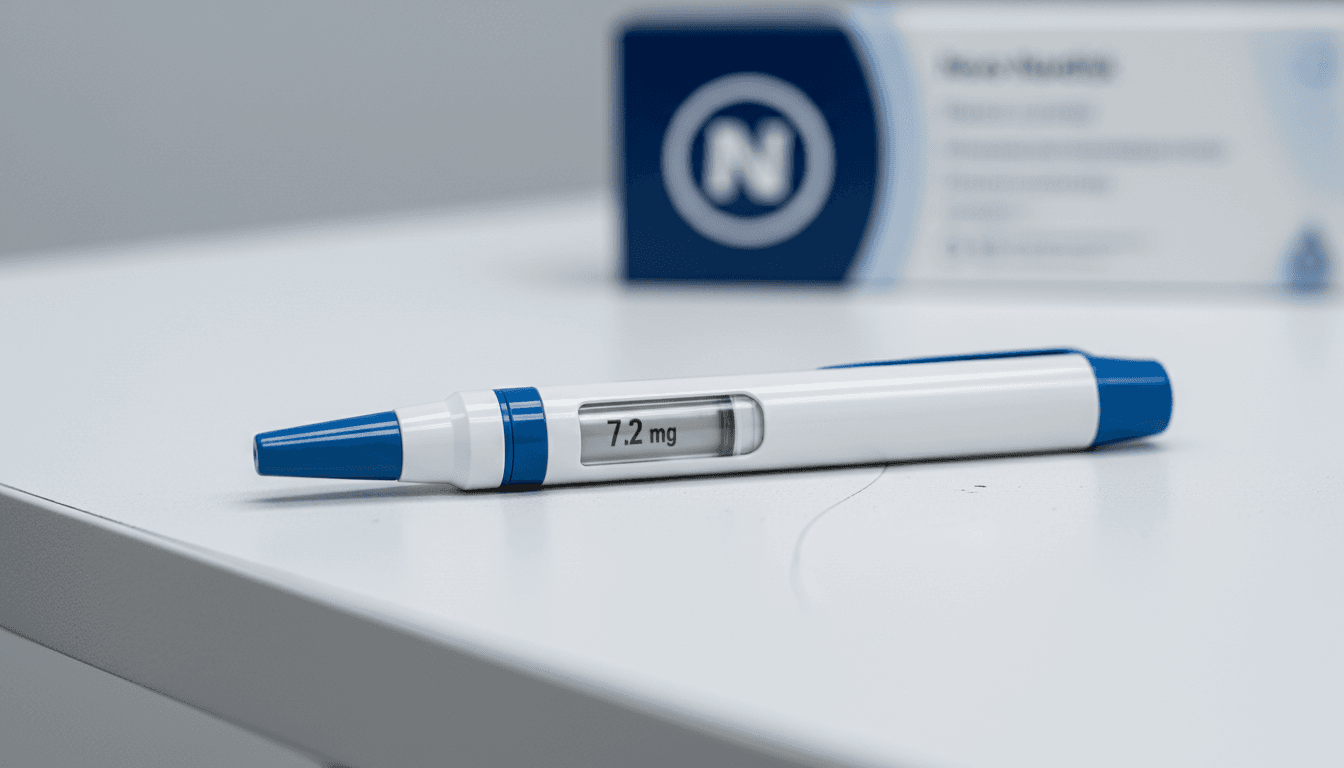
Wegovy HD weight loss, a new higher dose of Novo Nordisk’s injectable semaglutide (7.2 mg), has received U.S. Food and Drug Administration (FDA) approval on March 19, 2026, for chronic weight management in adults grappling with obesity. This significant regulatory milestone follows earlier authorizations in the UK in January 2026 and by the European Commission on February 17, 2026. Marketed as Wegovy HD, this potent 7.2 mg dose is specifically designed for adults who have successfully tolerated the 2.4 mg dosage for at least four weeks and require further, more pronounced weight reduction.
Unpacking the STEP UP Trial Results
The foundation of this groundbreaking approval lies in the comprehensive 72-week, Phase 3b STEP UP clinical trial program. This pivotal study enrolled 1,407 adults with a Body Mass Index (BMI) of 30 kg/m² or greater, crucially excluding individuals with diabetes. Participants were meticulously randomized to receive once-weekly subcutaneous injections of semaglutide 7.2 mg, 2.4 mg, or a placebo. All groups also engaged in structured lifestyle intervention, underscoring the holistic approach to weight management.
“Patients receiving Wegovy HD achieved an average body weight reduction of approximately 21% over 72 weeks, assuming all patients stayed on treatment.”
The key findings from the STEP UP trial unequivocally demonstrated superior weight loss with the 7.2 mg dose. Patients on Wegovy HD experienced an average body weight reduction of approximately 21% over 72 weeks, a stark contrast to the 16.9% average weight loss observed with the 2.4 mg dose and a modest 2-4% with placebo. Remarkably, about one in three participants (33%) taking Wegovy HD achieved an impressive 25% or greater weight loss. Furthermore, 89% of those on Wegovy HD achieved at least 5% body weight loss, significantly outperforming the 38% in the placebo group. The average baseline body weight for participants in the 7.2 mg and placebo groups was 248 lbs, highlighting the substantial impact of the new dosage.
Safety Profile and Market Implications for Wegovy HD Weight Loss
The safety and tolerability profile of Wegovy HD was largely consistent with prior observations for semaglutide. The most common side effects reported were gastrointestinal issues, including nausea, vomiting, diarrhea, and constipation, primarily manifesting during the initial dose escalation phase. However, a notable difference was the higher incidence of dysesthesia (altered skin sensation) with Wegovy HD, reported in 22% of users, compared to 6% with Wegovy 2.4 mg and 0.3% with placebo.
Novo Nordisk is poised to launch Wegovy HD weight loss in the U.S. in April, making it accessible through a diverse array of channels, including traditional pharmacies, innovative telehealth providers, and the dedicated NovoCare® Pharmacy. The FDA’s expedited review of this higher dose, facilitated by the Commissioner’s National Priority Voucher (CNPV) pilot program, underscores its perceived importance. This approval not only strengthens Novo Nordisk’s already robust GLP-1 portfolio but also intensifies its competitive stance against other prominent weight-loss medications, such as Eli Lilly’s GLP-1 injection, Zepbound (tirzepatide). The expansion of options for chronic weight management, especially with such significant efficacy, signals a dynamic shift in the market and offers new hope for adults struggling with obesity. For more insights into market movements, explore our related Finance news.
The Future of Obesity Treatment
The approval of Wegovy HD weight loss marks a pivotal moment in the fight against obesity. With its demonstrated ability to achieve an average 21% body weight reduction, it offers a powerful new tool for healthcare providers and patients. As Novo Nordisk prepares for its April launch, the financial implications for the pharmaceutical giant are substantial, and the competitive landscape for weight management drugs is set to become even more intense. This development underscores the ongoing innovation in medical science aimed at addressing one of the most pressing public health challenges globally, promising enhanced efficacy and broader access to transformative treatments.