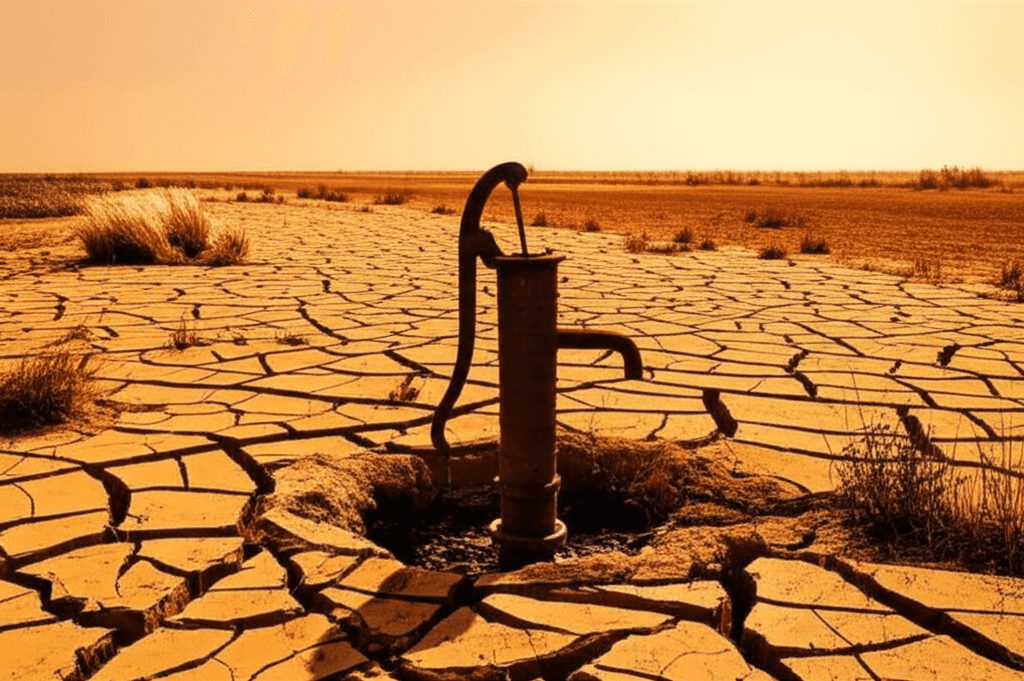
Water scarcity risk is rapidly escalating globally, demanding immediate attention from investors and policymakers alike. A new report highlights the converging threats of climate change, aging infrastructure, and geopolitical instability, all contributing to a looming crisis in access to potable water. The implications for financial markets are profound, ranging from increased operational costs for water-intensive industries to potential social unrest and disrupted supply chains.
The Growing Threat of Global Water Stress
The warnings are stark. As highlighted by Unherd, “The water wars are coming. This finite resource will define the century.” The convergence of factors – including increased demand, climate-related droughts, and pollution – is creating unprecedented stress on water resources worldwide. Companies reliant on stable water supplies, such as agriculture, manufacturing, and energy production, face significant operational and financial risks. Investors need to assess the resilience of their portfolios to these emerging challenges.
COVID-19 Lingers, Measles Resurges
Beyond the looming water scarcity risk, other critical issues demand our attention. The COVID-19 pandemic, while seemingly less acute than in previous years, continues to evolve, with studies suggesting it may be “a vascular disease masquerading as a respiratory one.” Public health officials emphasize the importance of vaccination and preventative measures to mitigate the long-term health consequences of repeat infections. Simultaneously, the resurgence of measles, as noted by Dr. Annie Andrews on X, underscores the need for robust public health infrastructure and widespread immunization programs.
“Covid is airborne. Vax and relax failed. Repeat covid infections cause cumulative harm. That’s why Olympic coaches and athletes are wearing masks.”
Renewable Energy and Aging Infrastructure
The transition to renewable energy, while crucial for addressing climate change, also presents challenges. A recent study highlighted by the South China Morning Post warns that “US transformers are ageing. Renewable energy could make things worse.” The intermittent nature of renewable sources can place additional strain on existing electrical grids, potentially leading to equipment failures and power outages. Investment in modernizing grid infrastructure is essential to ensure a reliable and sustainable energy future. The interplay between water scarcity risk and energy production is also important, as water is required for many energy generation processes.
Climate Change Accelerates, CO2 Levels Soar
The latest data on atmospheric CO2 levels paint a worrying picture. As Professor Eliot Jacobson pointed out on X, the “3-year running average for the mean rate of atmospheric CO2 growth broke 8.00 ppm per 3 years, reaching a new record high growth rate of 8.06 ppm per 3 years.” This alarming trend underscores the urgency of accelerating efforts to reduce greenhouse gas emissions and mitigate the impacts of climate change. The financial sector has a critical role to play in directing capital towards sustainable investments and promoting responsible corporate practices. Monitoring the water scarcity risk is just one facet of understanding the broader climate crisis.
The challenges ahead are significant, but by addressing these issues proactively and strategically, we can build a more resilient and sustainable future. Stay informed with related Finance news.
Source: Naked Capitalism