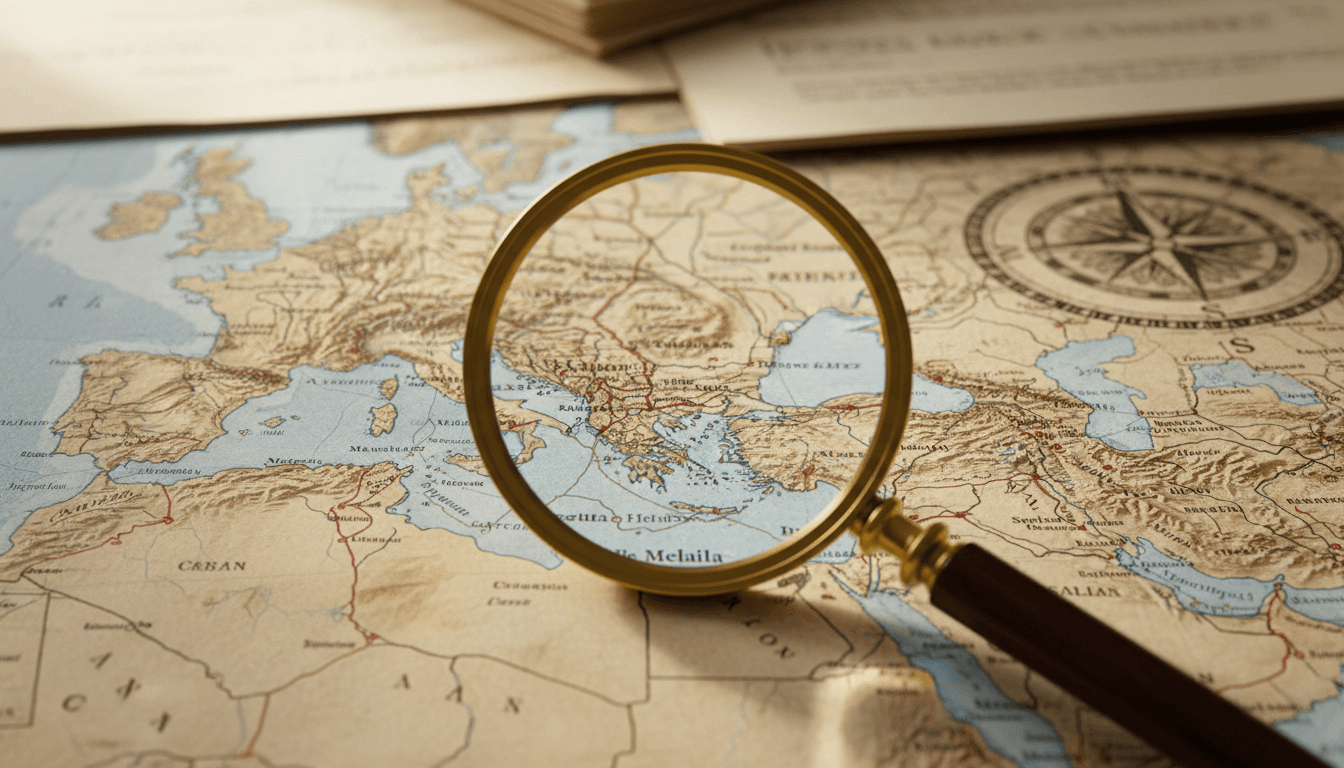
US & Israel fuel Morocco’s claims on Spanish enclaves Ceuta and Melilla, escalating geopolitical tensions following Spain’s stance on the US-Israel war against Iran. The Spanish government, under Pedro Sánchez, has notably refused to allow US forces access to its military bases for operations in the Iran conflict and has been a vocal critic of Israel’s actions in Gaza and southern Lebanon. This non-cooperation has apparently triggered a series of threats from the Trump administration, ranging from economic sanctions to the withdrawal of US troops from Spanish soil.
While direct trade cuts or troop withdrawals have not yet materialised, a more insidious form of pressure appears to be emerging. The US and Israel are increasingly seen to be fomenting instability on Spain’s southern flank through Morocco. This strategy, previously flagged by analysts, involves leveraging Morocco’s long-standing territorial claims over Ceuta and Melilla – two Spanish semi-autonomous cities located on Morocco’s northern coast.
Mounting Pressure on Spain’s Southern Border
The strategic importance of Ceuta and Melilla, often compared to Gibraltar, lies in their location on the Strait of Gibraltar, serving as vital military and trade enclaves linking Africa and Europe. These cities have been Spanish territories since the 17th and 15th centuries, respectively, predating Morocco’s independence in 1956. Spain maintains its sovereignty, arguing that its rule over these territories precedes even some regions of mainland Spain. However, Morocco views them as remnants of colonialism.
Influential figures within the US political landscape, such as former Pentagon adviser Michael Rubin and Republican Congressman Mario Díaz-Balart, have openly discussed the possibility of the US supporting Morocco’s claims. Rubin has even suggested Morocco launch a ‘civil march’ on Ceuta and Melilla, reminiscent of the 1975 event that led to Spain’s withdrawal from Western Sahara. Díaz-Balart, chair of the US House of Representative’s subcommittee on Homeland Security, has taken this discussion to the floor of the US Congress.
“The Committee notes that the Spanish-administered cities of Ceuta and Melilla are located on Moroccan territory and are the subject of Morocco’s long-standing claim. The Committee supports efforts by the Secretary of State to encourage diplomatic engagement between Morocco and Spain on the future status of Ceuta and Melilla.”
This unprecedented move, appearing in an explanatory memorandum accompanying House Bill 8595, marks the first time a US congressional body has questioned the Spanishness of these two autonomous cities. This development signals a significant shift in US foreign policy, potentially using Morocco as a geopolitical tool against Spain’s dissenting stance on the Iran conflict and Israel’s actions.
Geopolitical Chessboard: Morocco’s Role
Morocco’s close alliance with the US and Israel, solidified by its recognition of Israel in 2020 as part of the Abraham Accords (in exchange for US support for its Western Sahara claims), positions it as a key player in this unfolding geopolitical drama. The current US administration seems to view Morocco as a viable alternative for military bases, should Spain continue its ‘no to war’ policy. The prospect of the US & Israel fuel Morocco’s claims is a direct consequence of Spain’s independent foreign policy.
The economic vulnerability of Ceuta and Melilla, which have the lowest GDP per capita and highest unemployment rates in Spain, makes them particularly susceptible to external pressures. This creates an opening for Morocco to press its claims, potentially with tacit or explicit backing from the US and Israel. This situation could destabilise the region and force Spain into a difficult diplomatic corner.
Spain’s Diplomatic Tightrope Walk
Spain now finds itself navigating a complex diplomatic landscape. Its principled stand against the US-Israel war in Iran and its criticism of actions in Gaza and southern Lebanon have come at a cost, with the potential weaponisation of Morocco’s territorial claims. The implications for Spain’s sovereignty and regional stability are profound. As the US & Israel fuel Morocco’s claims, Spain must strategise to protect its territories while maintaining its foreign policy independence. This developing situation highlights the intricate interplay of international finance and geopolitics, underscoring how economic and military alliances can be leveraged to exert pressure on sovereign nations. For more insights into global financial shifts, explore our related Finance news.
The current trajectory suggests that the US and Israel are indeed prepared to escalate tensions on Spain’s southern border, using Morocco’s territorial ambitions as a strategic lever. This move could have significant long-term implications for Spain’s territorial integrity and its role in European and North African security. The international community will be watching closely to see how Spain responds to this unprecedented challenge.