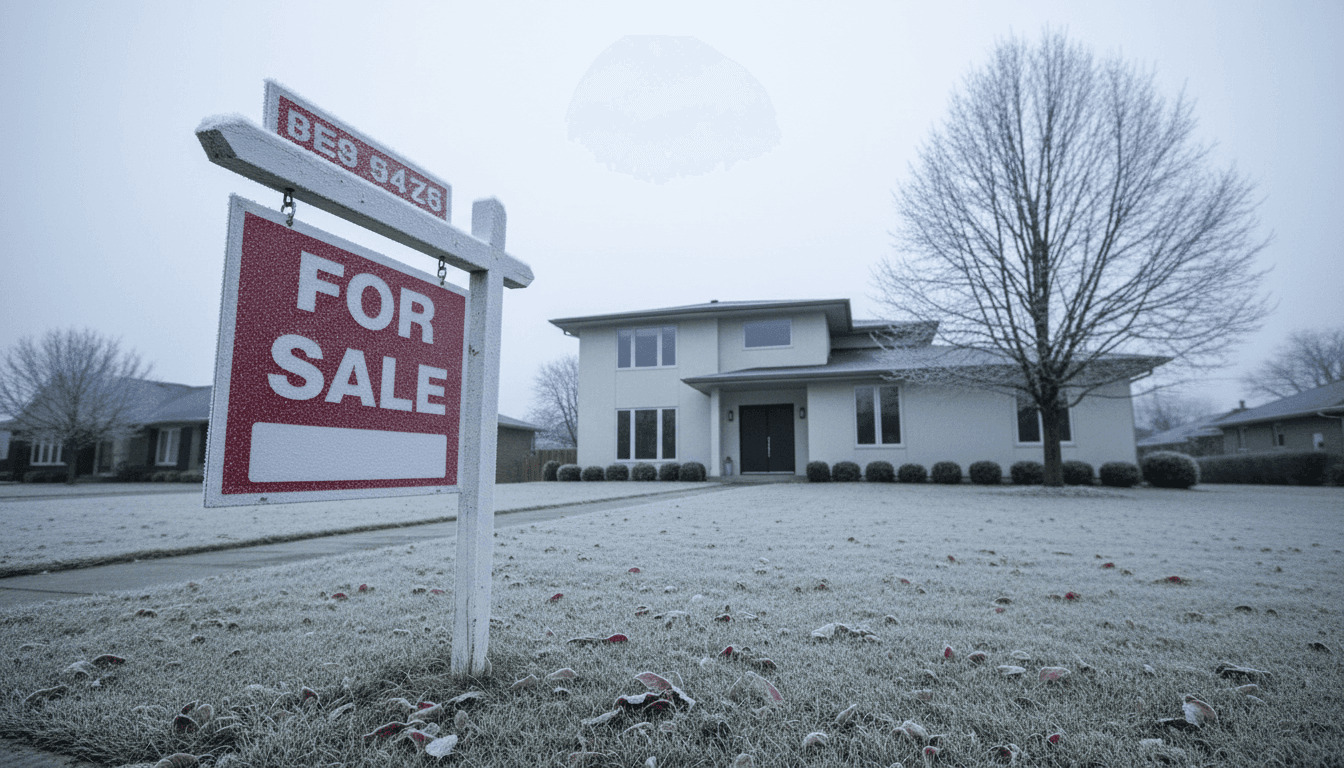
The US housing market deepfreeze deepened in March 2026, marking a “lousy beginning of spring selling season” with significant declines in both single-family home and condominium sales, even as housing supply reached a 10-year high. This downturn occurred despite only modest increases in mortgage rates, painting a challenging picture for prospective buyers and sellers alike.
Sales of existing single-family homes experienced a 3.5% month-over-month decrease, settling at a seasonally adjusted annual rate of 3.63 million. This figure represents the lowest sales rate observed since June 2025 and September 2024, and a marginal 0.3% drop compared to March 2025. The condominium and co-op segment fared even worse, with sales plunging by 5.4% month-over-month to an annual rate of 350,000, down 7.9% from the previous year. Overall, existing-home sales across all housing types fell by 3.6% month-over-month to 3.98 million, hitting a nine-month low and a 1.0% decrease year-over-year.
The US Housing Market Deepfreeze and Inventory Surge
Despite the significant drop in sales volume, median home prices continued their upward trajectory. The national median sales price for existing homes rose by 1.4% from a year ago to $408,800 in March 2026, marking the 33rd consecutive month of year-over-year price increases and an all-time high for March. Single-family homes saw their median price reach $412,400, up 1.3% from last year, while condominiums and co-ops recorded a median price of $371,500, a 2.3% increase from March 2025. This persistent price growth, even amidst slumping sales, highlights a complex interplay of demand and supply dynamics.
“The sluggish sales figures in March 2026 indicate a challenging start to the spring selling season, attributed to lower consumer confidence and softer job growth,” noted Dr. Lawrence Yun, Chief Economist for the National Association of REALTORS® (NAR).
Total housing inventory in March 2026 reached 1.36 million units, a 3.0% increase from February and a 2.3% rise from March 2025. This translates to a 4.1-month supply of unsold inventory, up from 3.8 months in February and 4.0 months a year ago. Notably, the supply of single-family homes specifically jumped to 4.1 months, the highest for March since 2015. While a balanced market typically has a 4.5 to 6 months’ supply, this increasing inventory suggests a shift in market conditions.
Mortgage Rates and Buyer Behavior
Mortgage rates played a significant role in influencing buyer activity. The average rate on a 30-year fixed-rate mortgage increased in March 2026, reaching approximately 6.45% APR by month-end, up from around 6.30% earlier in the month. By April 9, 2026, the rate stood at 6.37%. This upward trend in borrowing costs has undoubtedly contributed to the decreased affordability and hesitation among potential homebuyers, further solidifying the US housing market deepfreeze.
The time homes spent on the market saw a median of 41 days in March, an improvement from 47 days in February but still longer than the 36 days recorded in March 2025. First-time buyers accounted for 32% of sales, a slight dip from 34% in February, while all-cash sales made up 27% of transactions, down from 31% in February but up from 26% a year ago. These figures underscore a cautious market where buyers are taking longer to commit and a significant portion of transactions are still being made without traditional financing.
Future Outlook and ‘Lock-in Effect’
The housing market has been in a slump since 2022 when mortgage rates began their ascent. The persistent “lock-in effect” continues to exert its influence, with homeowners who secured historically low mortgage rates (below 3% and 4% from 2020-2022) remaining reluctant to sell and face significantly higher rates on a new purchase. This phenomenon continues to restrict inventory and dampen sales. Mortgage applications to purchase a home were down by 35% from the same period in 2019, reflecting the ongoing buyer reticence.
In response to the evolving market conditions, NAR has revised its 2026 housing forecast, now expecting existing-home sales to increase by a modest 4% this year. This is a significant downward revision from a previous projection of a 14% increase, primarily due to the upward trajectory of mortgage rates. The persistent US housing market deepfreeze, characterized by declining sales, rising inventory, and increasing mortgage rates, presents a complex challenge for the broader economy and individual financial planning. For more insights, explore our related Finance news.