
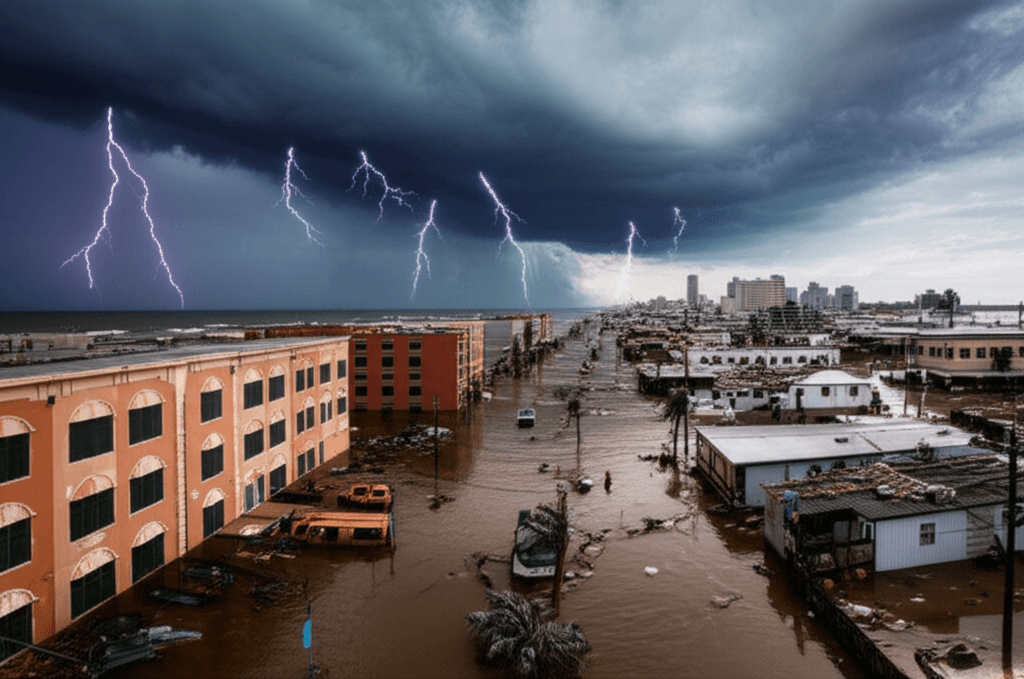
The urgent climate crisis poses a significant and accelerating threat to the global economy, demanding immediate and comprehensive action. This article, drawing on analysis from Naked Capitalism, highlights the interwoven nature of environmental degradation and financial stability. related Finance news
The Urgent Climate Crisis and Economic Instability
Reports paint a grim picture. Methane levels have reached record highs, exceeding even worst-case climate scenario projections. The Washington Post reports that scientists are realizing their understanding of global warming was incomplete, while The Guardian warns we may be closer than previously thought to a point of no return, triggering unstoppable global heating. This urgent climate crisis translates directly into economic risk, impacting supply chains, infrastructure, and overall productivity.
“We are changing the climate of our planet faster than in the known history of our world.”
The effects are already visible globally. The Yale Climate Connection notes January 2026 was one of the warmest on record despite cold snaps in the Eastern U.S. Arizona faces critical decisions regarding the Colorado River, while East Asia anticipates record-breaking February temperatures. Türkiye experiences a surge in tornado frequency, and southern right whale birth rates decline, signalling a broader ecological and economic disruption. The urgent climate crisis is not a distant threat; it’s a present reality impacting every corner of the globe.
Global Economic Headwinds Beyond Climate
Beyond the urgent climate crisis, the global economy faces numerous challenges. China’s housing market continues to decline, and its central bank is reportedly limiting commercial banks’ exposure to U.S. government bonds. Japan seized a Chinese fishing boat amid ongoing tensions. Australia grapples with drought and fires, further straining its agricultural sector. These events highlight the interconnectedness of global markets and the potential for cascading economic consequences.
Geopolitical Instability and Financial Markets
The geopolitical landscape is increasingly fraught with risk. The Munich Security Conference focused on the potential for European war. France is shifting its energy policy, reducing renewable energy targets in favor of nuclear power. Heating bills are soaring in the Baltics, and farmers are protesting in Greece. The conflict in Ukraine continues to escalate, with potential implications for global energy markets and financial stability. These factors, combined with the urgent climate crisis, create a volatile and uncertain economic outlook.
Surveillance and Imperial Collapse
Concerns about surveillance are also growing. Meta plans to add facial recognition technology to its smart glasses, raising privacy concerns. The partnership between Ring and Flock is ending amid scrutiny. Politico reports that Western countries see World War III coming, while Russia and China are strengthening their cooperation to counter U.S. influence. The potential for imperial collapse and the rise of surveillance states further complicate the global economic picture. The urgent climate crisis adds another layer of complexity to these existing challenges.
Source: Naked Capitalism


