
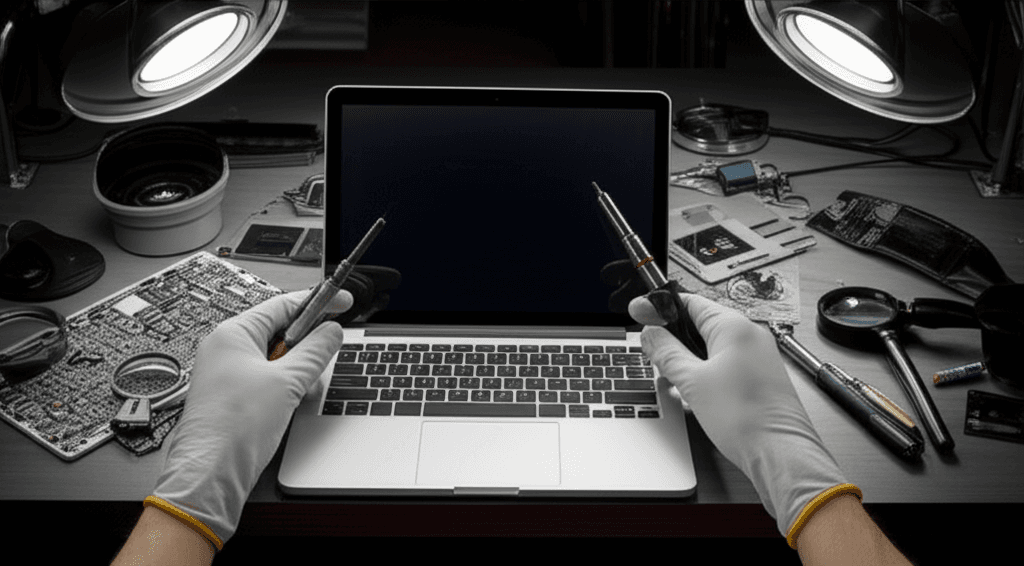
Upgrading old Macbook processors can breathe new life into aging machines, and one enthusiast has recently proven just how feasible it is. The Core Duo processor from Intel might not have been the first multi-core processor for consumers, but it certainly popularized it. However, these early Core Duo chips were limited to 32-bit architecture, prompting a shift towards 64-bit with the Core 2 Duo. Recently, [dosdude1] successfully upgraded a Macbook Pro by replacing its original Core Duo with a Core 2 Duo from a defunct motherboard, achieving a long-desired modification.
The upgrade necessitates specialized tools that may not be readily available to everyone, yet the process remains within reach. It involves desoldering the donor processor and ensuring proper heating of the new motherboard during chip removal and installation. These motherboards were susceptible to moisture ingress, requiring a pre-heating step that previously caused failures for [dosdude1]. After cleaning and preparing the new chip with solder balls, it was placed on the motherboard, ready for soldering.
The Upgrade Process
The process, although complex, is made accessible through dosdude1’s detailed documentation and video. Ensuring the correct tools and techniques are employed is critical to preventing damage to the motherboard or the processor itself. The pre-heating step, as mentioned, is vital to combating moisture and ensuring a clean solder joint.
Upon booting the upgraded machine, the only initial issue was the system’s incorrect identification of the clock speed. A firmware update rectified this, and the machine was ready for use. For those questioning the rationale behind such an endeavor, it extends beyond mere satisfaction. These older Macbooks are among the few machines capable of running free and open firmware. Furthermore, Macbooks a decade or older can function as excellent Linux machines, notwithstanding their hardware limitations. This makes related Industries news even more compelling.
Why Consider Upgrading Old Macbook Processors?
Beyond the technical challenge and personal satisfaction, upgrading an older Macbook unlocks several practical benefits. The ability to run free and open-source firmware like Libreboot provides users with greater control and security over their machines. Additionally, these older Macbooks, even with their hardware constraints, become surprisingly capable Linux machines, suitable for various tasks.
“Upgrading offers a unique blend of sustainability, cost-effectiveness, and enhanced user control, making it a compelling option for tech enthusiasts and budget-conscious users alike.”
Moreover, consider the environmental impact. Instead of discarding a perfectly functional machine, upgrading components extends its lifespan, reducing electronic waste. This aligns with the growing trend of sustainable technology practices and responsible consumption.
Addressing the Clock Speed Issue
The initial hiccup with the system misidentifying the clock speed underscores the importance of firmware compatibility. While the hardware upgrade was successful, the system’s software needed to be updated to properly recognize and utilize the new processor. This highlights the interplay between hardware and software in achieving optimal performance after an upgrade. The solution highlights the importance of system-level knowledge when
This project demonstrates the possibilities of hardware modification and the enduring value of older technology. It’s a testament to the ingenuity of the modding community and the potential for extending the lifespan of devices that might otherwise be considered obsolete. It also shows how
Source: Hackaday


