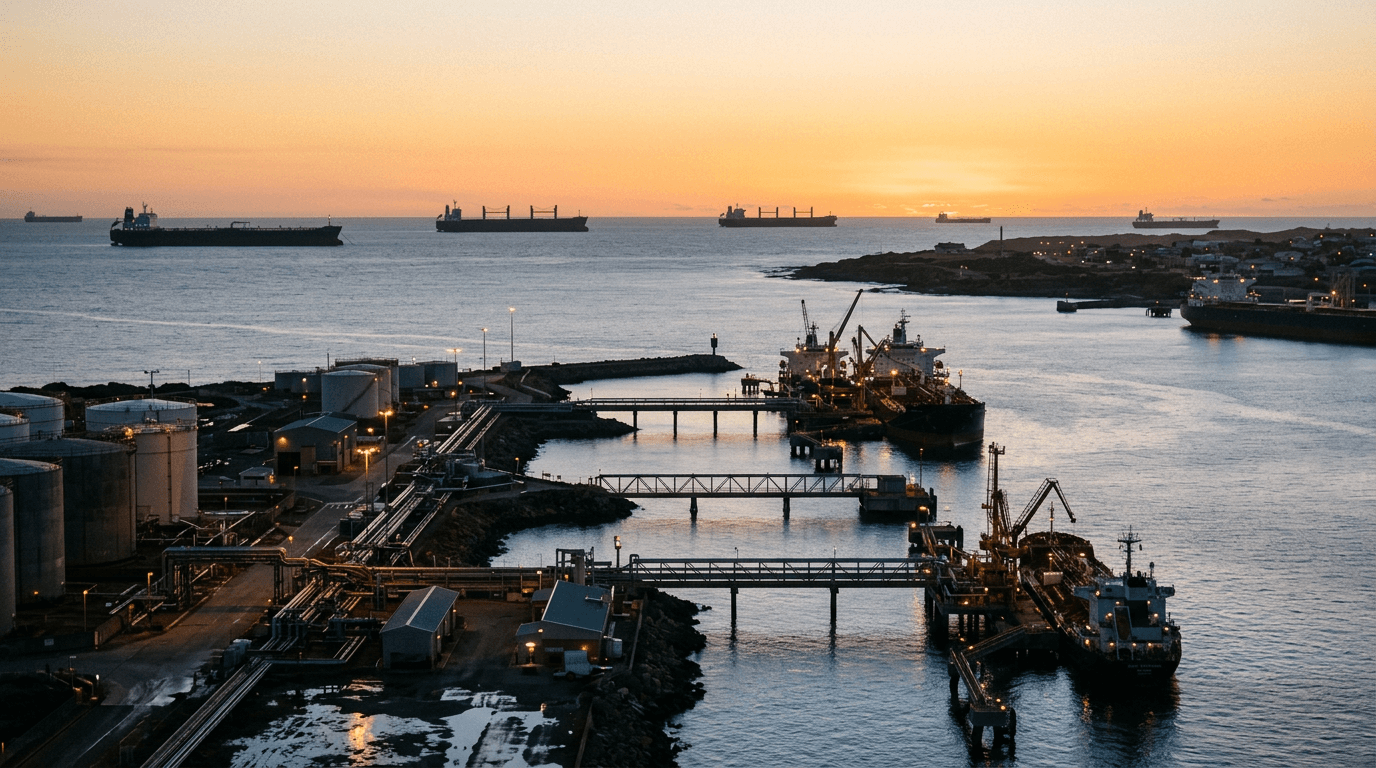
Unprecedented oil reserves are currently at the center of a high-stakes diplomatic effort as G7 finance ministers convene an emergency meeting to address the explosive surge in global energy costs. On Monday, March 9, 2026, officials from the world’s leading economies coordinated with the International Energy Agency (IEA) to evaluate a massive, synchronized release of crude oil. The goal is to stabilize a market that has been thrown into chaos following a series of geopolitical escalations that have threatened the very foundations of global energy security.
The Strait of Hormuz and the Supply Shock
The current crisis was precipitated by a dramatic escalation in the Middle East. Following targeted strikes on Iranian energy infrastructure in late February, retaliatory actions led to the effective closure of the Strait of Hormuz. This maritime passage is the world’s most critical oil chokepoint, facilitating the movement of approximately 16 million barrels of oil per day. With the passage blocked, global supply chains have been severed, causing Brent crude prices to skyrocket by 25% in a single morning, reaching nearly $120 per barrel.
For major economies already struggling with post-pandemic recovery and existing inflationary pressures, this price spike represents a significant hurdle. Market analysts at related Finance news desks have noted that the speed of the price increase is nearly without precedent, surpassing the volatility seen during the initial stages of the Russia-Ukraine conflict in 2022. The sudden lack of supply from the Persian Gulf has left refineries in Europe and Asia scrambling for alternative sources, further driving up the cost of immediate-delivery contracts.
“The scale of this coordinated action is intended to send an unmistakable signal to the markets that the G7 will not allow energy volatility to derail the global economic recovery or punish households with unsustainable costs.”
G7 Strategy: Releasing Unprecedented Oil Reserves
To combat this volatility, the G7 finance ministers—representing the United States, United Kingdom, Canada, France, Germany, Italy, and Japan—met virtually to finalize a plan for releasing 300 million to 400 million barrels of crude. This proposal to tap into unprecedented oil reserves would represent nearly 30% of the total strategic stocks held by IEA member nations. If the plan moves forward, it would be the largest coordinated energy intervention in history, dwarfing all previous efforts to manage global supply shortages.
U.S. officials and UK Chancellor Rachel Reeves have been vocal proponents of the move, arguing that the immediate injection of liquidity into the oil market is the only way to prevent a global recession. By mobilizing unprecedented oil reserves, the G7 hopes to bridge the gap while diplomatic efforts continue to reopen the Strait of Hormuz. However, the logistical challenge of moving such a vast quantity of oil from storage to refineries remains a point of concern for industry experts.
Global Economic and Inflationary Risks
The domestic political stakes are equally high. In the United Kingdom, Prime Minister Keir Starmer is facing intense pressure to mitigate the impact of rising fuel prices on British households. Without the cushion provided by unprecedented oil reserves, the UK could see energy bills rise to levels that would necessitate a new round of multi-billion-pound government support packages. Similar pressures are being felt in Washington and Brussels, where inflation remains the primary political vulnerability for sitting administrations.
Major oil producers such as Saudi Arabia and the UAE find themselves in a difficult position. While they possess some spare capacity, the closure of the Strait of Hormuz limits their ability to export that oil to traditional markets. Some producers have attempted to reroute shipments through the Red Sea, but this alternative is both more expensive and time-consuming. This logistical bottleneck reinforces the argument that only the release of unprecedented oil reserves held in consumer nations can provide the immediate relief required to calm the markets.
IEA Executive Director Fatih Birol emphasized that any release must be perfectly synchronized to maximize its impact on global benchmarks. While the initial rumors of the G7’s plan helped to pare some of the morning’s gains, the underlying tension remains. Analysts warn that if the diplomatic deadlock in the Middle East persists, even the deployment of unprecedented oil reserves may only provide a temporary reprieve, with the specter of $150-per-barrel oil still looming over the global economy. The coming days will be critical as the G7 moves from discussion to implementation, testing the limits of international cooperation in the face of a mounting energy catastrophe.