An unprecedented oil price gap is currently sending shockwaves through global markets, a ‘hidden’ cost that is now reaching record highs and is poised to significantly impact consumer electricity bills. A recent MarketWatch report highlighted this critical disparity between the widely reported screen price of oil and the actual cost refineries are paying for immediate physical delivery.
This ‘hidden’ price of oil, known as ‘dated Brent,’ has surged to an alarming $133 a barrel as of April 15, 2026, while the more commonly cited Brent crude futures traded around $95. The resulting $38 difference represents the largest gap ever recorded, eclipsing previous highs seen during major geopolitical events such as the Gulf War, Iraq War, and even the COVID-19 pandemic. This stark divergence underscores a severe supply disruption that the International Energy Agency (IEA) has labeled as unprecedented.
The Forces Behind the Unprecedented Oil Price Gap
The dramatic widening of this gap is primarily attributed to a confluence of severe supply disruptions originating in March 2026. The Iran war led to significant damage at QatarEnergy’s Ras Laffan site, the world’s largest liquefied natural gas (LNG) facility. This single event sidelined approximately 20% of global LNG production, a critical blow to energy markets.
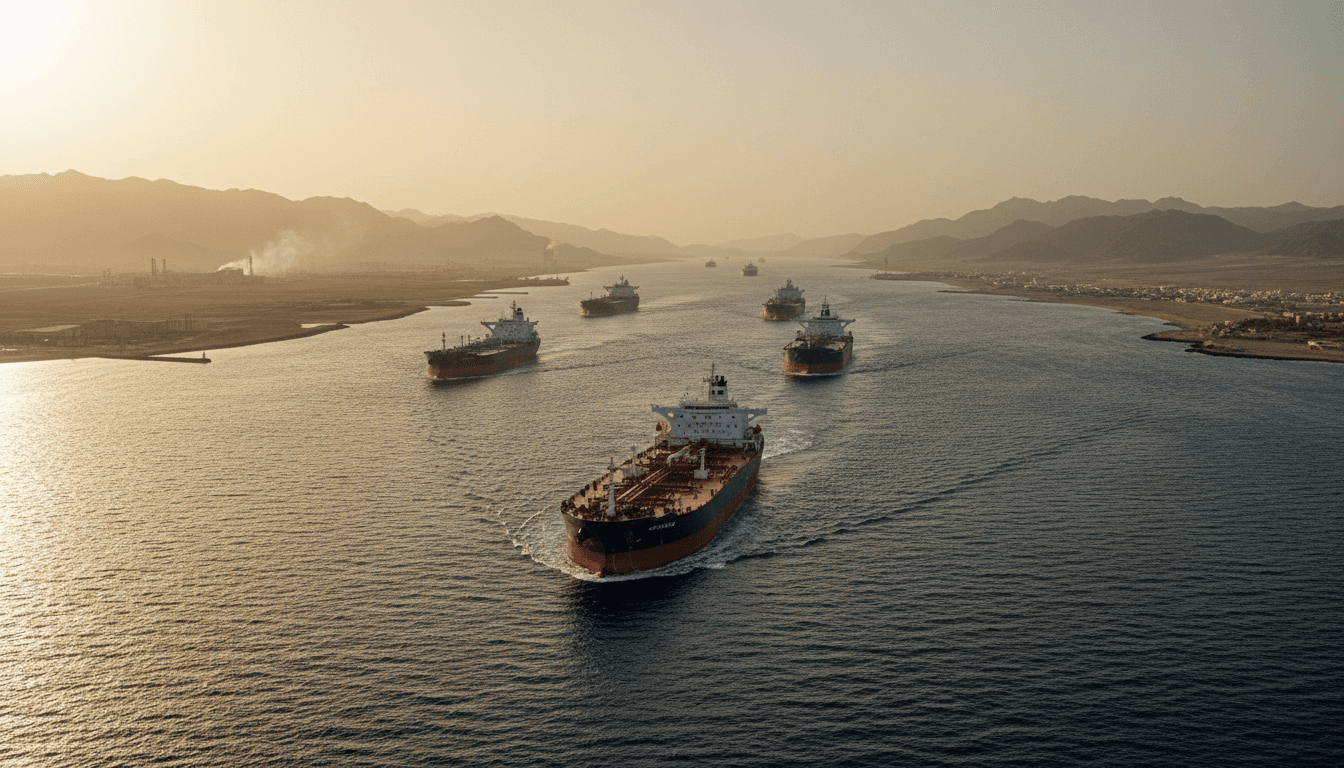
Adding to this crisis, Iran’s closure of the Strait of Hormuz on March 4, 2026, following US-Israeli military strikes on Iranian installations, created what IEA chief Fatih Birol called the “largest supply disruption in the history of the global oil market.” This closure choked off 20% of the world’s oil supply, an estimated 12 million barrels per day. To put this into perspective, Birol noted that this disruption exceeds the combined losses of the 1973 and 1979 oil crises, a truly staggering figure.
“The IEA has warned governments to prepare for energy rationing, with cumulative losses potentially reaching 2 billion barrels by December.”
The immediate consequences were felt globally, with European service stations experiencing diesel shortages and 600 running dry. The IEA’s stark warning about impending energy rationing highlights the severity of the situation, urging governments to brace for potential cumulative losses of 2 billion barrels by December.
Global Repercussions and Future Outlook
The ripple effects of this unprecedented oil price gap are far-reaching. The higher ‘hidden’ price directly translates to increased LNG costs, a primary fuel source for electricity generation in many regions. Consequently, consumers worldwide, particularly in Europe, are facing the prospect of significantly higher electricity bills. This surge in energy costs will inevitably lead to increased operational expenses for businesses, contributing to inflationary pressures across nearly all sectors.
For oil investors and financial advisors, understanding this dynamic is crucial. The widely reported Brent crude futures no longer accurately reflect the true cost of crude, making investment decisions more complex. Refineries are grappling with elevated input costs, which will ultimately be passed on to the end consumer. The long-term implications of such a prolonged supply shock could reshape global energy policies and accelerate the transition towards alternative energy sources, though the immediate challenge remains the acute energy scarcity.
The current unprecedented oil price gap signals a profound shift in global energy markets. With record disparities between physical and futures prices, and critical supply lines disrupted, the world faces a period of heightened energy insecurity. Consumers should prepare for an impact on their electric bills, while governments and industries must urgently address the implications of this new energy reality.