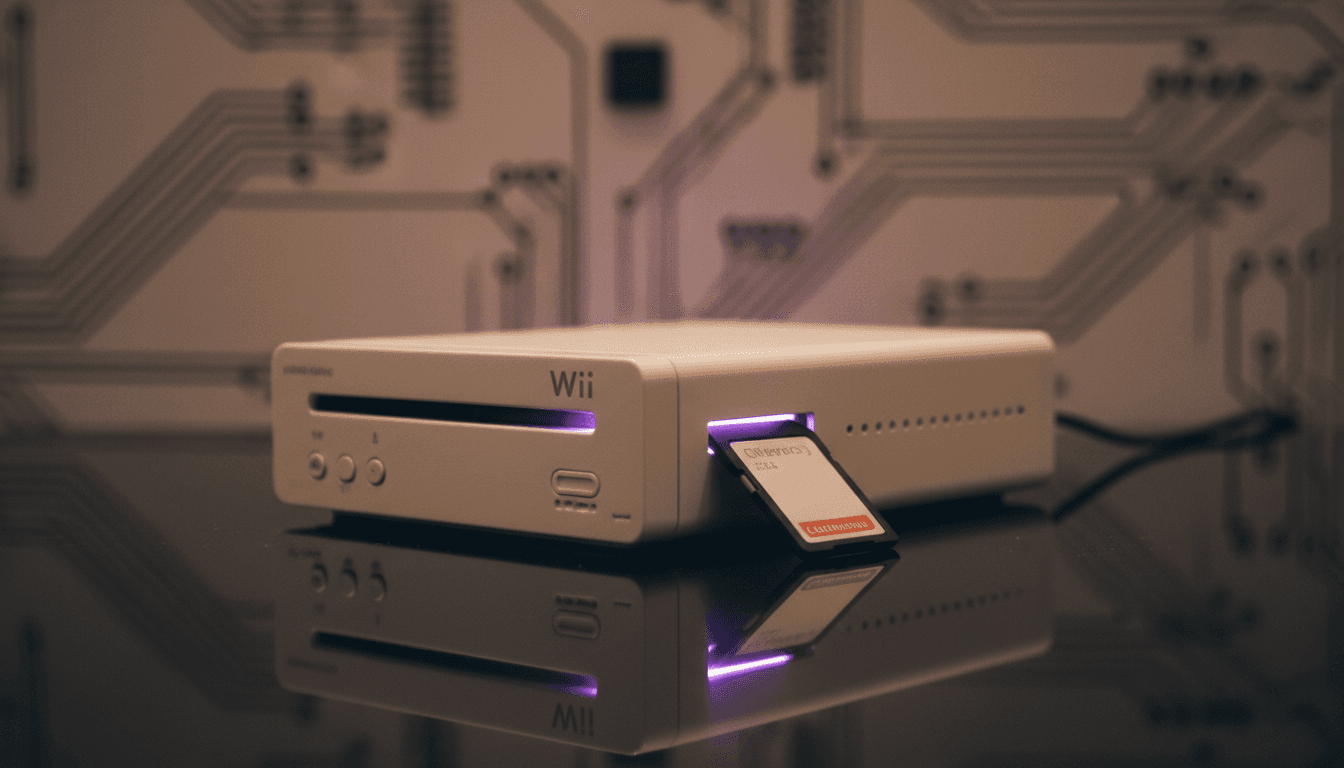
The Twilight Hack, a pivotal exploit in the history of console modding, enabled unprecedented homebrew software functionality on the Nintendo Wii. Discovered in 2008 by the renowned Team Twiizers, this hack was revolutionary because it was the first method to allow users to run their own unauthorized software without requiring any physical modifications to the console itself, democratizing access to a new world of digital possibilities.
The Ingenious Mechanics of the Twilight Hack
At its core, the Twilight Hack leveraged a clever buffer overflow vulnerability within the hugely popular game The Legend of Zelda: Twilight Princess. The exploit specifically targeted how the game handled saving Link’s horse’s name, Epona. While the in-game interface limited the horse’s name to a mere 8 characters, the underlying save file loading code allocated a much larger buffer, approximately 100 bytes. By meticulously crafting a save file that contained a horse name longer than the expected input, interspersed with malicious code, hackers could overflow this buffer. This critical overflow caused the game to inadvertently execute the injected code from an SD card, typically named “boot.elf” or “boot.dol” and placed in the card’s root directory.
“The Twilight Hack wasn’t just about running unofficial software; it was a masterclass in exploiting overlooked code, demonstrating the ingenuity of the early homebrew community.”
Team Twiizers: Architects of the Homebrew Revolution
The development and release of the Twilight Hack were spearheaded by Team Twiizers, a prominent and highly respected group within the burgeoning Wii homebrew scene, also known by their technical moniker, fail0verflow. This collective was instrumental in the foundational days of Wii hacking, not only for the Twilight Hack but also for creating the ubiquitous Homebrew Channel and BootMii, tools that became cornerstones of the community. Hector Martin, a well-known IT consultant and cybersecurity expert, is recognized as a key member of Team Twiizers, contributing significantly to these groundbreaking efforts.
The Cat-and-Mouse Game with Nintendo
The Twilight Hack was discovered and released in 2008, immediately setting off a technological arms race with Nintendo. The console giant responded swiftly with firmware update 3.3 on June 16, 2008, which attempted to patch the vulnerability by automatically deleting modified save files. However, Team Twiizers, demonstrating their rapid response capabilities, quickly released updated versions of the hack—0.1beta1 for System Menu up to 3.3 and 0.1beta2 for System Menu 3.4—to circumvent these initial patches. This ongoing battle of wits eventually saw the Twilight Hack rendered incompatible with System Menu 4.0 and above, unless a specific Priiloader hack was enabled, marking a continuous evolution in the related Industries news of console security.
Why the Twilight Hack Was Transformative
The significance of the Twilight Hack cannot be overstated. It fundamentally opened the door for a vibrant and thriving homebrew community on the Wii, making it dramatically easier for average users to install the Homebrew Channel. This dedicated application streamlined the launching of various homebrew software, allowing users to run emulators, play unofficial games, and unlock a plethora of additional functionalities on their consoles. While Team Twiizers explicitly stated they did not support piracy, the homebrew scene inevitably facilitated the use of unauthorized copies of games and other content, underscoring the dual-edged nature of such exploits. The enduring success of the Twilight Hack and subsequent exploits fostered a continuous “cat-and-mouse” game between dedicated hackers and Nintendo, each side releasing updates and counter-exploits in an endless pursuit of control over the console’s capabilities. This exploit reshaped how users interacted with their devices, proving that a single vulnerability could unlock immense creative potential.