
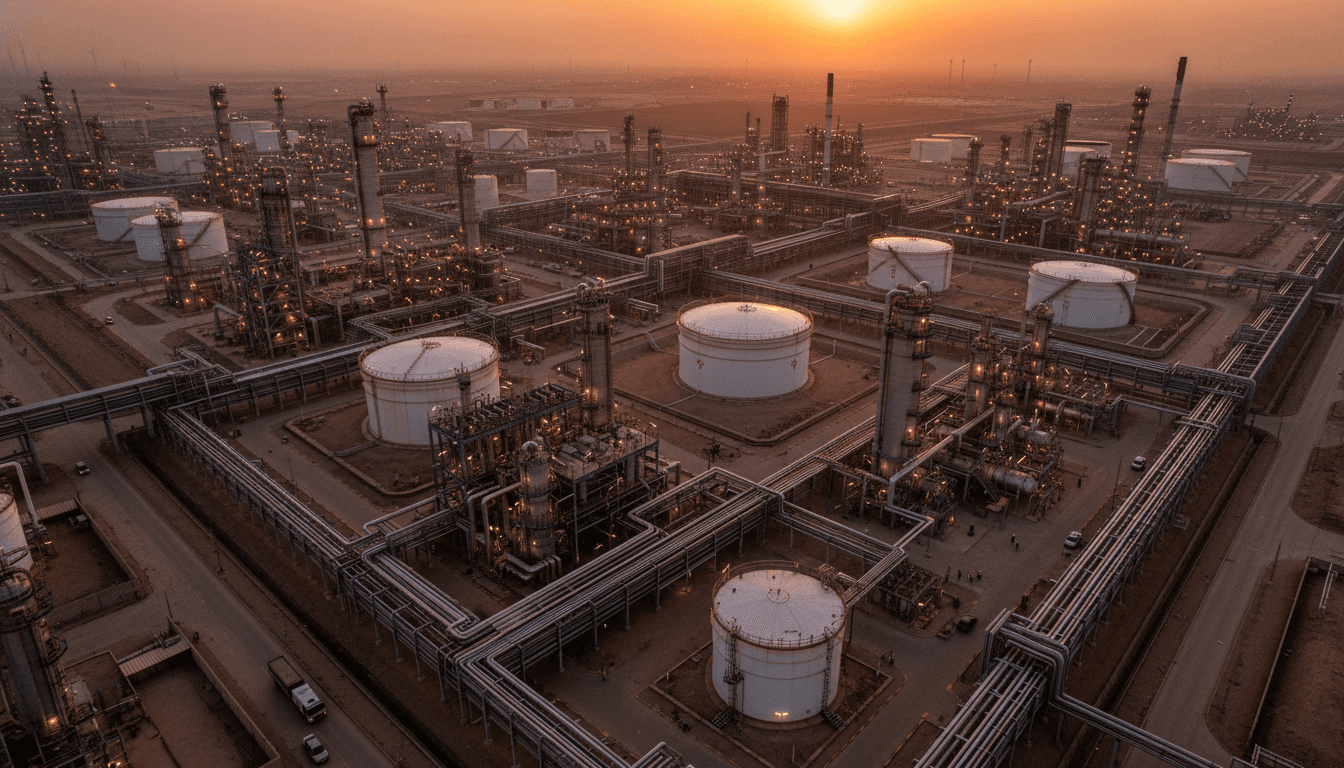
Trump pauses Iran attack plans, extending the deadline for military action against Iranian energy infrastructure by 10 days, a decision announced after U.S. stock markets tumbled, with the Nasdaq Composite entering correction territory for the first time in a year. President Donald Trump’s announcement on Thursday, March 26, 2026, pushes the new deadline to Monday, April 6, 2026, at 8 P.M. Eastern Time, amidst a complex geopolitical landscape and a volatile financial market.
The move marks a critical juncture in the ongoing Middle East conflict, which began on February 28 after nuclear program talks failed. This conflict has already led to thousands of deaths, spread to neighboring nations, and caused global energy prices to soar. Trump claimed the pause was “As per Iranian Government request” and that talks were “going very well,” a sentiment contradicted by an Iranian official who dismissed a U.S. peace proposal as “one-sided and unfair.” Mediators in peace talks also reportedly stated that Iran had not asked for a 10-day pause.
Global Market Reaction to Geopolitical Tensions
Simultaneously with the geopolitical developments, U.S. stock markets experienced a significant downturn. The Nasdaq Composite fell more than 10% from its record high on October 29 of the previous year, officially entering correction territory. The S&P 500 dropped 1.7%, marking its largest daily decline since the start of the Iran war, closing at 6,477.16. The Dow Jones Industrial Average also fell 469.38 points, or 1%, to 45,960.11, and was on track for its biggest monthly percentage-point drop since September 2022.
“Trump is likely looking for an off-ramp from this conflict, as concerns about oil prices and the stock market mount,” commented Michael O’Rourke, Chief Market Strategist at Jones Trading, highlighting the economic pressures influencing the President’s decisions.
Factors contributing to the market decline included a Reuters report about Iranian hardliners pushing for a nuclear bomb and a weak Treasury auction, exacerbating investor anxiety already heightened by the Middle East conflict.
Diplomatic Efforts and Conflicting Narratives
Despite President Trump’s optimistic portrayal of ongoing discussions on Truth Social, the reality of diplomatic efforts appears more complex. U.S. special envoy Steve Witkoff indicated “strong signs” that Tehran might be open to negotiations and revealed a 15-point peace proposal sent to Iran through intermediaries in Pakistan. However, the Iranian government’s official response has been dismissive of the U.S. proposal, describing it as “one-sided and unfair.” This divergence in narratives underscores the fragility of the current diplomatic environment and the challenges in finding a peaceful resolution.
This is the second extension of a deadline that initially gave Iran 48 hours to reopen the Strait of Hormuz or face attacks on its power facilities. The crucial waterway remains a focal point of the conflict, with its status directly impacting global energy supplies and prices. The economic repercussions, particularly soaring energy prices, are a significant concern for global markets and likely a key motivator for the President’s strategic pause. For more insights into market movements, explore our related Finance news.
Trump Pauses Iran Attack Plans: Economic and Political Drivers
President Trump’s decision to extend the pause on military action against Iran appears to be driven by a confluence of geopolitical maneuvering and domestic economic concerns. While he cited an “Iranian Government request” and positive progress in talks, market analysts suggest a more pragmatic rationale. The significant downturn in U.S. stock markets, particularly the Nasdaq entering correction, coupled with the global impact of soaring energy prices due to the Middle East conflict, likely provided a strong impetus for de-escalation.
The coming weeks, leading up to the April 6 deadline, will be critical in determining whether diplomatic efforts can bridge the significant gaps between the U.S. and Iran, or if the region will once again face the threat of intensified military action and further economic instability. The world watches closely as the interplay between global politics and financial markets continues to unfold.


