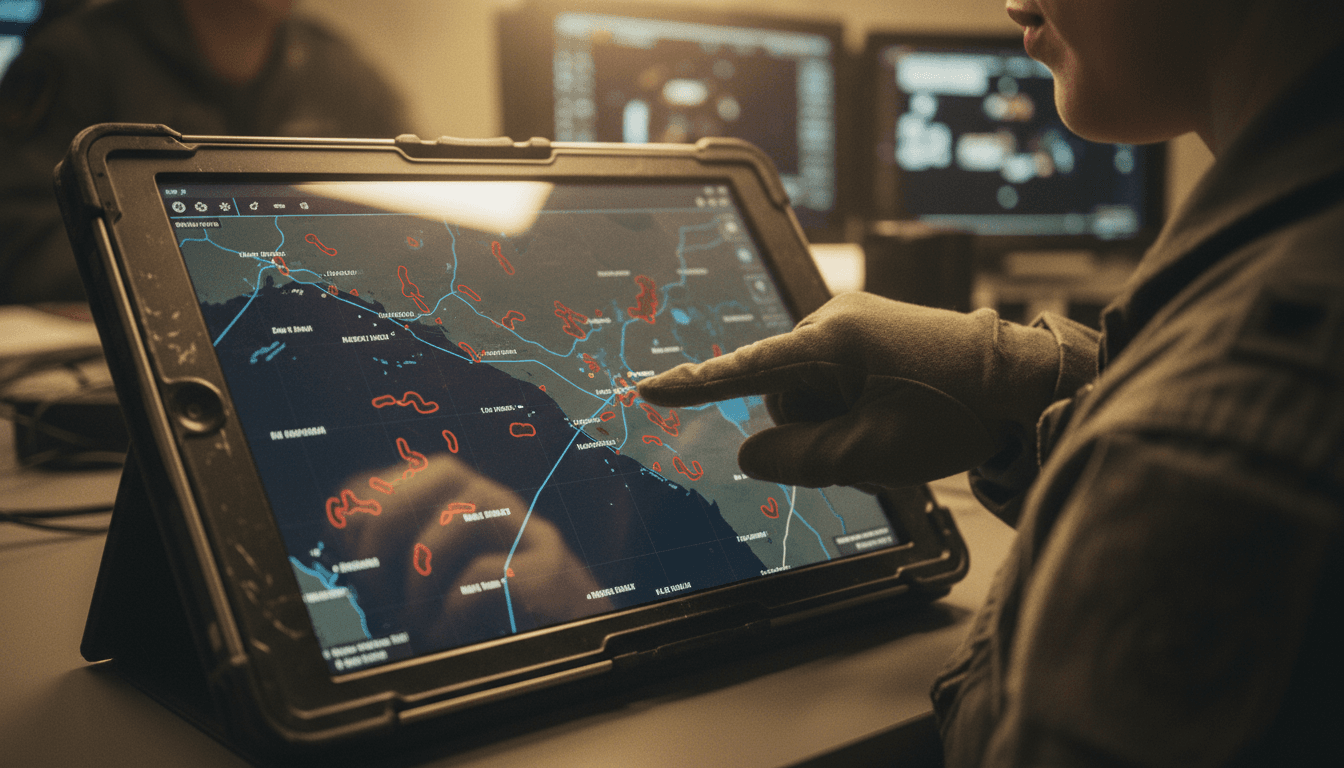
Trump mulls kinetic options against Iran, a developing news story indicates, while Iran’s new Supreme Leader, Mojtaba Khamenei, has issued stern warnings to the United States. This comes amidst a backdrop of significant negative impacts on US consumers due to the ongoing conflict.
Former US President Donald Trump is reportedly weighing military actions, including “short and powerful” strikes on Iranian targets and potential control of the Strait of Hormuz. These considerations, prepared by US Central Command (CENTCOM), signal a potential escalation in an already volatile region. Admiral Brad Cooper, CENTCOM Commander, was slated to brief President Trump on these new plans on April 30, 2026.
Mojtaba Khamenei’s Defiance and Warnings
Iran’s new Supreme Leader, Mojtaba Khamenei, who succeeded his assassinated father on February 28, 2026, has adopted a highly confrontational stance. Despite not being seen publicly since his appointment on March 9, 2026, Khamenei has issued several written messages, vowing “new defeats” for the US and Israel. He has asserted Iran’s “new management measures” over the strategically vital Strait of Hormuz, accusing foreign powers of interference and stating that the only place for “foreign actors” in the Persian Gulf is “the depths of its waters.” This defiance includes rejecting a US naval blockade and reiterating Iran’s commitment to its nuclear and missile capabilities, further fueling tensions as related Finance news suggests.
“The only place for foreign actors in the Persian Gulf is the depths of its waters.”
The conflict, which began in March 2026, has seen Mojtaba Khamenei issue chilling warnings, including an April 18, 2026, message threatening “new defeats” for the US. On April 30, 2026, the same day President Trump was briefed on military options, Khamenei declared the US had suffered a “disgraceful defeat” and rejected Trump’s warning about a naval blockade.
US Consumers Suffer Economic Fallout
The ongoing conflict has inflicted significant economic hardship on US consumers. Gasoline prices have soared by over $1 per gallon in just a few weeks, with the national average surpassing $4 by early April 2026. This translates to median-earning, two-driver households spending an extra $70 per month on fuel, a considerable burden. Overall inflation has also jumped, with a key gauge rising 0.7% in March from February, and 3.5% compared to a year ago—the biggest increase in almost three years. Food prices have also risen sharply, driven by increased costs for transport, fertilizers, and shipping insurance, particularly as over a third of traded fertilizer passes through the Strait of Hormuz.
Consumer spending growth has slowed to 1.9% this year, the slowest pace since 2013 excluding the pandemic. Consumer sentiment hit an all-time low in April, and inflation expectations increased from 3.8% in March to 4.7% in April, indicating growing pessimism among Americans. The continued consideration of military actions and Iran’s defiant posture ensures that the economic strain on US households will persist.
Trump Mulls Kinetic Options: Military Considerations
President Trump’s administration is actively exploring military responses. Options prepared by US Central Command (CENTCOM) include “short and powerful” waves of strikes on Iranian targets, potentially including critical infrastructure. Other considerations involve taking control of parts of the Strait of Hormuz to reopen it to commercial shipping, possibly with ground forces, or a special forces operation to secure Iran’s stockpile of highly enriched uranium. CENTCOM has also requested the deployment of the Army’s long-range Dark Eagle hypersonic boost-glide vehicle to the Middle East for potential use against Iran, highlighting the gravity of the potential military engagements as the US weighs its options to address the ongoing conflict and its economic repercussions.
The escalating tensions between the US and Iran, fueled by President Trump’s consideration of military action and Supreme Leader Mojtaba Khamenei’s defiant stance, continue to weigh heavily on global stability and the financial well-being of US consumers. The critical Strait of Hormuz remains a flashpoint, with its disruption directly impacting energy and food prices, signaling a prolonged period of economic uncertainty.