The critical Trump-Iran de-escalation, a term describing the market phenomenon dubbed ‘Trump Always Chickens Out’ (TACO), initially offered investors a glimmer of relief from selling, yet the underlying volatility persisted. This dynamic was brought into sharp focus by a MarketWatch headline from Monday, January 13, 2020, which questioned whether then-President Trump had indeed pulled a ‘TACO’ on Iran, suggesting a predictable pattern where investors ‘buy the dip’ during downturns fueled by Trump’s aggressive rhetoric, anticipating eventual de-escalation.
The Shadow of Soleimani: Escalation and Retaliation
The backdrop to this market analysis was the dramatic escalation of U.S.-Iran tensions in early 2020. The conflict ignited on January 3, 2020, when a U.S. drone strike, directly ordered by President Trump, assassinated Iranian Major General Qasem Soleimani near Baghdad International Airport. Soleimani, a pivotal figure as the commander of the Quds Force, a branch of Iran’s Islamic Revolutionary Guard Corps, became the catalyst for a significant surge in geopolitical risk, with Iranian leaders immediately vowing severe revenge.
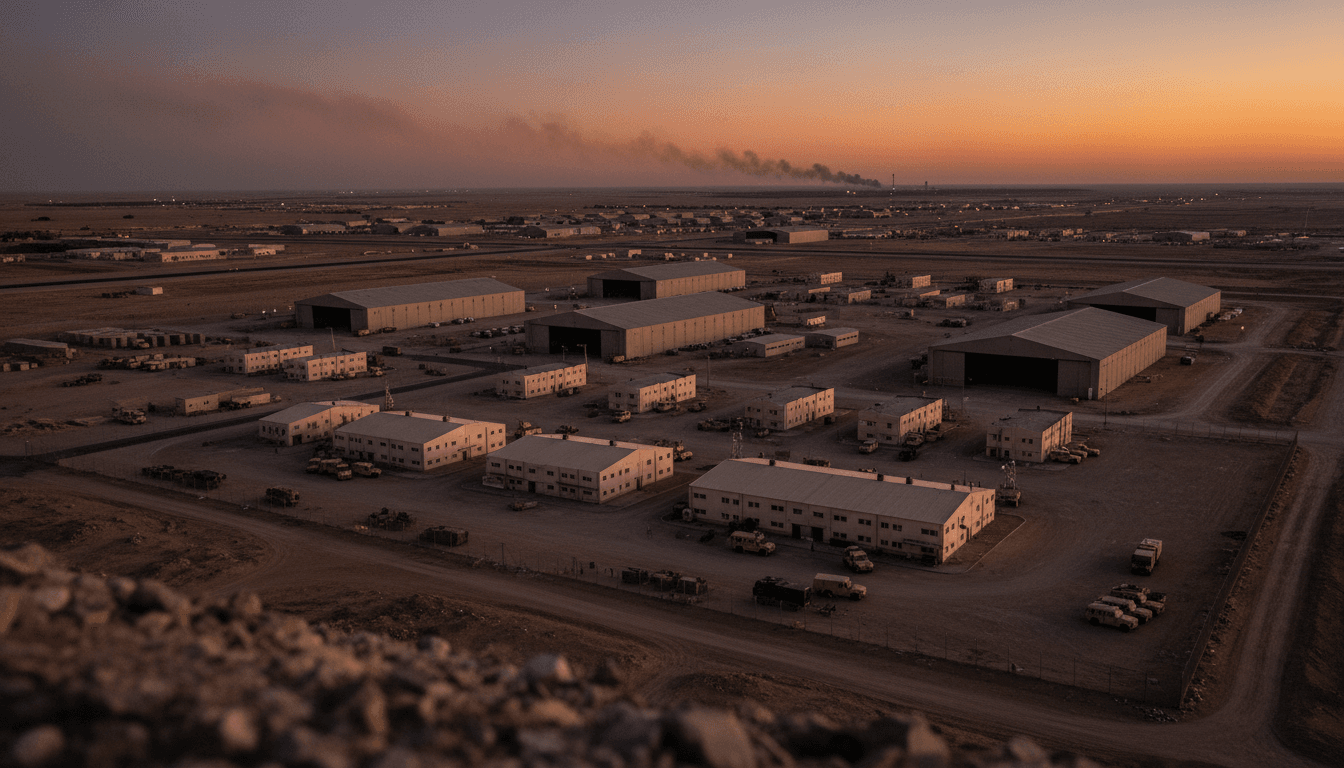
In a swift and forceful retaliation, Iran launched “Operation Martyr Soleimani” on January 8, 2020. This operation involved firing over 12 ballistic missiles at the al-Asad Airbase in western Iraq, a key base housing U.S. forces, and targeting another airbase in Erbil. This constituted the largest ballistic missile attack ever against U.S. forces abroad. While initial reports from the U.S. indicated no casualties, it was later confirmed that 110 U.S. service members were diagnosed and treated for traumatic brain injuries, highlighting the true human cost of the confrontation.
Trump-Iran De-escalation: Market’s Fleeting Optimism
Following these intense exchanges, President Trump signaled a potential de-escalation of the conflict. On Monday, January 13, 2020, the Dow Jones Industrial Average futures saw a significant jump of 1,100 points, and U.S. stocks rose sharply. This market optimism was fueled by Trump’s indication that he was postponing planned military strikes on Iranian energy infrastructure. He publicly stated that the U.S. was engaged in negotiations with Iran to end the conflict, describing the talks as “very good and productive conversations.” However, Iran’s Foreign Ministry quickly rejected Trump’s portrayal of the discussions, asserting that his statements were merely an attempt to manipulate energy prices and buy time for military objectives. For more insights into market reactions to geopolitical events, explore our related Finance news.
“The ‘TACO trade’ might offer short-term relief, but the underlying geopolitical landscape with Iran is fundamentally different, carrying higher risks of prolonged conflict.”
Despite the market’s initial positive reaction to the perceived Trump-Iran de-escalation, some astute analysts cautioned against over-reliance on the ‘TACO trade.’ They argued that the nature of the conflict with Iran presented unique challenges, suggesting that Trump might not possess the same level of control over its outcome as in previous situations. Concerns were raised that Iran might exhibit a higher tolerance for prolonged conflict, which, if sustained, could lead to adverse economic consequences such as higher oil prices, increased inflation, and a reduction in overall economic growth. This underscores the enduring volatility that geopolitical tensions can inject into global financial markets.
Lingering Volatility: Beyond the Immediate Relief
Even with the immediate market relief spurred by the critical Trump-Iran de-escalation, the inherent complexities of the geopolitical situation ensured that volatility would remain a defining characteristic. The events of early 2020 served as a stark reminder that while leaders may signal a calming of tensions, the deep-seated issues and potential for unforeseen escalations continue to pose significant risks for investors.