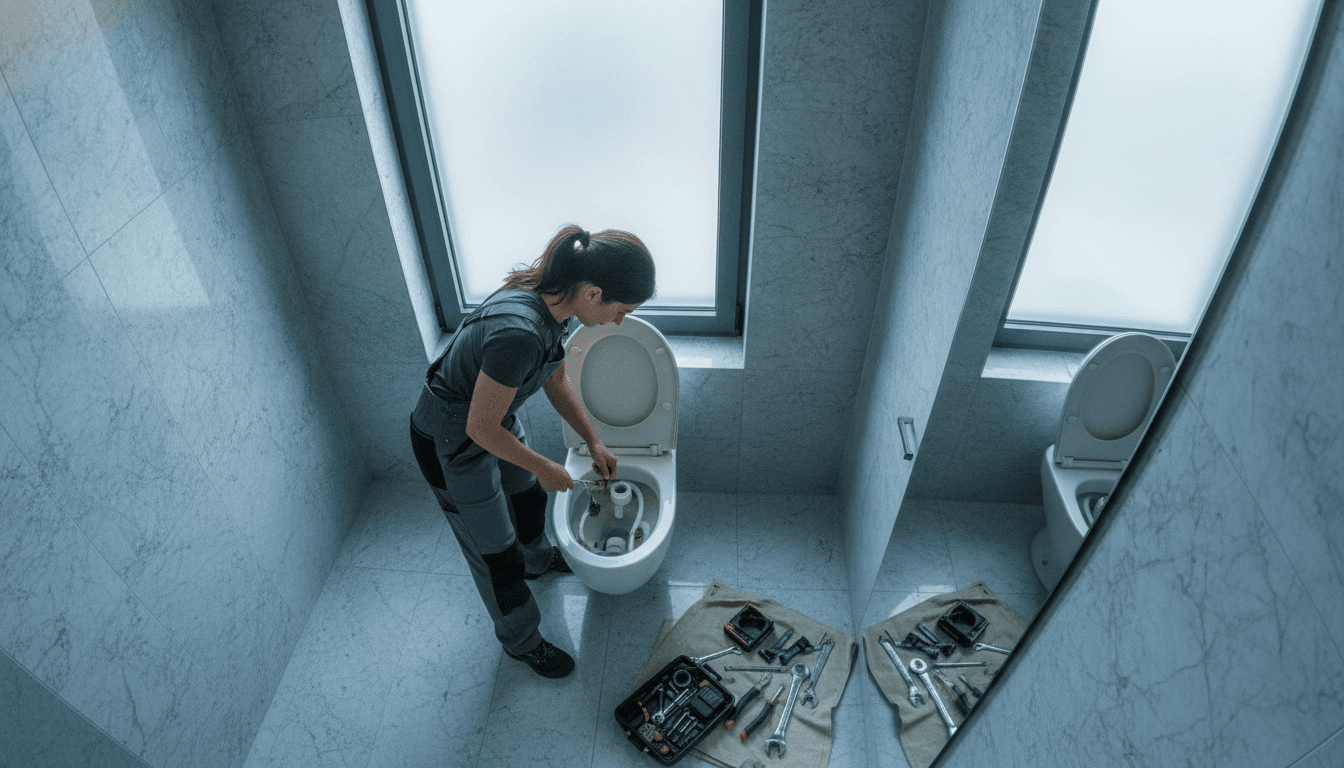
A homeowner faces double payment risk after a plumber charged $160 to fix a toilet cistern, only to leave a new problem in its wake. This common scenario highlights the often-frustrating complexities of home repairs and the financial implications when an initial fix creates further issues.
The Moneyist at MarketWatch recently addressed a similar complaint, where a central heating system repair required a second visit, sparking debate over whether the customer should pay twice. In the current case, a homeowner engaged a plumbing company to address a constantly refilling and hissing toilet cistern. After an initial $160 diagnostic and repair fee, the constant water flow was resolved. However, a new issue emerged: the cistern now requires manual resetting after every flush.
“Most fair-minded customers would regard the job as incomplete rather than fixed. For that reason, ask the plumbing company to return and reassess the repair without charging a second fee.”
The Plumber’s Dilemma: New Problem or Unfinished Job?
The plumbing company’s response has been less than satisfactory, with a follow-up visit insisting the repair was complete, despite the ongoing manual reset requirement. They are now demanding another $160 to address this new fault. This raises a critical question for consumers: when does a repair become an incomplete job rather than a new problem requiring additional payment?
While components can wear out and new issues can arise, the immediate appearance of a new fault directly following a repair suggests the initial job was either incomplete or inadvertently caused a secondary problem. Consumers expect a functional outcome, especially after paying a diagnostic fee that supposedly covers the initial assessment and repair. The homeowner’s dilemma underscores the importance of clear communication and service guarantees in the plumbing industry. Facing a double payment risk for a toilet cistern repair is a frustrating financial burden.
Navigating Diagnostic Fees and Repair Disputes
Plumbing companies often justify diagnostic fees by citing the time, labor, and expertise involved in identifying problems. These fees, typically flat rates, aim to cover initial investigation costs, even if the repair itself is quick. The logic is that technicians spend significant time on various calls, and a diagnostic fee helps manage these operational expenses. However, this justification wears thin when the initial repair fails to restore full functionality or creates a new, immediate issue.
If a plumbing company insists on a second charge for what appears to be a direct consequence of their initial work, consumers have options. Firstly, clearly articulate the expectation that the job should be completed under the original fee, emphasizing that the toilet’s functionality was not fully restored. If the company remains unyielding, seeking a second opinion from another plumber can provide clarity on the actual cause of the new problem and whether it is truly unrelated to the initial repair. This can help prevent unnecessary payment for a toilet cistern repair that should have been covered.
Consumer Rights and Recourse for Incomplete Repairs
Consumers have rights when it comes to home services. While plumbing issues can be complex, a repair should ideally result in a fully functional system. When an immediate post-repair fault arises, it’s reasonable to expect the original service provider to rectify it without additional charges, especially if it appears to be a direct or indirect consequence of their previous work. Engaging with the company in a professional, firm manner, focusing on the lack of proper function rather than outright blame, can often lead to a resolution.
For more insights on managing household finances and consumer rights, explore our related Finance news. Ultimately, businesses that prioritize customer satisfaction and stand by their work are those that build long-term trust and repeat business. Paying twice for what feels like the same problem, or a problem directly caused by the initial fix, is a significant financial burden that many homeowners struggle with.