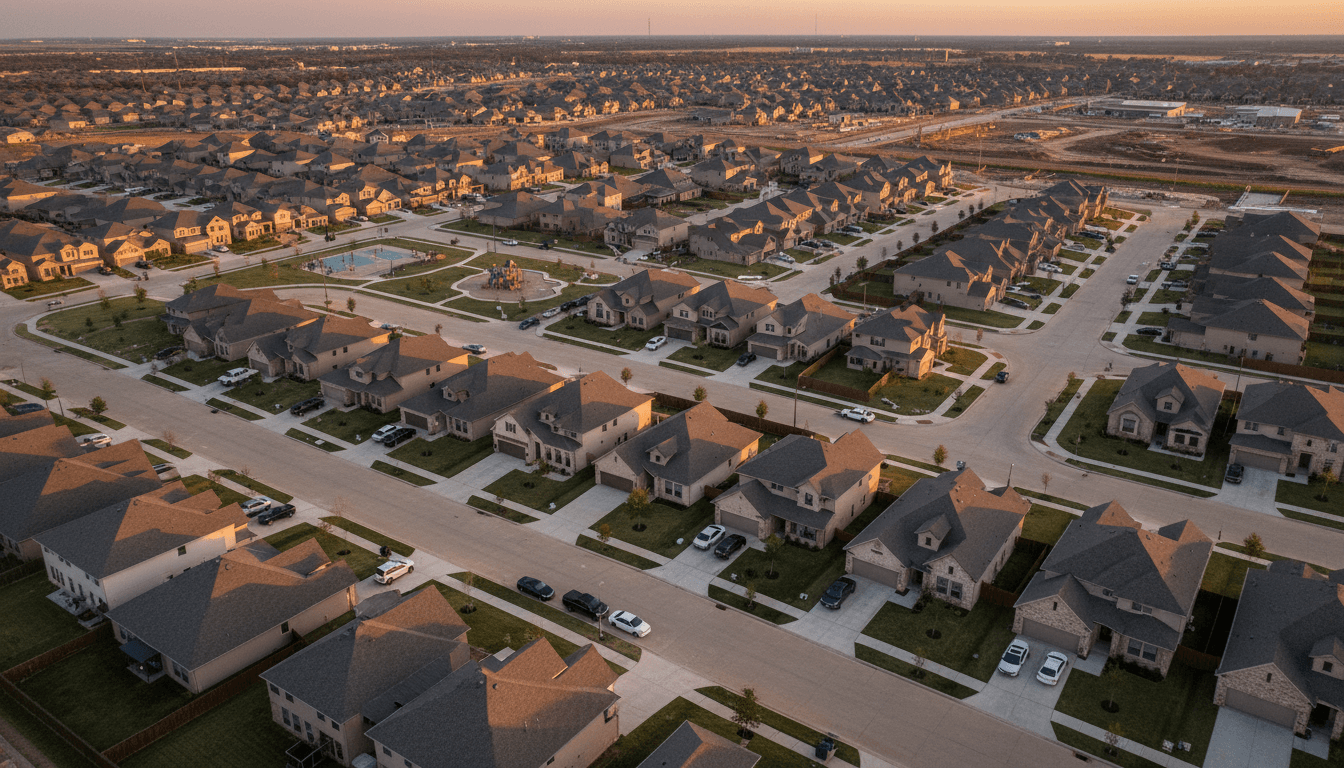
Texas home prices are falling across the state, marking a significant shift in one of the nation’s most dynamic housing markets. This trend, highlighted by South Florida Media on Saturday, April 25, 2026, signals a notable recalibration after years of robust growth and escalating values.
The Shifting Landscape of Texas Housing
The core of this real estate story revolves around a widespread decrease in home prices throughout Texas. While specific regions or cities experiencing the most pronounced drops were not detailed, the broad statement indicates a statewide phenomenon. This development comes as a crucial point of analysis for anyone involved in the property sector, from homeowners and prospective buyers to developers and investors. The ‘who’ in this narrative encompasses millions of Texans and prospective migrants who have been drawn to the state’s economic opportunities and relatively lower cost of living.
The ‘what happened’ is straightforward: home prices are falling. This reversal in trend is a significant indicator of changing market dynamics, moving away from the seller’s market conditions that have dominated for an extended period. The key details point to a broad-based shift rather than isolated incidents, suggesting underlying economic or demographic factors are at play across the entire state.
Impact Analysis on the Broader Real Estate Landscape
The decline in Texas home prices has profound implications for the broader real estate landscape, both within the state and nationally. For current homeowners, particularly those who purchased at peak valuations, this could mean a decrease in accumulated equity. For prospective buyers, however, this shift presents a potential opportunity for increased affordability, especially if interest rates stabilize or decline.
Developers and builders will likely re-evaluate their pipelines and strategies. A cooling market might lead to a slowdown in new construction starts, particularly in areas where inventory levels begin to rise significantly. This could also affect land values and the profitability of speculative projects. Mortgage lenders and financial institutions will also monitor this trend closely, as falling home prices can influence loan-to-value ratios and the overall health of their mortgage portfolios.
“The widespread nature of Texas home prices falling suggests a fundamental re-evaluation of market equilibrium, moving towards a more balanced environment for buyers and sellers.”
The Texas market has long been a bellwether for housing trends due to its strong population growth and economic diversification. A sustained downturn here could signal broader market softening in other previously overheated regions across the country. Conversely, if Texas finds its footing quickly, it could offer a blueprint for other states navigating similar recalibrations. For related real estate articles, consider how national trends often ripple through key state markets.
Context and Background: A History of Growth
For years, the Texas housing market has been characterized by robust growth, fueled by strong job creation, corporate relocations, and a steady influx of residents from other states seeking affordability and economic opportunity. Cities like Austin, Dallas, Houston, and San Antonio have consistently ranked among the fastest-growing metropolitan areas in the U.S., driving demand and pushing home values upward. This sustained appreciation has created significant wealth for many homeowners but also presented challenges for first-time buyers struggling with affordability.
Previous market cycles have shown that even strong growth markets are not immune to corrections. Factors such as rising interest rates, changes in employment figures, or shifts in migration patterns can all contribute to a market slowdown. While the source material does not specify the direct causes for the current decline, it is reasonable to infer that a combination of these macro-economic factors is likely contributing to the observed trend of Texas home prices falling.
What’s Next: Navigating the New Normal
Looking ahead, the trajectory of the Texas housing market will depend on several key variables. The state’s economic performance, particularly in sectors like tech, energy, and manufacturing, will play a crucial role in determining future demand. Interest rate movements by the Federal Reserve will also heavily influence affordability and buyer activity. If rates continue to climb, it could further dampen demand, while a reduction might stimulate renewed interest.
Local and state policymakers may also consider interventions or incentives to stabilize the market or support affordable housing initiatives. For now, market participants should anticipate a period of adjustment. Sellers may need to temper expectations, while buyers might find more room for negotiation. Investors will be closely watching for distressed assets or opportunities to acquire properties at more favorable valuations. The next few quarters will be critical in establishing whether this is a temporary correction or the beginning of a more prolonged downturn.
Key Takeaway: A Market Rebalancing
The news that Texas home prices are falling across the state underscores a significant rebalancing within one of the nation’s most dynamic real estate markets. This shift represents a departure from the rapid appreciation seen in recent years, signaling a potential move towards greater affordability for buyers and a more tempered environment for sellers. As the market adjusts, stakeholders across the real estate spectrum will need to adapt their strategies to navigate this evolving landscape. This development serves as a crucial reminder that even the most robust markets are subject to economic cycles and external pressures, necessitating continuous analysis and strategic foresight in real estate investment and planning.