
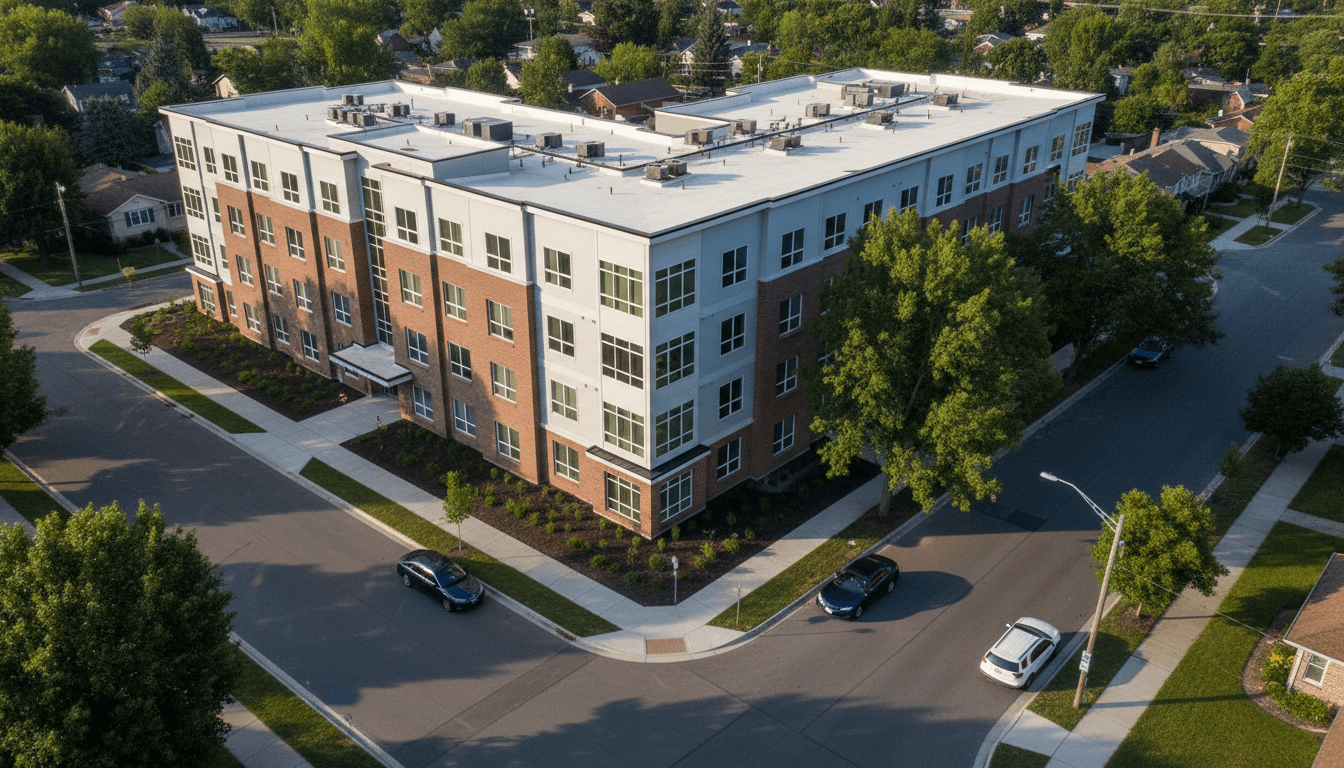
Southport expands housing with a new rental development, a move poised to significantly address the growing demand for residential options in the Portage la Prairie region. The announcement, made on Tuesday, May 5, 2026, by PortageOnline, marks a notable expansion of housing inventory in an area that has seen consistent population growth and economic activity.
The Story: Development Details
The core of this development centers on Southport, a community recognized for its strategic location and ongoing evolution. While specific figures regarding the number of units or the exact investment were not detailed in the announcement, the clear intention is to bolster the existing housing stock with new rental properties. This initiative is a direct response to the increasing need for diverse living solutions, catering to individuals and families seeking long-term accommodation. The project underscores a commitment to sustainable community growth and aims to enhance the overall quality of life for residents by providing modern, accessible rental options.
Impact Analysis
This new rental development carries significant implications for the broader real estate landscape in Portage la Prairie and its surrounding areas. Increased housing availability, particularly in the rental sector, can help stabilize or even moderate rent increases, offering relief to tenants. For the local economy, it signals confidence in the region’s growth trajectory, potentially attracting more businesses and residents. Developers and investors may also view this as a positive indicator, encouraging further investment in residential and commercial projects. The influx of new residents supported by expanded housing can stimulate local retail, services, and infrastructure development, creating a ripple effect across various economic sectors.
“Expanding housing options is fundamental to supporting a growing community and ensuring its long-term economic vitality.”
Context & Background
The decision by Southport to expand housing comes against a backdrop of tightening rental markets across many parts of Canada, driven by factors such as population growth, limited new construction, and shifting demographics. Portage la Prairie, with its agricultural and industrial base, has experienced its own pressures on housing supply. Previous trends have shown a consistent demand for both ownership and rental properties, often outpacing the rate of new construction. This development aligns with broader industry trends focused on creating mixed-use communities and enhancing urban density to accommodate evolving housing needs. For more insights into regional housing trends, see our analysis of Manitoba’s property market.
What’s Next for Southport Expands Housing
Looking ahead, the successful integration of this new rental development will be crucial. Future implications include potential follow-up phases of construction if demand continues to outpace supply. Local authorities will likely monitor the impact on infrastructure, such as transportation, utilities, and public services, to ensure they can adequately support the expanded population. The project could also set a precedent for other communities facing similar housing challenges, encouraging similar initiatives. Decisions regarding zoning, permitting, and potential incentives for future developments will be closely watched by industry stakeholders. We anticipate a detailed unveiling of the project’s scope and timeline in the coming months, which will provide further clarity on its full economic and social impact. Further analysis on similar community-led developments can be found in our reports on regional urban planning.
Key Takeaway
The expansion of housing by Southport with this new rental development represents a proactive step in addressing critical housing needs in Portage la Prairie. It signifies a commitment to growth and sustainability, offering tangible benefits to residents and the regional economy alike. This initiative underscores the importance of ongoing investment in residential infrastructure to support thriving communities and maintain a balanced real estate market.


