Smart plug failures are becoming increasingly common, often linked to poorly designed PCBs and enclosures that prematurely degrade electrolytic capacitors. The SwitchBot Plug Mini, recently analyzed by Denki Otaku after numerous reports of failures, serves as a prime example of this concerning trend.
These Mini Plugs offer remote control via standard outlets, differing from integrated solutions like the Shelly 2.5 smart relay, which also suffered from capacitor-related issues. However, unlike the Shelly relays, which typically failed after a few years, these SwitchBot plugs sometimes malfunction within weeks, exhibiting behaviors like constant relay switching.
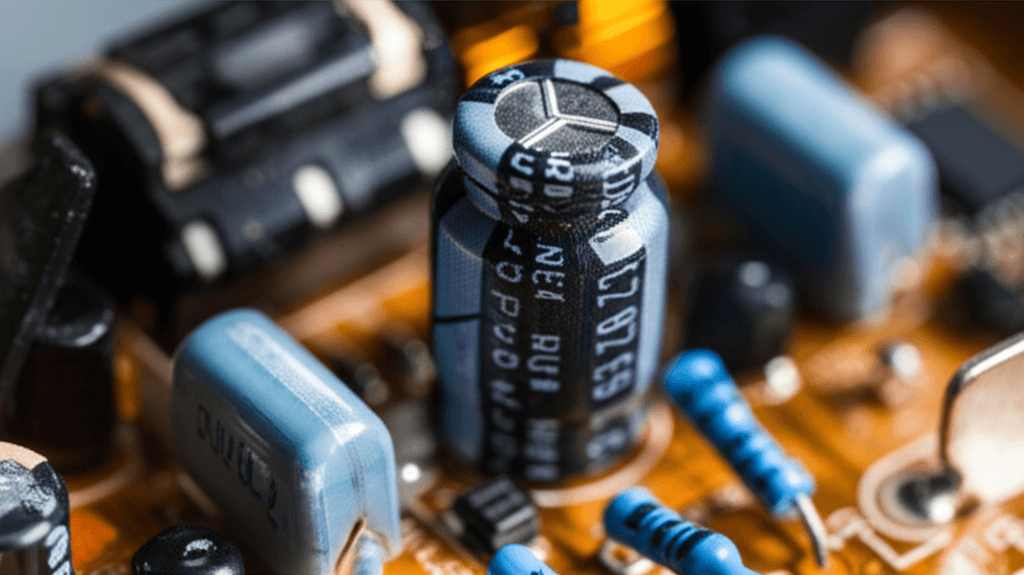
Following SwitchBot’s exchange program, Denki Otaku examined these failed devices from affected users. A teardown revealed a bulging 680 µF capacitor on the secondary side, its electrolyte depleted. Replacing this single capacitor revived the previously unresponsive plug.
This capacitor is crucial as it stabilizes the 3.3 V rail. Without it, the voltage sags below the microcontroller’s operational range during power-intensive WiFi operations, leading to resets. The cause of this failure points to two potential factors: either a substandard capacitor, lacking a proper datasheet, struggling with the ripple current, or elevated temperatures within that PCB section.
“Poor design and component selection are key drivers of IoT device failures.”
Thermal Stress on Components
Thermal imaging of the working PCB indicates that the voltage regulator and switching circuitry, located directly beneath the capacitor, reach temperatures up to 50°C, even without considering the sealed enclosure. The adjacent WiFi module also contributes to the heat, baking the capacitor from below and the side. Even in open air, the capacitor reached approximately 43°C. This continuous thermal stress accelerates the aging and degradation of the electrolytic capacitor.
While a higher-quality capacitor might better withstand the ripple current, the environment remains unnecessarily stressful. Investigations into newer batches of Plug Minis revealed that older units retained the flawed capacitor, while newer units had replaced it with a polymer capacitor of the same rating. The use of a polymer capacitor seems to improve longevity, potentially extending it past the warranty period. However, without a fundamental redesign, these units appear destined for premature failure due to rapid capacitor aging, contributing further to smart plug failures.
The Shift to Polymer Capacitors
Interestingly, one of the failed plugs examined by Denki Otaku had a polymer capacitor, but exhibited a different, uninvestigated fault. Switching to polymer capacitors may mitigate the electrolytic capacitor issue, but a more comprehensive redesign is needed to address the underlying thermal management problems that contribute to smart plug failures. This highlights the importance of thorough testing and robust design in IoT devices.
Addressing the Root Cause of Smart Plug Failures
Ultimately, the issue of smart plug failures highlights a broader concern within the IoT industry: the prioritization of cost and time-to-market over long-term reliability. Proper thermal management, careful component selection, and rigorous testing are essential to prevent these types of failures. Consumers should be aware of these potential issues and consider the long-term cost of ownership when purchasing smart home devices. For more related Industries news, stay tuned to The Financial Standard. The continued prevalence of smart plug failures underscores the importance of robust engineering practices and consumer awareness in the rapidly evolving IoT landscape.
Source: Hackaday