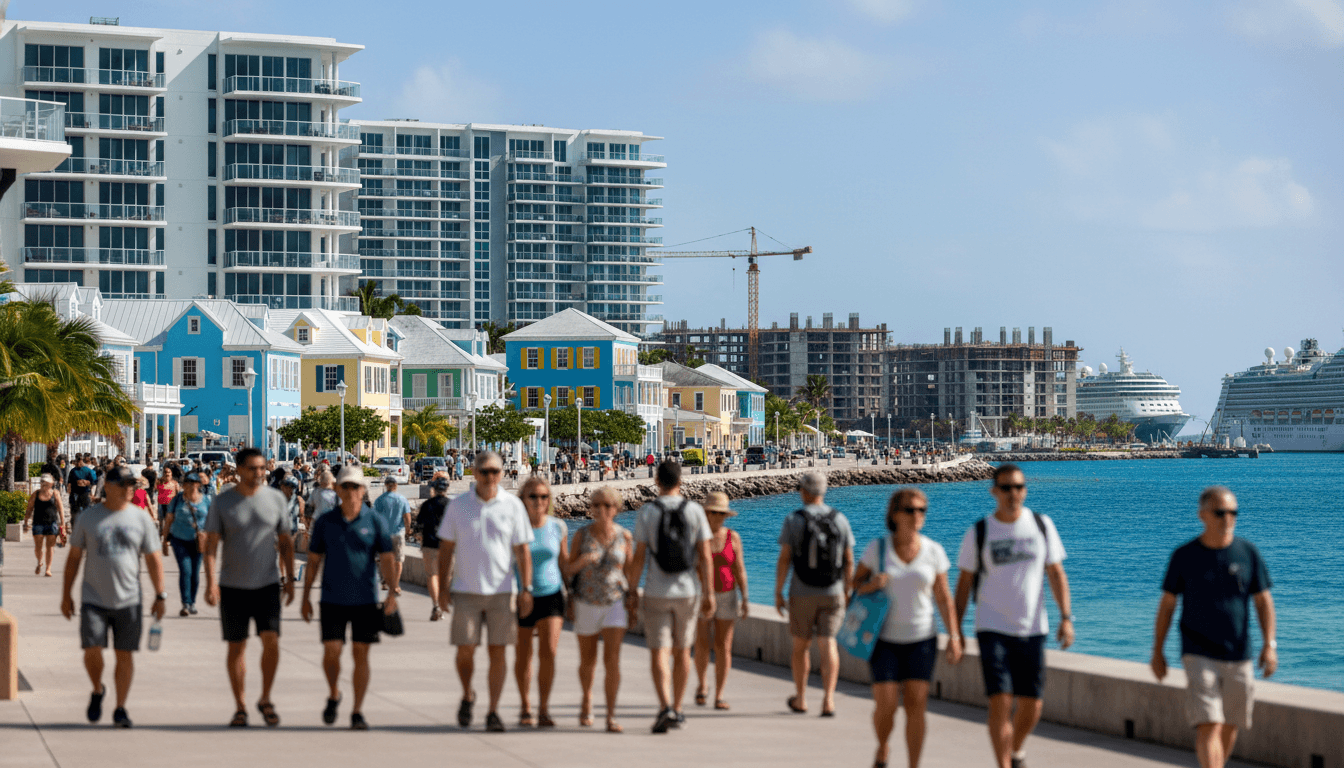
The short-term rental market compounds the housing crunch in the Cayman Islands, a significant development reported by the Cayman Compass on Friday, May 15, 2026. This trend is exacerbating an already challenging situation for long-term residents and workers seeking affordable housing, as properties are increasingly diverted from traditional leases to more lucrative short-stay options.
The Story: Diverting Supply, Driving Demand
This critical issue centers on the allocation of residential properties within the Cayman Islands. The core of the problem lies in the economic incentive for property owners to list their units on platforms catering to short-term visitors, rather than offering them for long-term tenancy. This shift, while beneficial for tourism and property owners’ immediate returns, directly reduces the available housing stock for the local population, including essential workers and families. The result is a tightening market, characterized by escalating rental prices and a severe shortage of available units, making it increasingly difficult for individuals and families to secure stable housing.
“The proliferation of short-term rentals, while fueling the tourism sector, is creating an undeniable squeeze on the housing supply for permanent residents, pushing rental costs beyond the reach of many.”
Impact Analysis: Broadening Economic Strain
The impact of this trend extends far beyond individual renters. A constrained housing market can have ripple effects across the broader economy. Businesses may struggle to attract and retain staff if employees cannot find affordable places to live. This could lead to labor shortages, increased operational costs, and potentially a slowdown in economic growth. Furthermore, it risks altering the social fabric of the community, as long-term residents are priced out, potentially leading to a less diverse and stable workforce. The short-term rental market compounds existing pressures on infrastructure and public services, which are designed to cater to a resident population, not a constantly fluctuating tourist demographic.
Context & Background: A Growing Island Challenge
The Cayman Islands, a highly desirable destination, has long grappled with the delicate balance between robust tourism and the needs of its resident population. Historically, the islands have experienced consistent demand for housing due to a thriving economy and a growing expatriate workforce. The rise of digital platforms has democratized the short-term rental market, allowing individual property owners to directly compete with traditional hotels and resorts. While this initially offered new income streams, the scale of its impact on the long-term rental supply has become a significant concern. Previous discussions and policy considerations have often focused on regulating these platforms, but the 2026 report highlights that the issue continues to intensify, suggesting current measures may not be sufficiently addressing the core problem of housing availability.
What’s Next: Policy and Market Adjustments
Addressing the challenges posed by the short-term rental market compounds the housing crunch will likely require a multi-faceted approach. Policymakers may consider stricter zoning regulations, caps on the number of days a property can be rented short-term, or increased taxation on short-term rental income to disincentivize the practice or to fund affordable housing initiatives. Developers might be incentivized to build more long-term rental units, possibly through tax breaks or streamlined approval processes. However, any measures would need to carefully balance the economic benefits of tourism against the social imperative of providing stable housing for residents. The outcome of these discussions will significantly shape the future of the Cayman Islands’ real estate landscape and its community dynamics. For further reading on similar challenges in other tourist destinations, see related real estate articles.
Key Takeaway: Balancing Tourism and Residential Needs
The situation in the Cayman Islands underscores a growing global challenge: how to integrate a booming short-term rental economy without undermining the fundamental right to affordable long-term housing. The report from May 15, 2026, serves as a stark reminder that the unchecked growth of the short-term rental market compounds the housing crunch, creating significant societal and economic pressures that demand immediate and thoughtful policy responses. The future stability and equity of the housing market depend on finding sustainable solutions that serve both visitors and residents alike.