
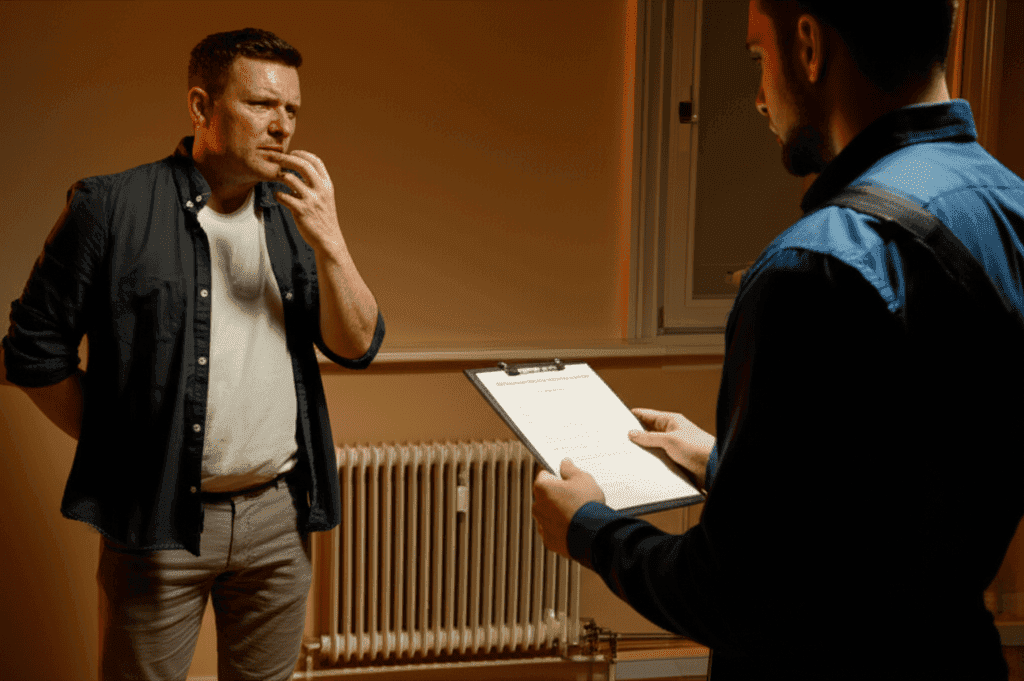
The question of a second heating bill when the initial service doesn’t resolve the issue is a common source of frustration for homeowners. A recent MarketWatch article highlights this very predicament, posing the question: Should you pay a second time when your heating engineer fails to fix your radiators on the first visit?
A homeowner, let’s call her Sarah, contacted a heating engineer to address issues with her radiators shutting off and intermittent hot water. She suspected a water-pressure issue and communicated this to the engineer beforehand. He charged $140 for the initial visit, but the problem resurfaced a week later. The engineer then returned, claiming he lacked a necessary part previously, and presented a second heating bill for $180, including $40 for the part.
The Customer’s Perspective
Sarah felt it was unfair to pay for labor twice, arguing that the initial fee should have covered a complete fix. She was willing to pay for the part but not the additional labor cost. This raises the crucial question: What are your rights as a consumer when a service isn’t rendered effectively the first time?
Quentin Fottrell, The Moneyist columnist, sides with the customer, stating that the engineer should have addressed the problem fully during the first visit, especially given Sarah’s accurate assessment of the issue. While acknowledging the complexities of heating systems, Fottrell highlights that charging twice for the same unresolved problem seems unethical.
The Heating Engineer’s Argument
The engineer’s perspective is that each visit constitutes a separate job unless otherwise agreed upon. He incurred costs in terms of time and expertise during both visits. Furthermore, he argues that diagnosing and repairing heating systems can be complex, justifying the need for a second visit and additional charges.
However, Fottrell counters this by pointing out that the engineer conceded to not having the necessary sealant during the first visit. This suggests a lack of preparedness and potentially negligent service, further weakening his claim for a full second payment.
Navigating the Grey Area of Home Repairs
Situations like these often fall into a grey area, where expectations and unspoken agreements clash. It’s essential to establish clear terms and conditions before engaging any service provider. In this case, a prior agreement on the scope of work and potential follow-up charges could have prevented the dispute.
“Ethics and etiquette often exist in that grey area, and you will have to decide whether calls and letters from the company and, possibly, a collection notice is worth $180.”
Fottrell recommends negotiating with the heating company, emphasizing the fact that the problem persisted after the initial visit. He suggests waiting to see if the second visit resolves the issue before making a payment decision. If the problem persists, seeking a second opinion from another engineer might be necessary. For related Finance news, see our other articles.
Resolving the Payment Dispute
Ultimately, the decision of whether to pay the second heating bill rests on a balance of factors. While Sarah owes at least the cost of the part ($40), the labor charge is debatable. A reasonable compromise might involve paying a reduced fee for the second visit, acknowledging the engineer’s time while also reflecting the incomplete service provided initially.
The most important lesson here is to always communicate clearly with service providers, establish expectations upfront, and document all agreements to avoid misunderstandings and potential disputes in the future. It’s also wise to check online reviews and ratings before hiring any professional.
Source: MarketWatch


