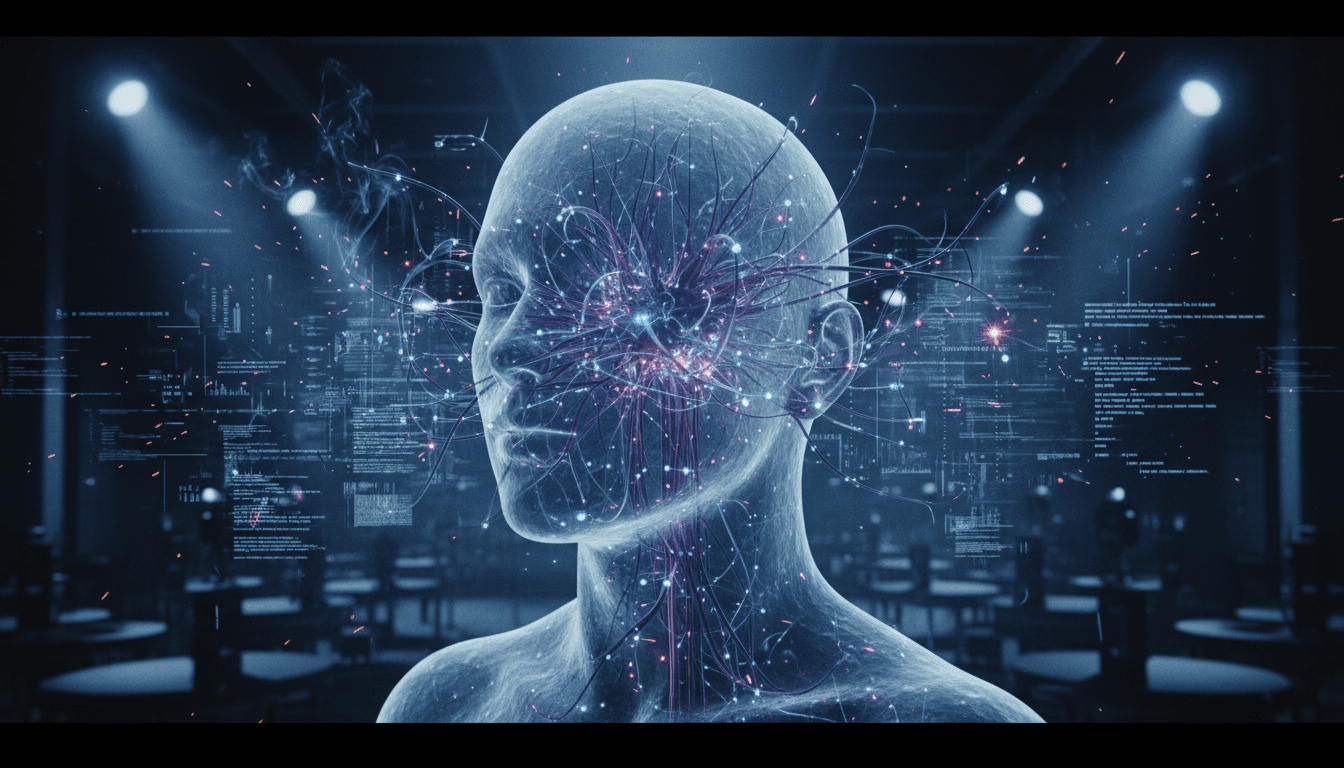
Reverse-engineering human cognition and decision-making is emerging as a pivotal field, with implications reaching far beyond theoretical understanding into the very fabric of our modern economic and technological landscapes. Cognitive processes are not something that we generally pay much attention to until something goes wrong, but they cover the entire scope of us ingesting sensory information, the processing and interpretation of that data, and ultimately, the decisions we make based on it.
The ability to deconstruct these intricate mental operations offers unprecedented opportunities for innovation, from enhancing artificial intelligence to revolutionizing how businesses approach consumer behavior. In an age dominated by data and complex systems, understanding the underlying mechanisms of human thought provides a strategic advantage for industries seeking to optimize interactions, predict trends, and design more intuitive technologies.
Unpacking the Neural Networks of Decision-Making
Modern advancements in neuroscience, psychology, and computational modeling are converging to provide a clearer picture of how our brains process information and arrive at conclusions. Researchers are using sophisticated tools, from fMRI scans to advanced algorithms, to map neural pathways and identify the specific cognitive biases that influence our choices. This granular understanding allows for the development of predictive models that can anticipate human reactions in various scenarios, a capability invaluable for sectors like finance, marketing, and cybersecurity.
For financial institutions, this means a deeper insight into investor psychology, enabling more robust risk assessment and tailored product offerings. In marketing, it translates to campaigns that resonate more profoundly with target audiences by appealing directly to their inherent cognitive frameworks. The implications for ethical considerations are also profound, as the power to influence decision-making necessitates careful governance and responsible application of these insights.
“The capacity to understand and model human cognitive processes is not just an academic pursuit; it’s a foundational step towards building more resilient systems and fostering more effective human-computer interaction in every industry.”
Reverse-Engineering Human Cognition for Market Advantage
The practical applications of reverse-engineering human cognition are vast and continue to expand. Businesses are increasingly leveraging these insights to design user interfaces that minimize cognitive load, create personalized experiences that feel intuitive, and even develop training programs that optimize learning and retention. This isn’t about manipulation but about creating environments and tools that align seamlessly with how the human mind naturally operates. Consider the design of a trading platform: understanding how traders process vast amounts of data under pressure can lead to interfaces that present critical information in a more digestible and actionable format, reducing errors and improving performance.
Furthermore, the insights gained from deconstructing human thought are feeding directly into the advancement of artificial intelligence. By mimicking human cognitive architectures, AI systems can become more adaptable, capable of learning from ambiguous data, and better at solving complex, real-world problems. This symbiotic relationship between understanding human intelligence and developing artificial intelligence is driving a new era of innovation.
Ethical Frontiers and Future Prospects
As we continue to delve deeper into reverse-engineering human cognition, ethical considerations become paramount. The ability to predict and potentially influence human behavior carries significant responsibilities. Discussions around data privacy, algorithmic bias, and the potential for misuse of cognitive insights are crucial as this field matures. Regulatory frameworks will need to evolve to keep pace with technological advancements, ensuring that these powerful tools are used for societal benefit rather than exploitation.
The future promises even more sophisticated models of human thought, leading to breakthroughs in personalized medicine, education, and even urban planning. The journey to fully understand and effectively apply the principles of reverse-engineering human cognition is a long one, but its potential to transform industries and improve human well-being is undeniable. This ongoing exploration will continue to redefine the boundaries of what’s possible in a modern, interconnected world. You can find more related Industries news on our platform.