
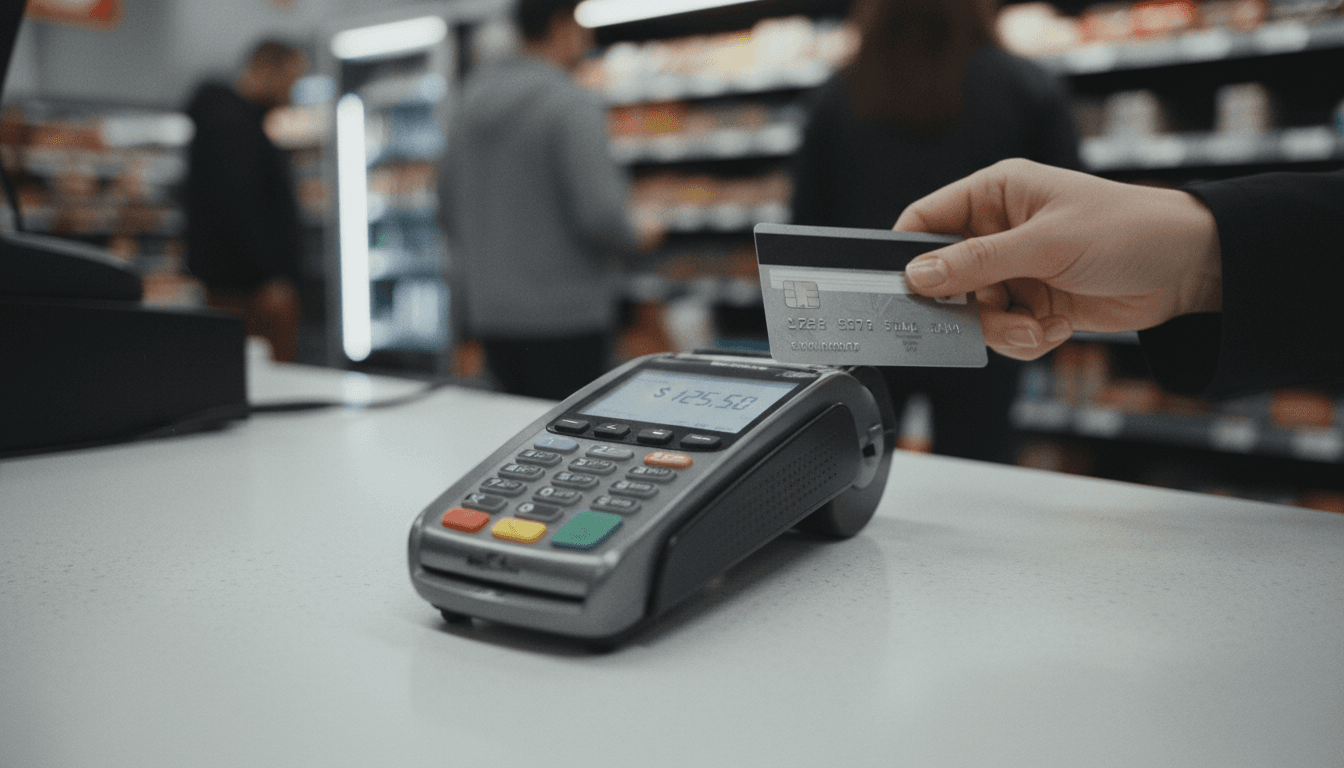
Retail sales jump in the U.S. posted its biggest gain in three years during March, a development that, while initially positive, is largely attributed to surging gasoline prices and persistent inflation. This surge in consumer spending, reported by MarketWatch, suggests a resilient consumer base, yet also flags potential economic headwinds if inflationary pressures do not soon abate. The increase, which reached a three-year high, paints a complex picture for economic observers and policymakers alike.
Understanding the Retail Sales Jump Drivers
The latest data reveals that the significant boost in retail activity was not solely a reflection of increased purchasing power or discretionary spending. A substantial portion of the increase can be directly linked to the rising cost of essential goods, particularly fuel. As gas prices climb, the nominal value of retail sales, especially at gas stations, naturally increases. This phenomenon inflates the overall retail sales figures, potentially masking underlying trends in consumer behavior that are less robust. While consumers are clearly not showing any quit in their spending habits, the composition of that spending is critical for assessing economic health.
“The latest retail figures highlight a consumer sector that, despite inflationary pressures, continues to spend, but the underlying drivers warrant close scrutiny to distinguish between genuine economic strength and price-driven gains.”
Beyond gasoline, broader inflationary trends across various sectors have also contributed to the elevated sales numbers. From groceries to durable goods, higher prices mean consumers are spending more to acquire the same, or even fewer, items. This dynamic, while boosting top-line sales figures, can erode real purchasing power over time. The Federal Reserve, keenly watching these indicators, will weigh the implications of this sustained spending against its ongoing efforts to manage inflation. A continued retail sales jump fueled by price increases could complicate future monetary policy decisions.
Consumer Resilience Amidst Rising Costs
Despite the inflationary environment, American consumers are demonstrating remarkable resilience. The willingness to continue spending, even as prices for everyday necessities rise, indicates a certain level of confidence or perhaps a necessity to maintain current consumption patterns. This continued activity is a lifeline for many businesses, preventing a sharper economic slowdown that might otherwise occur under similar inflationary conditions. However, this resilience has its limits. Prolonged periods of high inflation without corresponding wage growth can eventually strain household budgets, leading to a pull-back in discretionary spending. For more insights into the broader economic landscape, explore our related Finance news.
The Inflationary Tightrope Ahead
The current economic situation presents a delicate balancing act for policymakers. While a robust retail sales jump is generally viewed as a positive sign of economic activity, the specific drivers behind this growth cannot be ignored. If inflation continues its upward trajectory, fueled by factors like high energy prices, the risk of an economic slowdown or even a recession increases. The challenge lies in cooling inflation without stifling consumer demand entirely. The coming months will be crucial in determining whether the current spending spree is sustainable or merely a temporary surge driven by unavoidable cost increases.
In conclusion, the significant retail sales jump to a three-year high in March showcases the enduring strength of the U.S. consumer, even in the face of persistent inflation and soaring gasoline prices. While this spending provides a short-term boost to economic indicators, the underlying reliance on price increases rather than genuine demand growth presents a nuanced and potentially challenging outlook for the economy if these inflationary pressures do not ease soon.


