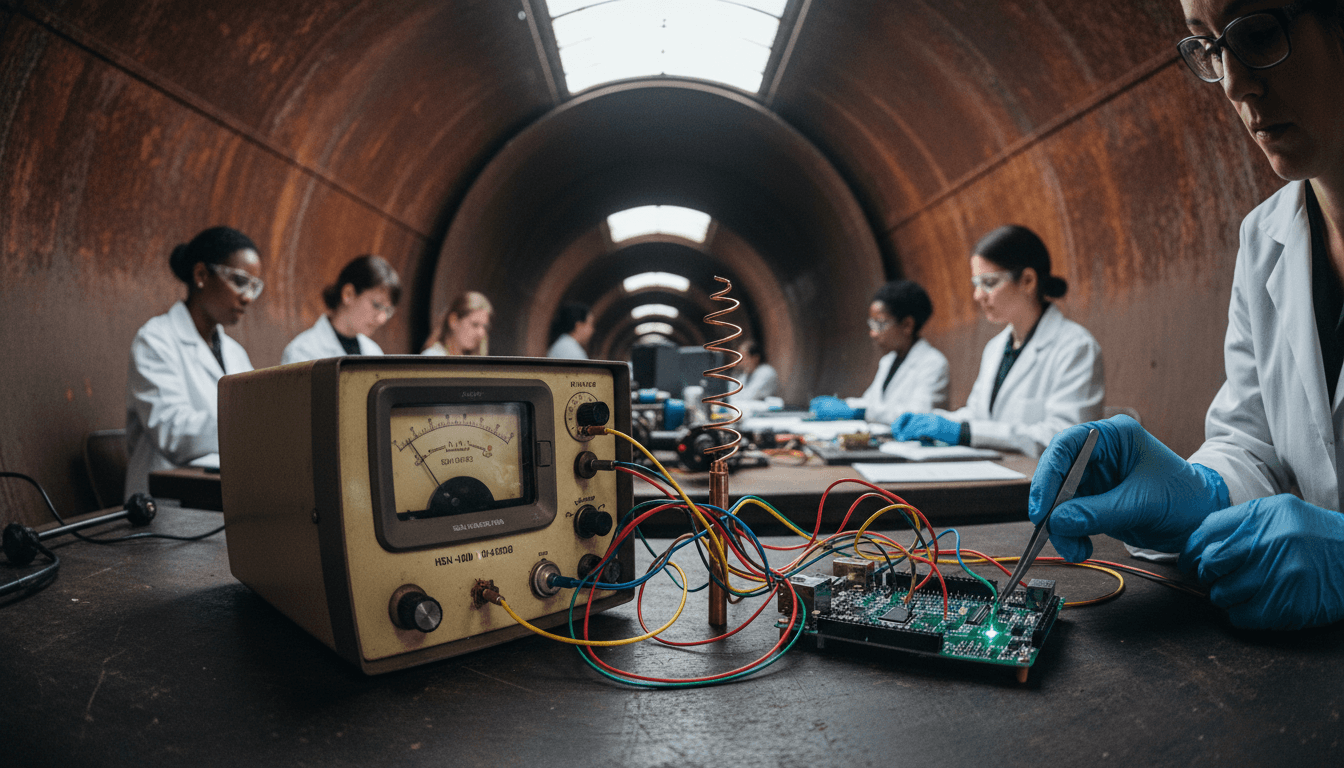
Replicating nuclear event detector technology, once confined to Cold War-era government facilities, is now inspiring a new wave of citizen science and open-source innovation. Last year, we brought you a story about the BhangmeterV2, an internet-of-things nuclear war monitor. With a cold-war-era HSN-1000 nuclear event detector at its heart, it had one job: announce a nuclear detonation. This year, the project has evolved, moving beyond mere monitoring to actively engage a community in understanding and building such critical detection systems.
The Evolution of Citizen Science in Detection
The original BhangmeterV2 project captured significant attention, not just for its audacious goal of monitoring nuclear events, but for its accessible approach to complex technology. It demonstrated that sophisticated detection capabilities could be demystified and replicated by hobbyists and independent researchers. This shift from exclusive government control to open-source development marks a pivotal moment in how society approaches global security challenges. The movement is about empowering individuals with knowledge and tools, fostering a deeper public understanding of the technologies that shape our world.
“The democratisation of detection technology is not about fear-mongering, but about fostering transparency and informed public discourse on critical global issues.”
This evolving landscape of citizen science, particularly in areas like replicating nuclear event detector systems, has broader implications for industries beyond just defence. The methodologies and collaborative spirit driving these projects can accelerate innovation in environmental monitoring, disaster preparedness, and even advanced manufacturing. Companies within the related Industries news sector are increasingly looking at open-source models to spur development and reduce R&D costs.
Replicating Nuclear Event Detector: From Concept to Community
The journey from a single, internet-connected device to a community-driven initiative for replicating nuclear event detector systems highlights a growing trend. Projects like these encourage active participation, allowing individuals to contribute to the development and refinement of sophisticated sensors and data analysis techniques. This collaborative model not only improves the technology but also builds a more resilient and informed populace, capable of understanding and engaging with complex scientific challenges.
The project’s focus on leveraging readily available components and open-source software makes the process of replicating nuclear event detector accessible to a wider audience. It’s a testament to how modern technology, combined with a spirit of curiosity, can lead to groundbreaking advancements, even in fields traditionally dominated by large institutions. The implications for educational initiatives and skill development are immense, providing practical experience in electronics, programming, and data science.
Future Implications for Security and Innovation
The advancements in replicating nuclear event detector systems, driven by enthusiast communities, pose interesting questions for national security and international relations. While the primary goal is often educational and experimental, the underlying technology has serious implications. It underscores the dual-use nature of many innovations and the importance of responsible development. As these capabilities become more widespread, discussions around their ethical use and potential impact on global stability will undoubtedly intensify.
Ultimately, the effort to build and understand these complex systems, such as replicating nuclear event detector technology, represents more than just a hobby. It’s a powerful demonstration of how open science and collaborative engineering can push boundaries, inform public understanding, and potentially influence future policy, all while fostering a new generation of innovators.