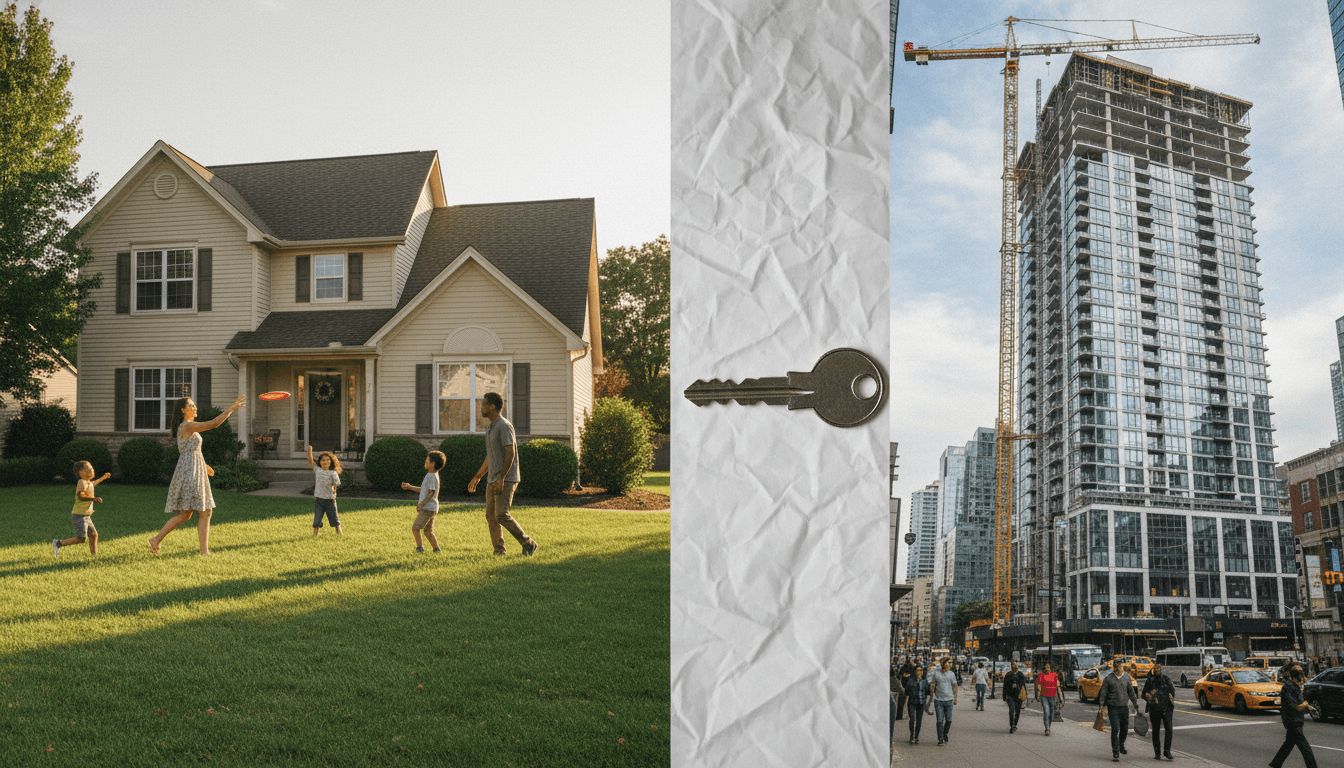
A significant rental gap widens to a record high between single-family homes and multifamily units, according to a recent report from Wolf Street on May 1, 2026. This divergence in asking rents across 14 major U.S. metropolitan areas has more than doubled since the pre-pandemic era, reaching an unprecedented 26.7% in March 2026, with single-family rents substantially outpacing their multifamily counterparts.
The data reveals a stark contrast in rental market performance. Since January 2020, mid-tier multifamily asking rents have climbed by 32% nationwide, yet mid-tier single-family asking rents have exploded by an impressive 51% over the same period. This indicates a sustained and robust demand for single-family rental properties, fundamentally reshaping the rental landscape.
Understanding the Record Rental Gap Widens
The widening disparity isn’t uniform across the nation. In metropolitan areas like Denver, the gap between multifamily and single-family rents is a staggering 71%. Los Angeles follows closely at 66%, with Dallas-Fort Worth at 54% and Phoenix at 51%. In contrast, major cities such as Boston (20%), Chicago (17%), and New York City (13%) show a narrower, though still significant, difference. This regional variation underscores localized market dynamics and housing preferences.
“The persistent demand for single-family rentals, fueled by demographic shifts and evolving lifestyle preferences, is a key driver behind the widening gap.”
Overall, the U.S. rental market comprises approximately 50 million units. Single-family rental homes (SFRs) account for about 15 million of these, representing 30% of the total. A substantial 82% of these SFRs are managed by “mom-and-pop” landlords, highlighting the fragmented nature of this segment compared to the often institutionally owned multifamily sector.
Factors Driving Rent Divergence and Market Pressures
Several intertwined factors explain why the rental gap widens. The pandemic spurred a significant surge in demand for single-family homes, as remote work policies and a desire for more space, privacy, and yards became paramount. This shift has endured, partly due to millennials, a large demographic cohort now in their 30s, seeking more spacious living arrangements for growing families. These demographic tailwinds continue to support strong demand for single-family rentals.
Conversely, the multifamily market faces considerable pressure from an influx of new construction, particularly high-end apartments and condos. This oversupply, especially pronounced in fast-growing Sun Belt markets, has led to increased vacancies and tempered rent growth. Multifamily asking rents have remained largely flat month-to-month for eight consecutive months, after seasonal adjustments, indicating a saturated market in many areas. This contrast in supply dynamics is a critical element in understanding the divergent rent trajectories.
Homeownership Barriers and Future Rental Market Outlook
Elevated mortgage rates, hovering around 6% in March 2026, coupled with persistently high home prices, continue to create significant barriers to homeownership. Many individuals aspiring to own are consequently opting for single-family rentals, sustaining robust demand in this segment. This dynamic ensures that even as rent growth in single-family homes begins to cool, it remains stronger than in the multifamily sector.
While single-family rent growth has been robust, it has shown signs of moderation, with a 1.1% year-over-year increase in February 2026. Zillow forecasts single-family rents to rise by 1.8% in 2026, while multifamily rents are projected to see a more modest 0.6% increase. This suggests a gradual rebalancing of the overall rental market, potentially leading to improved affordability as income growth outpaces rent increases. However, the sustained and record-setting divergence, where the rental gap widens, underscores fundamental shifts in housing preferences and the evolving landscape of the U.S. housing market. For more in-depth analysis, explore our related Finance news.