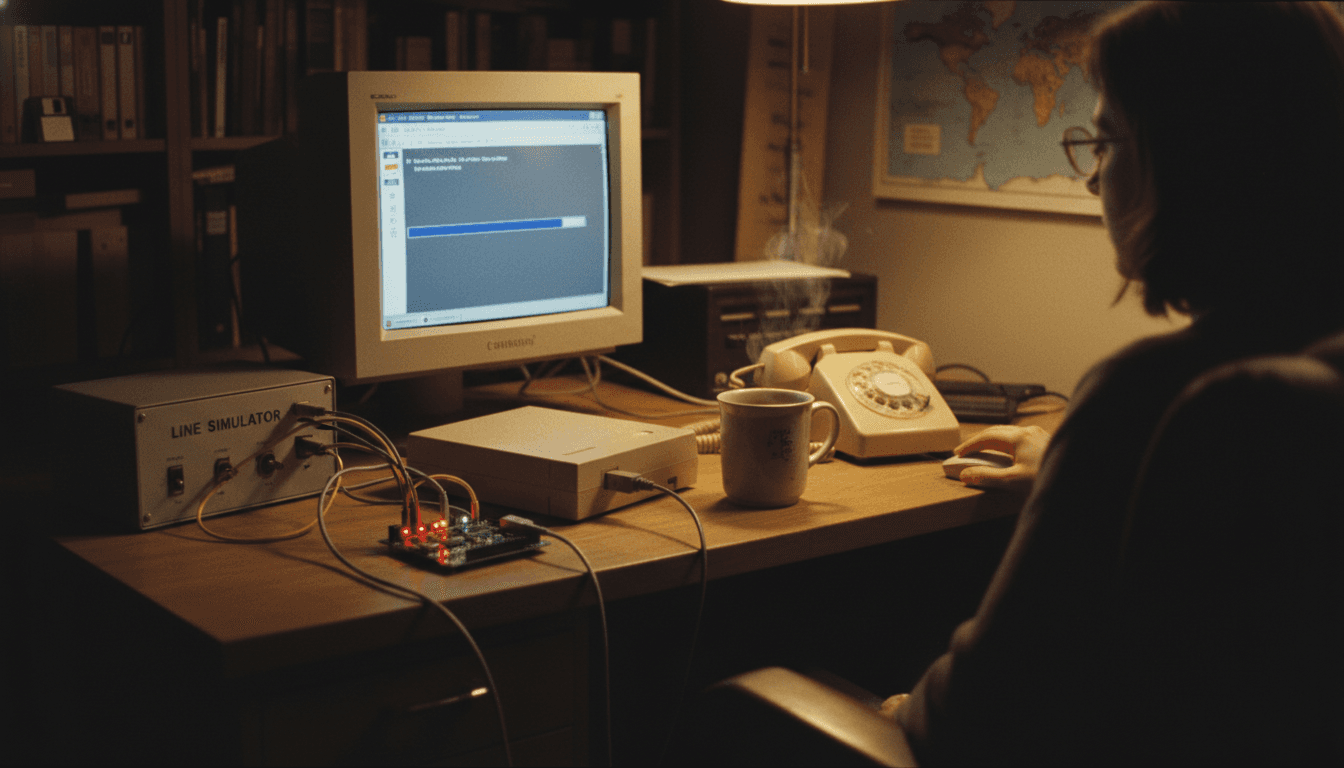
Raspberry Pi dialup ISP is making waves in the retro-computing community, offering a fascinating glimpse into the internet’s past. In the golden age of dial-up, a plethora of tiny, local internet service providers dotted the landscape. While many have faded with the advent of broadband, none were quite as diminutive or ingenious as Jeff Geerling’s Pi ISP. This innovative project was conceived to bring a G3 MacBook back online at a nostalgic 36kbps, precisely as its creators once envisioned.
At the heart of this retro revival is a Raspberry Pi, connected to a vintage computer via a USB modem. The crucial element bridging these components is a ‘two-way line simulator,’ a device commonly used in correctional facilities to facilitate inmate-visitor phone calls. This simulator is essential for generating the authentic dial tone and creating a plain-old-telephone system (POTS) environment, perfectly mimicking the infrastructure of yesteryear’s internet access.
“The ingenuity of using a Raspberry Pi and a prison phone line simulator to resurrect dial-up internet is a testament to the enduring spirit of innovation in the tech community.”
The technical limitations inherent to POTS mean that speeds are capped at around 36 kbps, even with top-tier equipment. Cheaper alternatives might even push speeds down to a classic 28k, mirroring the ‘you get what you pay for’ reality of early internet access. While this technology can simply connect two computers, Geerling’s contribution goes further. He has developed an easy-to-install software package via Ansible, transforming the Raspberry Pi into a fully functional ISP server, enabling connection to the World Wide Web.
The Challenge of Modern Web with a Raspberry Pi Dialup ISP
Accessing the modern web with a Raspberry Pi dialup ISP presents significant challenges. Today’s websites are not designed for such speeds; Hackaday’s front page, for instance, weighs approximately 4MB. At 36kbps, loading this page alone would take around 15 minutes, and that’s before even beginning to read the content. Furthermore, older machines often lack support for HTTPS, a fundamental security protocol for most contemporary websites.
To overcome this hurdle, Geerling bundles rdmark’s MacProxyClassic. This clever solution translates the complexities of the modern web into simpler HTML tags that retro browsers like Netscape can understand and display over HTTP. While this doesn’t eliminate the waiting time for today’s ‘web bloat,’ it significantly improves accessibility. For those seeking the truly ‘authentic’ dial-up experience, MacProxyClassic includes a Wayback Machine extension, allowing users to browse lightweight webpages from yesteryear, offering a genuine trip down memory lane without the need for a separate Wayback proxy.
Reconnecting with Retro Computing and the Digital Past
This project is more than just a technical feat; it’s a powerful statement about the enduring appeal of retro computing and the desire to reconnect with the digital past. The creation of a Raspberry Pi dialup ISP is a fascinating exploration into the foundational technologies that shaped our digital world. It highlights how readily available, low-cost hardware can be repurposed to bridge technological eras, offering unique insights into the evolution of internet access. For enthusiasts, it’s an opportunity to experience the internet as it once was, complete with the distinctive modem handshake and the patient anticipation of a page loading. This innovative approach not only serves a nostalgic purpose but also provides valuable lessons in network architecture and resourcefulness within related Industries news.
The initiative by Jeff Geerling exemplifies the creative spirit thriving within the tech community, demonstrating that even the most outdated technologies can find new life through ingenious applications. It’s a reminder that while the internet has transformed dramatically, the underlying principles of connection and communication remain.