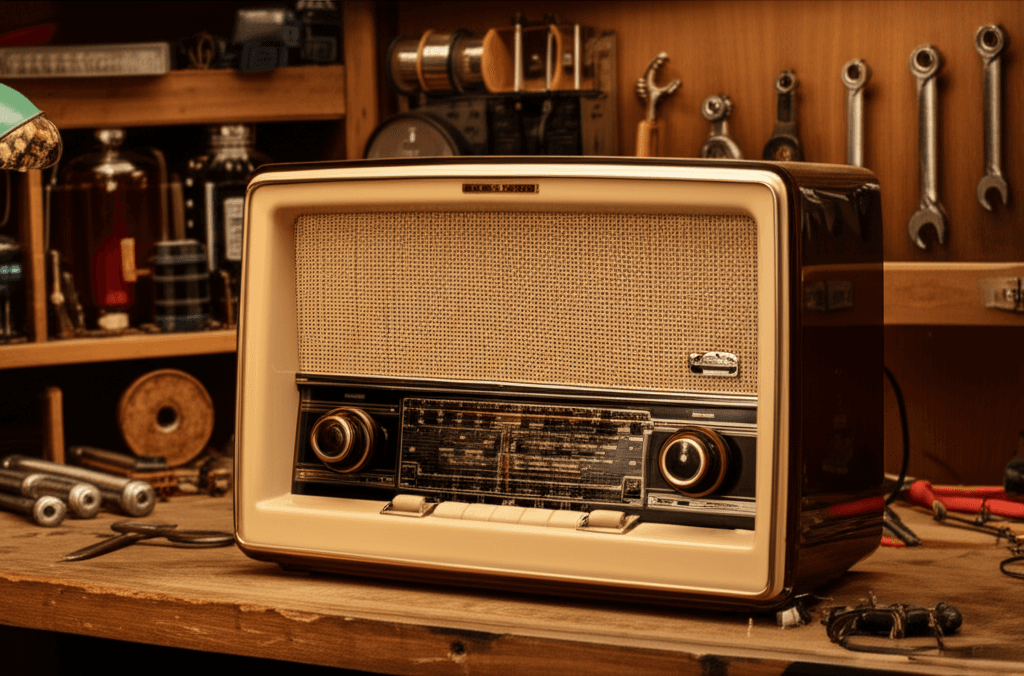
The art of radio restoration project takes center stage as enthusiasts seek to revive vintage electronics rather than replace them with modern components. David, with his 1948 GE radio, exemplifies this inclination, although safety and period-correct immersion presented initial challenges. His journey highlights a thoughtful approach to preserving history while ensuring safety in the modern era.
David’s primary concern was safety. The original radio’s chassis posed an electrocution hazard, mitigated only by its plastic housing. To address this, he implemented an isolation transformer with a modern polarized power cable. Following this critical update, he systematically replaced the ancient capacitors. With these key changes, the radio sprang back to life, successfully receiving AM radio broadcasts. Further enhancing its functionality, David ingeniously added a 3.5mm audio jack, blending vintage charm with modern convenience.
Navigating the Challenges of Radio Restoration
Restoring antique radios presents unique hurdles. Beyond the immediate safety concerns, sourcing period-correct components can be difficult. Often, creative solutions or carefully selected modern replacements are necessary to maintain the radio’s original aesthetic and functionality. David’s project demonstrates a commitment to preserving the radio’s soul while addressing practical limitations.
“The beauty of restoring vintage electronics lies in the balance between preserving history and ensuring safety and usability.”
The second phase of David’s radio restoration project involved recreating the authentic AM transmission experience. Inspired by the FieldStation42 project, designed to simulate cable TV, David collaborated with its creator, Shane, to adapt it for audio. A standout feature is the simulated radio world’s continuous play; when a user tunes away from a station, the broadcast doesn’t pause but continues as if time is passing in the background. This adds a layer of realism and immersion, enhancing the overall listening experience.
Preserving History with Modern Touches
While embracing modern safety standards, David aimed for period-correct immersion. The small modification to allow audio via a 3.5mm jack is an inspired touch of genius. His work highlights that preserving vintage electronics is possible without compromising on safety.
The Future of Vintage Radio Restoration
David’s project serves as an inspiration for others interested in vintage electronics. With resources like his GitHub page, enthusiasts can learn from his experiences and contribute to the growing community of restorers. This collaborative spirit ensures that the knowledge and skills needed to preserve these pieces of history are passed on to future generations. The attention to detail is everything, ensuring the radio restoration project is a success.
Investing in Vintage Electronics: A Growing Trend
The interest in vintage electronics extends beyond mere nostalgia. Many collectors and enthusiasts view these items as investments, appreciating their historical significance and potential value. As the supply of well-preserved or skillfully restored vintage radios diminishes, their value is likely to increase. This makes projects like David’s not only rewarding from a personal standpoint but also potentially lucrative. More people are turning to related Industries news to stay ahead of the trends.
Ultimately, David’s radio restoration project showcases a harmonious blend of preservation and practicality. By prioritizing safety while embracing modern conveniences, he has breathed new life into a 1948 GE radio, transforming it into a time machine that connects us to the past. The project is a testament to the enduring appeal of vintage electronics and the dedication of those who seek to preserve them.
Source: Hackaday