New property tax changes announced in the federal budget on May 12, 2026, are poised to reshape Australia’s housing market, with the Albanese-Chalmers government taking a ‘seek forgiveness, not permission’ approach to tackle affordability. These reforms, targeting negative gearing and the capital gains tax (CGT) discount, aim to level the playing field for first home buyers and steer investment towards more productive assets. The changes, effective from July 1 next year, will restrict negative gearing to new builds only and revert the CGT discount to indexation, moving away from the 50 percent discount introduced by then-treasurer Peter Costello in September 1999.
The government’s strategy marks a significant departure from previous attempts at tax reform, notably Bill Shorten’s unsuccessful bid in the 2019 election. Unlike Shorten or John Hewson with his 1993 ‘Fightback’ package, Albanese and Jim Chalmers have bypassed an electoral mandate for these controversial changes. A key aspect of the reforms is the grandfathering of existing property investors, allowing them to continue deducting rental losses from properties owned or contracted before the budget announcement. This measure, according to the government, is designed to ensure market stability and prevent a sudden influx of properties hitting the market, a political and practical necessity given the nearly three-decade-long entrenchment of these tax breaks.
Impact Analysis of Property Tax Changes
The primary objective of these property tax changes is to revive flagging home ownership rates, particularly among younger Australians. Treasury modelling projects approximately 75,000 additional owner-occupiers over the next decade, a move intended to reverse a decade of decline in home ownership for the 25-34 age demographic. By curtailing negative gearing on existing properties, the government expects to reduce the purchasing power of many investors, thereby creating a more equitable environment for owner-occupiers who cannot deduct mortgage payments. However, the changes are not a panacea; home ownership rates are still expected to remain below early 2000s levels.
In terms of housing prices, the government anticipates a modest and temporary slowing of growth, estimating prices will grow by around 2 percent less over a couple of years compared to a scenario without these reforms. This aligns with predictions from institutions like the Grattan Institute and other economists, who forecast a 1-4 percent reduction in home prices relative to an unchanged policy. While this is a modest improvement against a backdrop of nearly 10 percent national home price surges, some market economists argue these estimates might underestimate the short-term shock, potentially leading to a larger, temporary price dip due to increased investor sales, especially amid rising interest rates and slowing rental growth.
“The reduction in investor demand is expected to lead to a small and temporary slowing in house price growth, estimated to see prices grow by around 2 per cent less over a couple of years relative to no tax policy change,” the government estimates.
Rental impacts are also projected to be minimal, with Treasury expecting an increase of less than $2 per week for a household paying the current median rent, a figure Grattan research suggests may be even smaller. The intergenerational inequality aspect is a significant driver, with Chalmers stating the budget aims to “renewing the fundamental bargain between generations, to help bring the dream of home ownership within reach of more young Australians.” However, the grandfathering clause has drawn criticism, as it largely protects baby boomers and Gen Xers who already hold investment properties, while denying similar tax breaks to aspiring younger investors, including ‘rentvestors’.
Another long-term aim is to reorient Australia’s investment landscape. The government hopes these reforms will encourage investment decisions based on pre-tax returns rather than tax incentives, fostering a shift towards ‘productive assets’ over simply ‘flipping existing houses’. UBS equities analyst Richard Schellbach anticipates a modest reallocation of funds from property to the share market. However, he cautions that this shift might favor ‘income stocks’ with franked dividends over speculative, high-growth stocks, potentially diverting capital from productivity-boosting startups to more established blue-chip companies.
Increasing Housing Supply
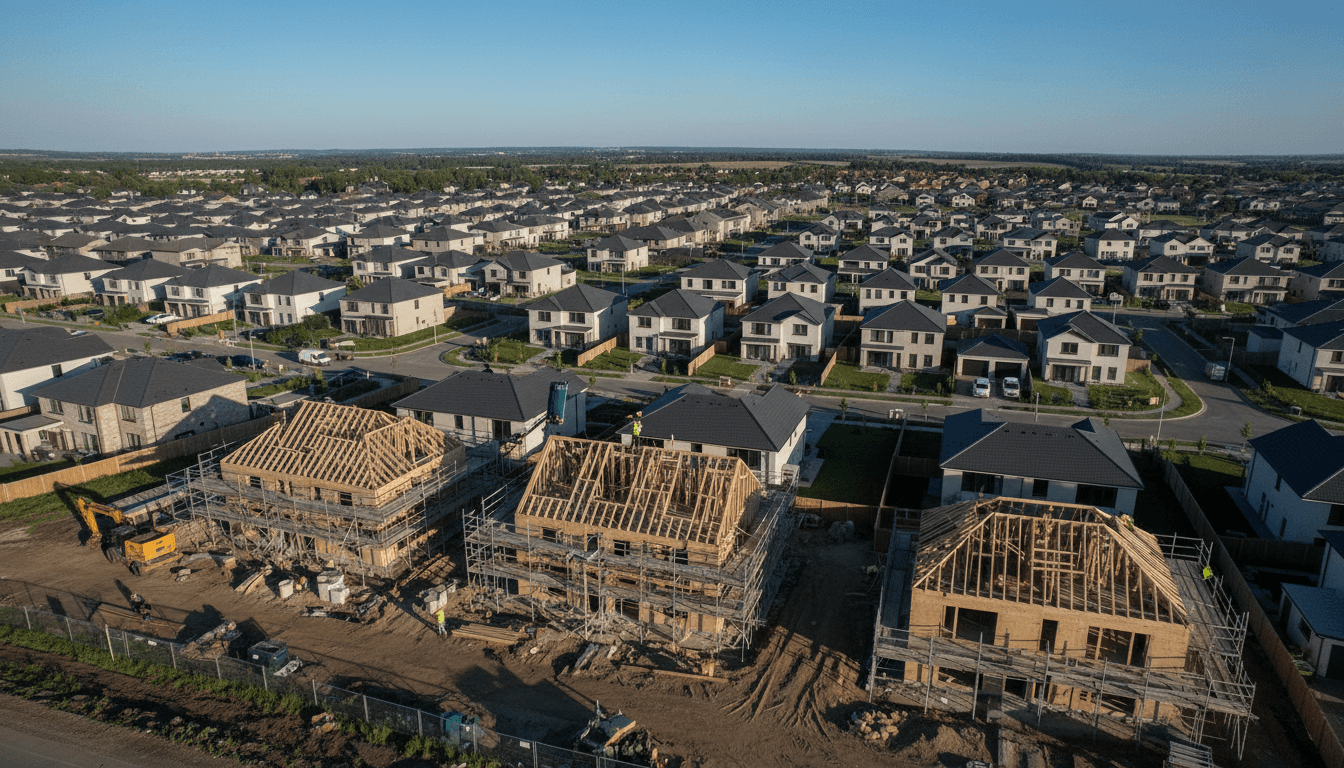
A critical component of the government’s strategy is to increase housing supply. Building on efforts with states and territories to streamline environmental and planning regulations, the budget introduces incentives for investment in new housing. Investors in new builds will continue to benefit from negative gearing and will have a choice between the indexation method or the 50 percent CGT discount upon sale. Furthermore, a 60 percent capital gains tax discount will be retained for specific types of new housing, further encouraging development in this sector. This dual approach of disincentivizing investment in existing properties while incentivizing new construction aims to address the structural undersupply in the housing market, a foundational issue underpinning Australia’s affordability crisis. The success of these property tax changes will ultimately be measured by their ability to not only make home ownership more accessible but also to foster a more balanced and efficient investment ecosystem.