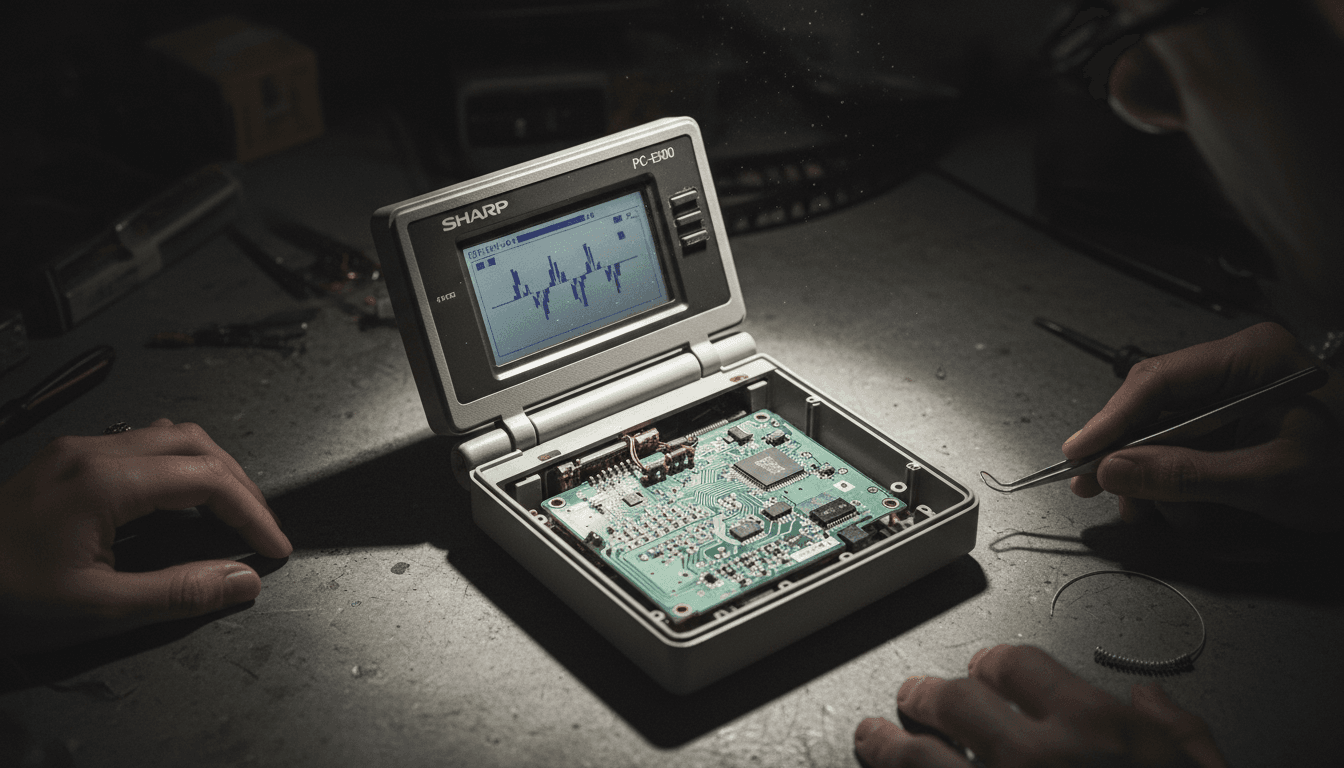
Polyphonic tunes on Sharp PC-E500 are captivating chiptune enthusiasts, pushing the boundaries of what’s possible with vintage hardware. If you’re a diehard fan of the chiptune scene, you’ve probably heard endless beautiful compositions on the Nintendo Game Boy, Commodore 64, and a few phat FM tracks from Sega’s iconic consoles. However, a lesser-known gem is now taking center stage, offering a rich, multi-layered soundscape that rivals its more famous counterparts.
The Sharp PC-E500, a venerable piece of portable computing from a bygone era, is proving to be an unexpected powerhouse for creating complex musical arrangements. Its unique architecture, while not initially designed for intricate sound synthesis, offers a fascinating canvas for creative audio engineers and musicians. This resurgence in interest highlights a broader trend in the tech community: rediscovering and repurposing older technology for modern artistic expression. The challenge of coaxing vibrant sounds from limited hardware appeals to a specific niche, fostering innovation within constraints.
The Unsung Hero of Chiptune: Sharp PC-E500
While the Game Boy and C64 have well-documented sound chips and robust communities, the Sharp PC-E500 presents a fresh challenge and a new sonic palette. Its sound capabilities, though rudimentary by today’s standards, allow for surprisingly nuanced and expressive music when pushed to its limits. Composers are experimenting with pulse-width modulation, sample manipulation, and clever programming techniques to generate sounds that are both nostalgic and refreshingly original. This exploration is not just about nostalgia; it’s about demonstrating the enduring power of creativity over raw processing power.
“The ingenuity displayed in creating complex polyphonic tunes on Sharp PC-E500 hardware underscores the boundless creativity within the chiptune community.”
The process often involves reverse-engineering existing software or developing entirely new tools to unlock the device’s full audio potential. This dedication speaks volumes about the passion driving the chiptune scene, where technical prowess meets artistic vision. The resulting tracks showcase a depth and complexity that would surprise many unfamiliar with the device’s origins as a pocket computer, not a dedicated music workstation. For more on how industries are innovating with older tech, see our related Industries news.
Programming Polyphony: Techniques and Challenges
Creating effective polyphonic tunes on Sharp PC-E500 requires a deep understanding of its hardware limitations and a willingness to innovate. Unlike modern digital audio workstations, every note, every waveform, and every effect must be meticulously programmed, often in assembly language. This low-level control, while demanding, grants artists unparalleled precision over their sound. The community around the PC-E500 is small but dedicated, sharing techniques and tools that help others navigate the complexities of its sound engine. This collaborative spirit is essential for pushing the boundaries of what these vintage machines can achieve.
The challenge of achieving polyphony—multiple distinct notes playing simultaneously—on a system not explicitly designed for it is particularly engaging. It involves creative use of timing, careful resource management, and often sacrificing other functionalities to prioritize sound output. The resulting sound often has a distinct, gritty character that is highly prized by chiptune aficionados. This unique sonic fingerprint sets music from the Sharp PC-E500 apart, offering a fresh texture within the broader chiptune genre.
The Future of Vintage Sound
The continued interest in creating polyphonic tunes on Sharp PC-E500 and similar vintage hardware suggests a vibrant future for retro computing in artistic fields. It’s a testament to the idea that true innovation isn’t always about the newest gadget, but often about what can be achieved with ingenuity and a fresh perspective on existing tools. As more artists discover the hidden potential of these classic machines, we can expect to hear even more stunning compositions, pushing the boundaries of what we thought possible from the humble pocket computer.