
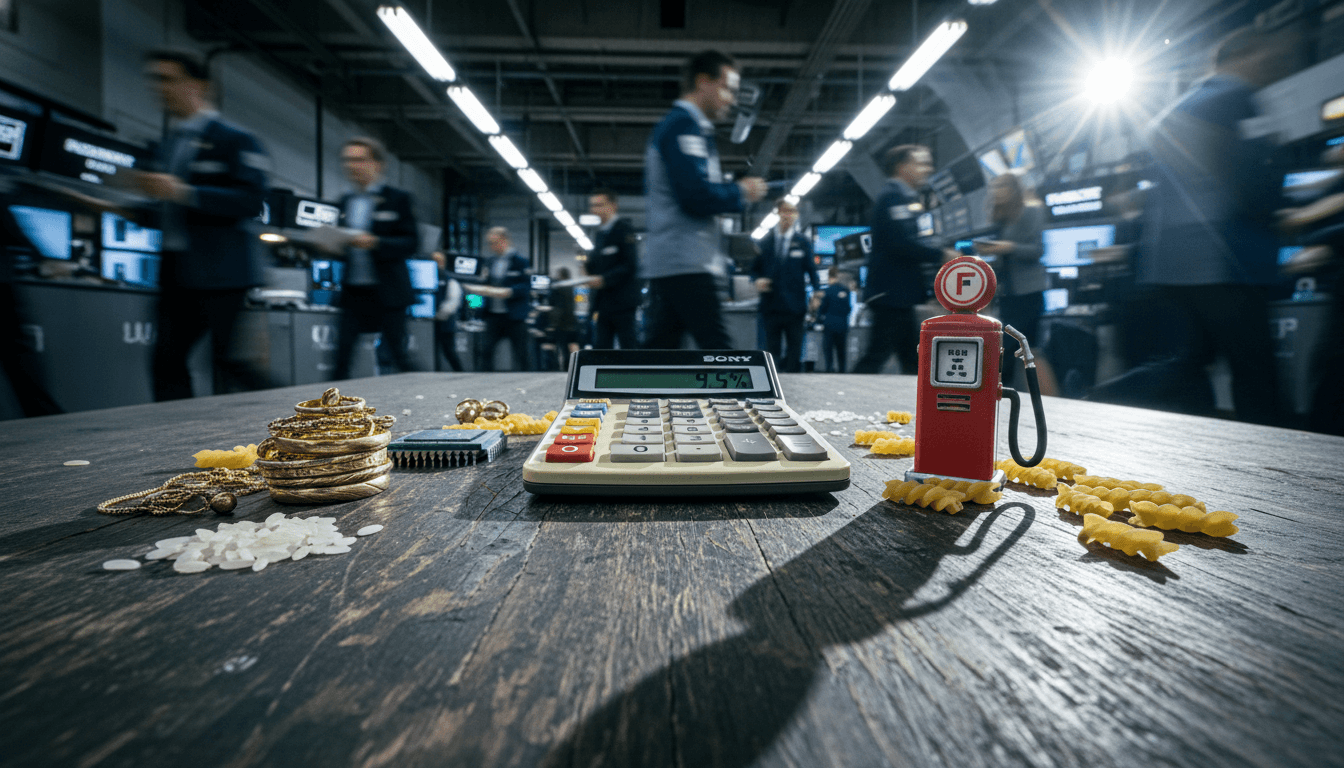
PCE inflation surges further from the Federal Reserve’s 2% target, now nearly double the desired rate and maintaining a trajectory above target for over five years. The all-items Personal Consumption Expenditures (PCE) price index jumped by 0.40% in April from March (+4.9% annualized), building on a significant 0.66% spike (8.3% annualized) in the prior month—the worst surge since mid-2022. Year-over-year, the PCE price index climbed 3.8%, marking the highest level since May 2023. This critical indicator, favored by the Fed, has been moving away from its 2% goal since May 2025, with notable price increases observed even before recent energy spikes.
Food prices are now surging, while the burgeoning AI sector is driving up costs for semiconductors and, consequently, computers. Software subscription prices, too, are increasing as major providers integrate AI functionalities. Services inflation, a significant component, has remained stubbornly high for an entire year, showing no signs of improvement. This broad-based acceleration across various sectors underscores a complex inflationary environment.
Core PCE Inflation Remains Elevated
The core PCE price index, which strategically excludes the volatile categories of energy and food, rose by 0.24% in April from March, translating to a 2.9% annualized increase. This follows four consecutive months of annualized increases ranging from 3.6% to 5.2%. Year-over-year, core PCE inflation reached 3.3%, the highest since November 2023. This measure, also targeted at 2.0% by the Fed, has consistently stayed above this threshold for over five years, bottoming out at 2.6% in April 2025 before steadily moving away from the target.
“The persistent elevation of core PCE inflation, even without factoring in recent food and energy surges, highlights deep-seated pricing pressures across the economy.”
Energy, Food, and Durable Goods Fuel Price Increases
The energy PCE price index saw a substantial 3.9% jump in April from March, coming after an historic 11.6% spike in the previous month. This pushed the year-over-year increase to a significant +18.3%. Despite the US being a major energy producer and exporter, gasoline prices surged, boosting profit margins for retailers, refiners, and oil companies at the consumer’s expense. Food prices also saw a notable increase of 0.49% in April (+6.0% annualized), leading to a 2.5% year-over-year rise, the worst since September 2023.
Core services, accounting for approximately 60% of the PCE index, increased by 0.22% in April (+2.7% annualized) and have remained in a 3.5% year-over-year range for a full year without improvement. Durable goods prices jumped 0.58% month-over-month (+7.2% annualized), primarily driven by massive spikes in computers and software (+3.7% month-to-month) due to the inflationary AI boom and chip price increases, as well as jewelry prices (+3.7% month-to-month) reflecting the earlier gold price spike. The year-over-year PCE price index for durable goods rose by 3.4%, accelerating for two years and marking the worst increase since October 2022. For more insights, explore our related Finance news.
The latest data underscores a troubling trend where inflation is not only high but also broadening across various economic segments. From essential goods like food and energy to technology and luxury items, the upward pressure on prices appears resilient, pushing the Fed’s preferred inflation gauge further away from its long-held target. This sustained inflationary environment presents ongoing challenges for consumers and policymakers alike.


