
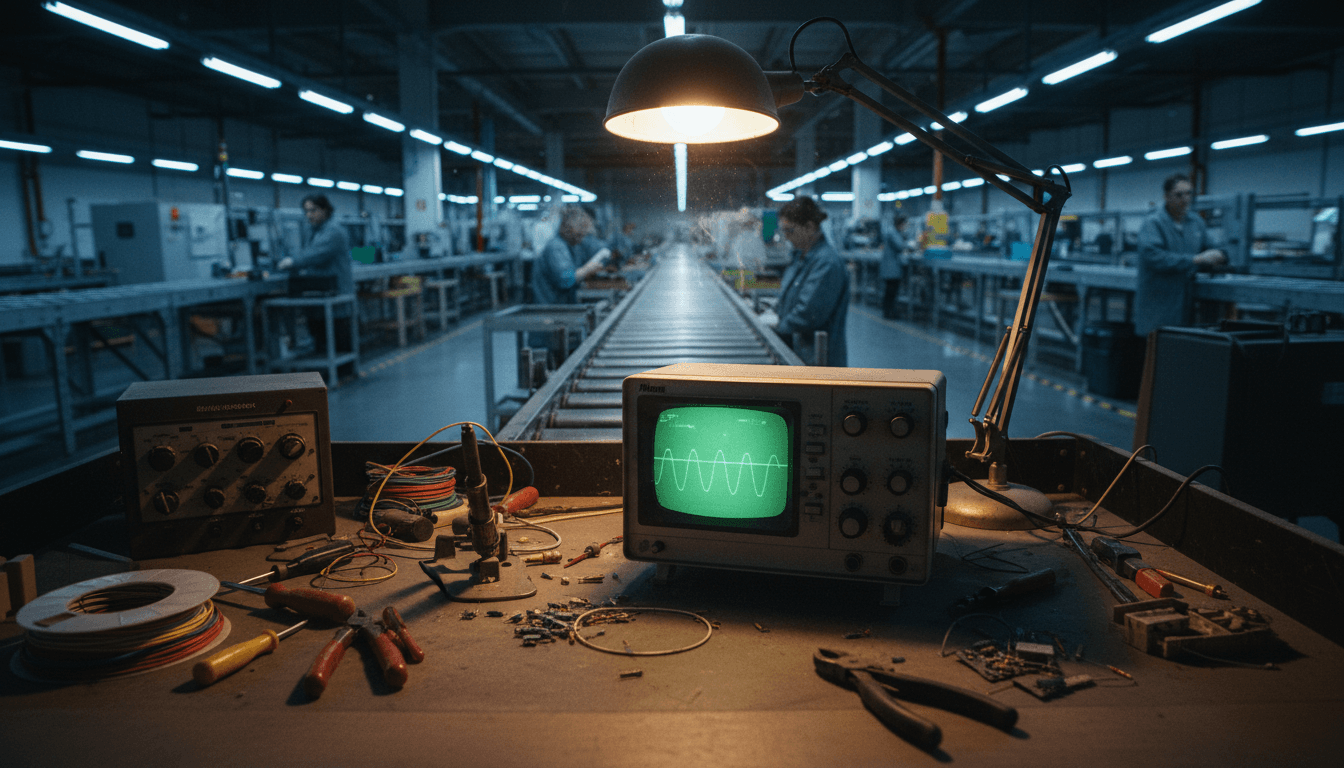
An oscilloscope the way they used to be is sparking renewed interest among tech enthusiasts and engineers, highlighting a fascinating blend of nostalgia and cutting-edge design principles. While modern oscilloscopes offer unparalleled digital precision and features, there’s a growing appreciation for the tactile experience and distinctive aesthetic of their analog predecessors. This shift isn’t just about retro appeal; it speaks to a deeper understanding of how engineers interact with their tools.
The Enduring Appeal of Analog Design
For decades, the analog oscilloscope was the workhorse of electronics labs worldwide. Its immediate visual feedback, direct control over waveforms, and the satisfying glow of its CRT screen created a unique user experience. Many seasoned engineers recall learning their craft on these machines, developing an intuitive feel for signal analysis that modern digital interfaces sometimes abstract away. The focus on direct manipulation and observable phenomena is a key factor in this enduring appeal.
“The simplicity and directness of an analog display often provide insights that can be obscured by complex digital processing.”
This isn’t to say digital oscilloscopes are inferior; they offer capabilities unimaginable in the analog era, such as deep memory, advanced triggering, and sophisticated measurement functions. However, the resurgence of interest in an oscilloscope the way they used to be suggests a desire to reconnect with the foundational principles of electronics measurement, emphasizing clarity over complexity.
Bridging the Past and Future: Modern Analog Revival
The movement towards appreciating an oscilloscope the way they used to be isn’t purely about restoration. It’s inspiring new projects that aim to combine the best of both worlds. Imagine a modern device that captures the directness of analog controls and the iconic visual style, while incorporating robust digital sampling and connectivity for data logging and analysis. Such hybrid designs could offer a powerful tool for education and hobbyists, making complex concepts more accessible.
The community surrounding these classic instruments is vibrant, with enthusiasts sharing schematics, restoration tips, and even custom modifications. This collaborative spirit further fuels the appreciation for these timeless pieces of engineering. For those looking to explore this fascinating intersection of past and present, there are numerous related Industries news and communities dedicated to the art of electronics measurement.
The Financial Standard’s Take on Niche Tech Markets
From an industry perspective, this niche interest in an oscilloscope the way they used to be highlights a broader trend: the market for specialized tools often sees value in heritage and user experience alongside raw performance. Companies that can tap into this sentiment, perhaps by offering premium, retro-inspired versions or hybrid solutions, could carve out a profitable segment. It’s a testament to the fact that innovation doesn’t always mean abandoning the past but often involves reinterpreting it for a new generation.
Ultimately, the renewed fascination with an oscilloscope the way they used to be underscores a fundamental truth in engineering: the best tools are those that facilitate understanding and foster a deeper connection between the user and the technology. Whether for educational purposes, nostalgic appreciation, or simply a different approach to signal analysis, these instruments continue to hold a significant place in the world of electronics.


