Oracle Earnings Impact is the primary focus for Wall Street as the software giant prepares to unveil its fiscal third-quarter 2026 results on March 10. Following a period of unprecedented capital expenditure and significant stock price turbulence, the company faces a watershed moment that will likely dictate the narrative for the broader enterprise software sector. Investors, once content with promises of future growth, are now demanding tangible evidence that the massive pivot toward artificial intelligence is translating into bottom-line results.
Analyzing the Oracle Earnings Impact on Tech Stocks
The anticipation surrounding this report is palpable, with analysts setting an exceptionally high bar for the company. Consensus estimates project revenue to reach approximately $16.9 billion, with non-GAAP earnings per share (EPS) expected to land between $1.70 and $1.74. These figures are not merely numbers on a spreadsheet; they represent the required threshold to restore investor confidence after a volatile second quarter. During that period, despite beating earnings estimates, Oracle missed revenue targets, leading to a sharp 13% single-day decline in share price.
Central to the Oracle Earnings Impact is the company’s ability to convert its staggering $523 billion backlog into realized revenue. This Remaining Performance Obligation (RPO) has surged 438% year-over-year, largely driven by long-term AI training contracts with industry titans such as OpenAI, Nvidia, and Meta. However, a backlog only provides value once it is recognized as income, and the market is growing impatient with the lag between contract signing and cash collection.
“The transition from a legacy software provider to an AI infrastructure powerhouse is a capital-intensive journey that tests the patience of even the most bullish investors.”
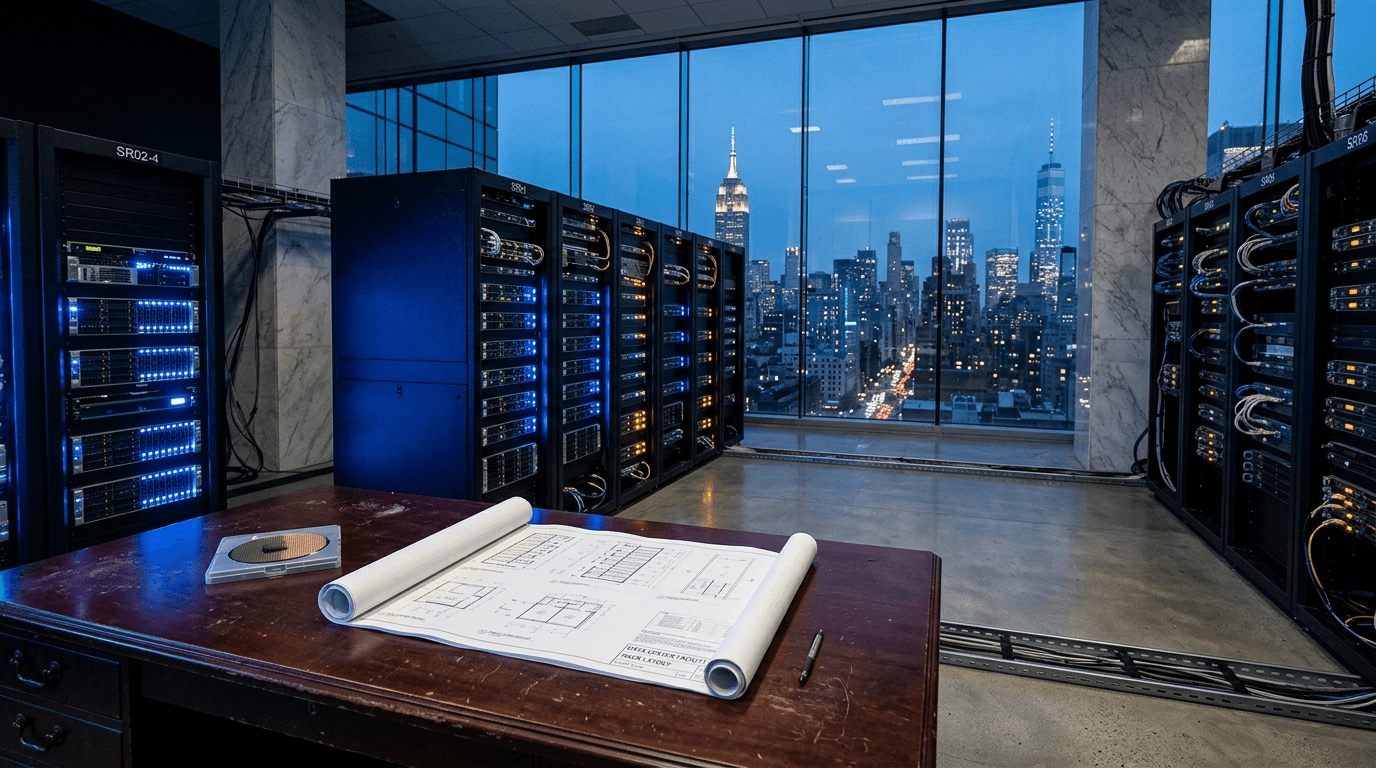
Oracle’s aggressive strategy has come with a substantial price tag. Management recently revised its fiscal 2026 capital expenditure (CapEx) guidance upward to $50 billion, a significant jump from the previous $35 billion estimate. This capital is being funneled into the construction of massive data centers, including the high-profile “Stargate” project. While these facilities are essential for hosting high-density AI workloads, the immediate financial strain is evident. In the previous quarter, free cash flow swung to a negative $10 billion, and the company continues to navigate a heavy debt load of approximately $124 billion.
The J-Curve and Infrastructure Spending
The current market sentiment reflects a classic “J-curve” scenario, where heavy upfront costs precede eventual revenue gains. This has led to a turbulent year for shareholders, with the stock falling roughly 54% from its September 2025 peak. Fears of an “AI bubble” have replaced the euphoria of early 2025, as investors weigh the potential Oracle Earnings Impact against the reality of massive spending and high interest rates. To mitigate these financial pressures, reports suggest Oracle is implementing thousands of layoffs and pausing hiring within specific cloud units to preserve margins.
For those monitoring related Finance news, the focus remains squarely on Oracle Cloud Infrastructure (OCI). CEO Safra Catz and Chairman Larry Ellison have previously guided for OCI growth in the range of 40-44%. Meeting or exceeding this range is crucial for validating the company’s position as a legitimate challenger to hyperscale leaders like Amazon Web Services and Microsoft Azure. If OCI growth falters, the Oracle Earnings Impact could trigger another round of sell-offs across the tech landscape.
Conversion Rates and Future Guidance
Beyond the headline figures, the most critical metric to watch will be the “conversion rate” of the RPO. Analysts are looking for a clear timeline on when the $523 billion in contracted future revenue will hit the income statement. A faster-than-expected conversion would suggest that Oracle’s data center build-outs are coming online efficiently and that customer demand remains robust despite macroeconomic headwinds. Conversely, any hint of delays in infrastructure deployment could sour the mood significantly.
Ultimately, the Oracle Earnings Impact will serve as a bellwether for the entire AI infrastructure market. If the company can prove that its $50 billion investment is yielding immediate, high-margin returns, it will likely silence the skeptics and solidify its role in the AI revolution. However, if the results show that the “AI payoff” remains a distant prospect, the high bar set by Wall Street may prove to be a hurdle too high to clear in the current fiscal year.