
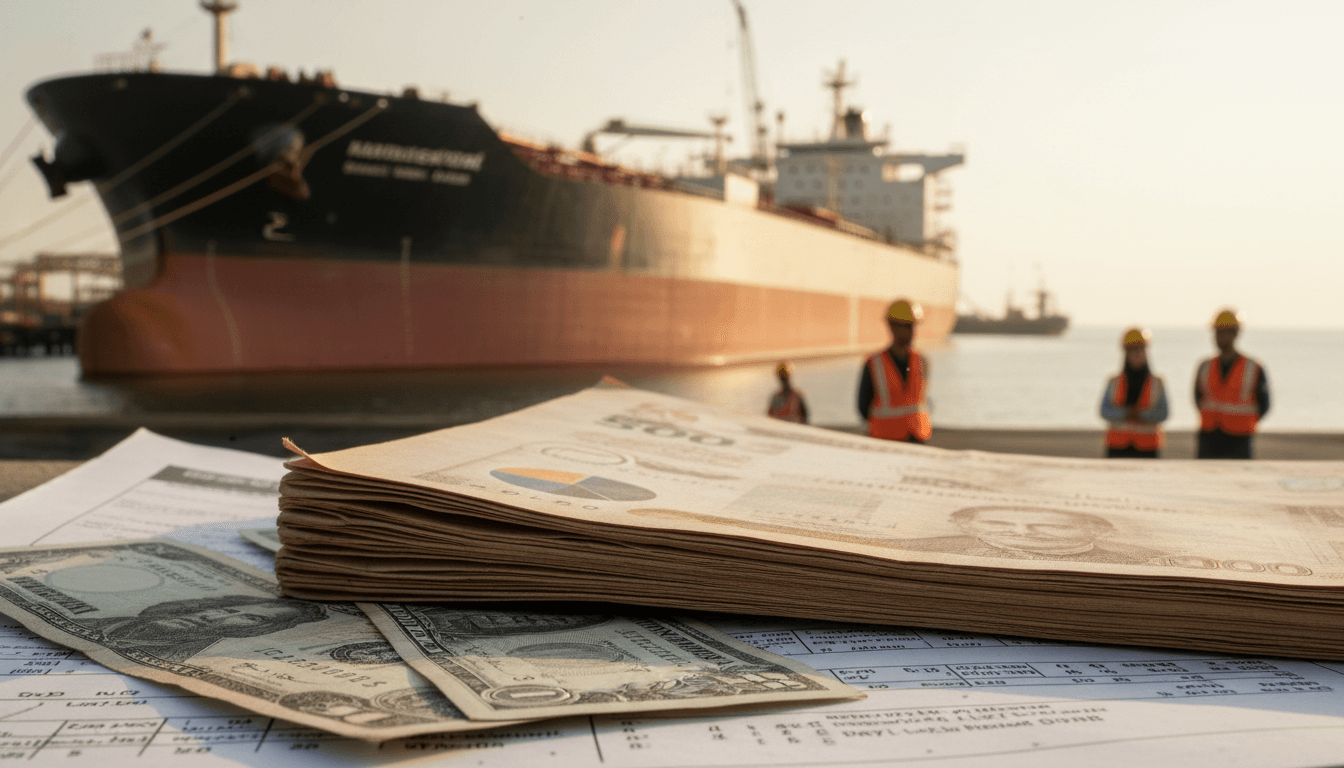
Oil prices rise as Trump mulls Kharg Island measures, a direct response to escalating tensions in the Middle East. A recent MarketWatch report, published around March 16, 2026, highlighted this surge amidst speculation that then-President Trump was considering new actions targeting Iran’s critical Kharg Island. This development unfolds against the backdrop of an ongoing conflict between the U.S.-Israel coalition and the Iranian regime, a geopolitical flashpoint that has profoundly disrupted global energy markets.
The strategic importance of Kharg Island cannot be overstated. As Iran’s primary oil export terminal, handling approximately 90% of the country’s crude oil exports, any disruption there sends immediate ripples through the global supply chain. The U.S. actions, including reported strikes on military targets, were intended to exert pressure on Iran to cease its interference with shipping in the Strait of Hormuz, a choke point for roughly one-fifth of the world’s oil supply. While President Trump stated that oil infrastructure was initially spared “for reasons of decency,” he issued a stern warning that these facilities could become targets if Iran continued its blockade.
Strategic Moves and Market Reactions
The timeline of events reveals the rapid escalation and market impact. On March 13, 2026, President Trump announced a “fierce airstrike” on military targets at Kharg Island via social media. This was followed by U.S. forces bombing dozens of targets on the island on Friday, March 14, 2026. By Sunday, March 16, 2026, both West Texas Intermediate (WTI) and Brent Futures crude benchmarks had surged past $100 per barrel, with Brent reaching over $104 per barrel, underscoring the immediate market sensitivity to the potential disruption of Iranian oil supplies.
“The market’s reaction to the Kharg Island strikes highlights the accelerating shift in how energy supply chains are priced, with security risks now a paramount factor,” noted Jeff Currie from Carlyle, emphasizing the new reality for oil traders.
In a move to temper the dramatic rise in prices, U.S. Treasury Secretary Scott Bessent indicated on Thursday, March 19, 2026, that the administration might lift sanctions on millions of barrels of Iranian oil already loaded onto vessels. This potential influx of supply aims to stabilize the market and mitigate the economic fallout of the conflict. The U.S. also sought to form a multinational “Hormuz coalition” to reopen the Strait of Hormuz, which had been largely closed due to the crisis, further demonstrating a multifaceted approach to managing the energy implications of the conflict.
Oil Prices Rise as Trump Mulls Kharg Island: Expert Perspectives
Commodity experts and strategists have been quick to weigh in on the implications. Javier Blas from Bloomberg emphasized the critical importance of reopening the Strait of Hormuz for global energy security. Vandana Hari, founder of Vanda Insights, commented on the strategic implications of striking Kharg Island, noting that while oil infrastructure was spared, the message to Tehran was unequivocally clear regarding the consequences of continued aggression. Edward Fishman, a senior fellow at the Council on Foreign Relations, discussed the potential for Iranian escalation, adding another layer of uncertainty to an already volatile situation.
Veteran macro strategist Jim Bianco on Wall Street provided an analysis of the strategic rationale behind the U.S. strikes, linking them directly to efforts to pressure Iran into de-escalating the conflict in the Strait of Hormuz. The ongoing tensions and the U.S. administration’s decisive actions have fundamentally reshaped expectations for global oil supply and pricing, making it a critical area for investors and policymakers alike. For more insights into market dynamics, explore our related Finance news.
The Geopolitical Chessboard and Energy Futures
The core reason for the U.S. actions and the subsequent surge in oil prices is the intricate dance of geopolitics between the U.S.-Israel coalition and Iran, coupled with Iran’s direct interference with international shipping. The U.S. strikes on Kharg Island serve as a potent signal, intended to compel Iran to end its blockade of the Strait of Hormuz. Any substantial disruption to operations on Kharg Island or the Strait of Hormuz directly threatens global oil supplies, given Iran’s heavy reliance on oil exports and the strait’s role as a vital conduit. This confluence of factors ensures continued volatility in the oil markets, even as the U.S. explores avenues like lifting sanctions on existing Iranian oil to cushion the impact on global prices.


