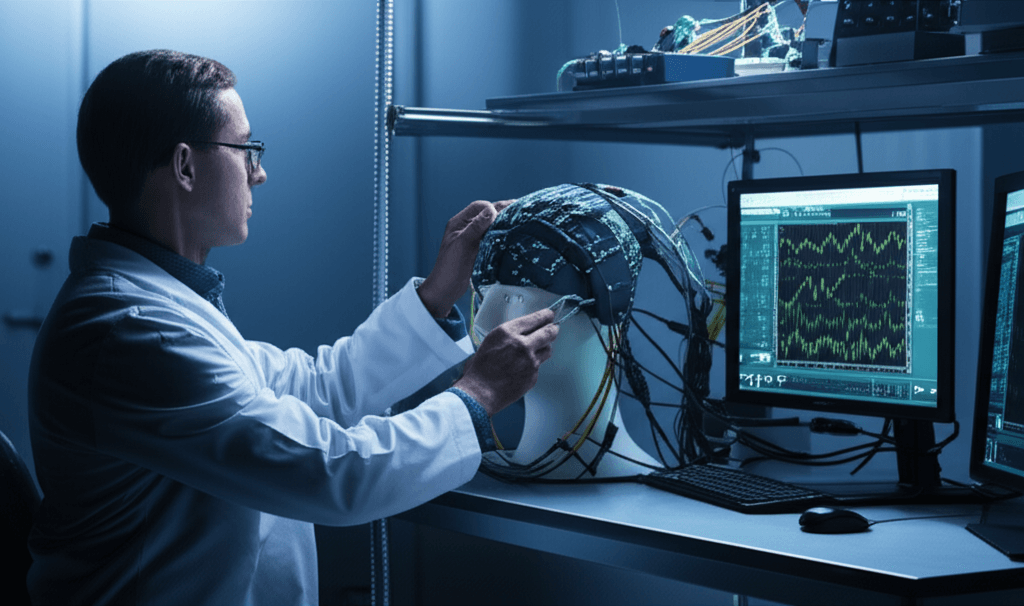
Neurotech safety is taking center stage as the IEEE considers establishing new safety guidelines for consumer neurotechnology products. This move reflects the growing prevalence of devices that interact directly with the human brain, raising crucial questions about user safety and ethical considerations.
The Rise of Consumer Neurotechnology
Consumer neurotechnology is rapidly evolving, encompassing a range of devices from those designed to enhance focus and improve sleep to more advanced interfaces that allow users to control external devices with their minds. The increasing availability and sophistication of these technologies necessitate a proactive approach to ensure user safety and prevent potential harm.
“The development of neurotechnology safety standards is essential to fostering public trust and promoting responsible innovation in this rapidly growing field.”
IEEE’s Focus on Neurotech Safety
The IEEE, the world’s largest technical professional organization, is uniquely positioned to develop comprehensive neurotech safety guidelines. Its expertise in engineering, applied sciences, and standards development makes it an ideal body to address the complex technical and ethical challenges associated with consumer neurotechnology. The proposed guidelines will likely cover aspects such as device biocompatibility, data security, and the potential for unintended cognitive or neurological effects.
Key Considerations for Safety Guidelines
Several critical factors must be considered when developing neurotech safety guidelines. These include the potential for misuse, the long-term effects of neurostimulation, and the protection of user data. The guidelines must also address the needs of vulnerable populations, such as children and individuals with pre-existing neurological conditions.
Furthermore, the guidelines should promote transparency and informed consent, ensuring that users are fully aware of the risks and benefits associated with neurotechnology products. This includes clear labeling, comprehensive user manuals, and ongoing monitoring of device performance.
Impact on the Financial Sector
The establishment of standardized neurotech safety guidelines could have significant implications for the financial sector. Increased consumer confidence in neurotechnology products could drive demand and investment, leading to growth in the neurotech industry. However, companies that fail to meet the new safety standards may face legal and reputational risks. Investors will need to carefully assess the safety and ethical practices of neurotech companies before making investment decisions. related Industries news
The potential applications of consumer neurotechnology extend beyond healthcare and wellness. Imagine a future where financial traders use neuro-enhancement devices to improve their cognitive performance, or where biometric authentication systems rely on brainwave patterns. These possibilities raise complex questions about fairness, security, and the potential for market manipulation.
The Future of Neurotechnology Regulation
The IEEE’s initiative to develop neurotech safety guidelines is a crucial step towards establishing a robust regulatory framework for the industry. As consumer neurotechnology becomes more widespread, governments and regulatory bodies will need to work together to ensure that these devices are safe, effective, and ethically sound.
The development of international standards and best practices will be essential to fostering innovation while protecting consumers from potential harm. This collaborative effort will require input from engineers, scientists, ethicists, policymakers, and the public.
The new neurotech safety guidelines are poised to shape the future of this rapidly evolving field. By prioritizing user safety, ethical considerations, and responsible innovation, the IEEE is paving the way for a future where neurotechnology benefits society as a whole.
Source: IEEE Spectrum