
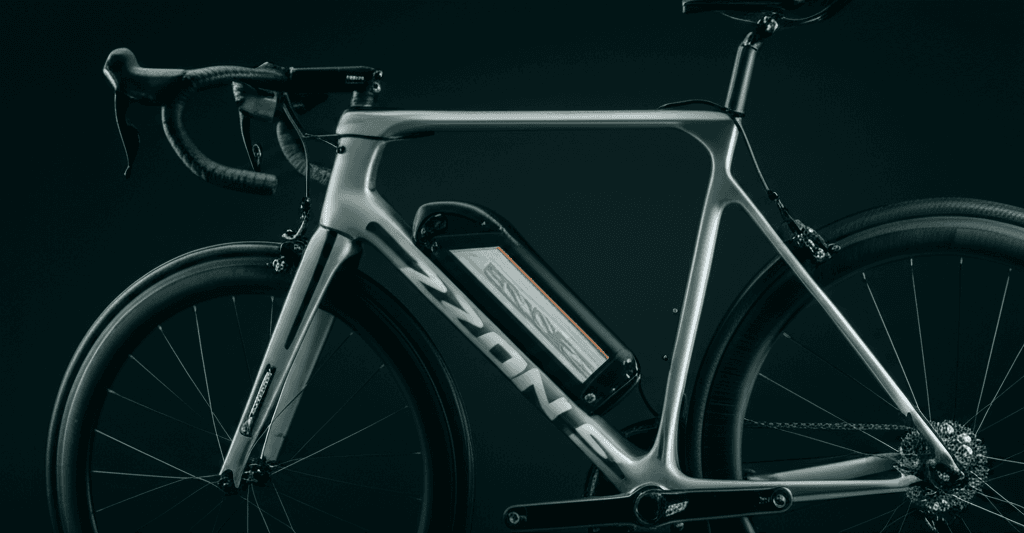
The **motor doping** phenomenon is once again making headlines in the world of professional cycling, raising serious questions about fairness and integrity. Investigated by the Global Cycling Network, the issue involves concealing an electric motor within a bicycle frame to provide an unfair advantage to the rider, a practice known as **motor doping**.
The Rise of Motor Doping Concerns
The Global Cycling Network’s investigation involved two recent engineering graduates who successfully built a **motor doping** prototype. Their design incorporates 18650 cells, custom electronics, and electromagnets, utilizing a “Magic wheel” with embedded magnets that interact with hidden electromagnets. While the boost provided is relatively small, at just under 20 watts, it can be enough to shave off crucial seconds in a race, potentially making the difference between winning and losing.
The history of **motor doping** is rife with controversy. Notable cases have emerged over the years, prompting cycling competition authorities to implement increasingly sophisticated detection methods. These measures include infra-red cameras, magnetometers, backscatter detectors, and even X-ray machines. Despite these efforts, persistent rumors continue to plague the sport, highlighting the difficulty in completely eradicating this form of cheating.
Detecting Technological Fraud
The use of technology to gain an unfair advantage is a constant battle in professional sports. Cycling authorities are continually challenged to stay ahead of increasingly sophisticated methods of cheating. The video investigation highlights the lengths to which individuals will go to compromise the integrity of competition.
“The constant evolution of cheating methods requires continuous innovation in detection technologies.”
The Financial Implications of Cycling Cheating
The financial stakes in professional cycling are substantial, with sponsorships, prize money, and endorsements all contributing to a high-pressure environment. This financial pressure can incentivize some athletes to resort to unethical tactics, such as **motor doping**, in pursuit of victory. The integrity of the sport is paramount, and any compromise can erode trust among fans, sponsors, and other stakeholders. This could have a knock-on effect on investment in the sport and the viability of teams and events. related Industries news
The investigation further underscored the financial risks associated with cycling. The potential for reputational damage, loss of sponsorships, and legal repercussions are significant deterrents. However, the allure of financial gain and the pressure to perform can still drive some individuals to engage in unethical practices.
In conclusion, the resurgence of **motor doping** concerns in cycling highlights the ongoing challenges in maintaining fair competition. The constant evolution of cheating methods requires continuous innovation in detection technologies and a renewed commitment to ethical conduct within the sport. The financial implications are significant, underscoring the importance of preserving the integrity of cycling for all stakeholders.


