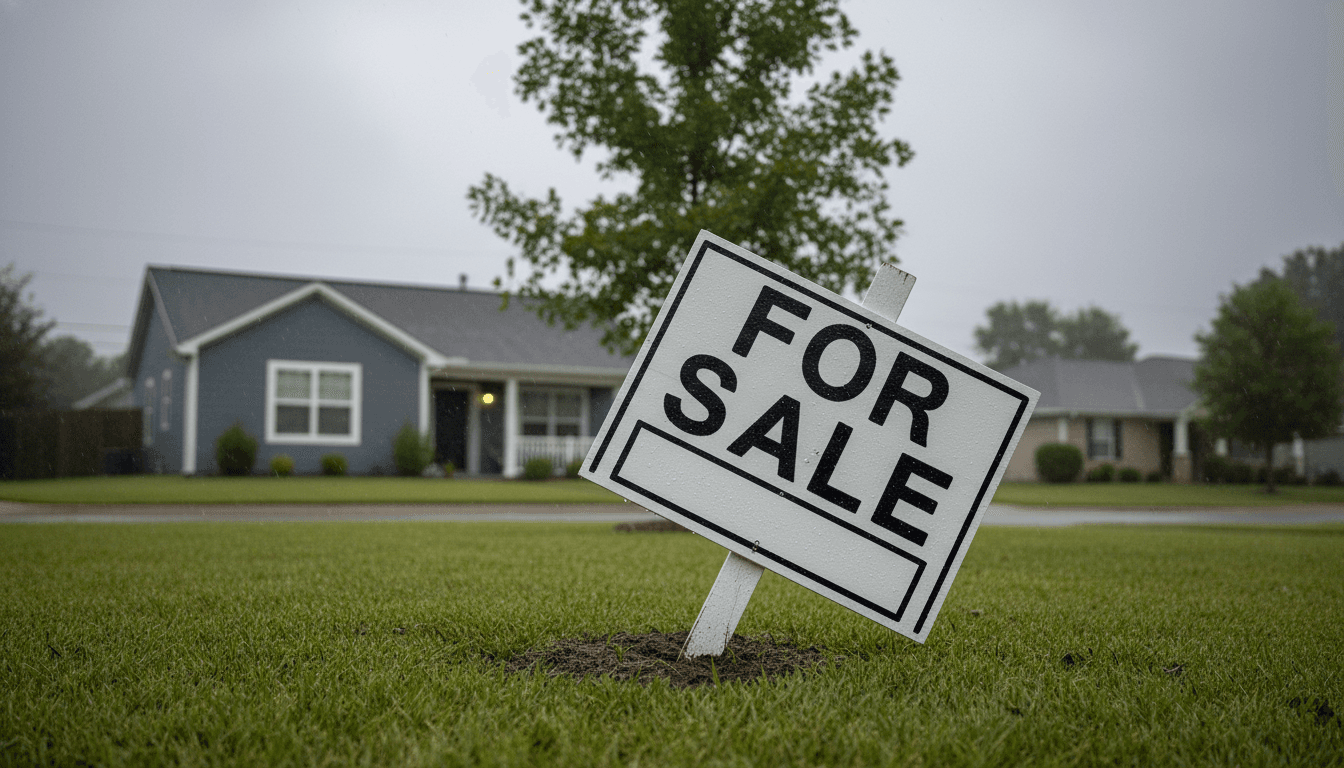
Mortgage rates highest in a month have caused a noticeable withdrawal of first-time homebuyers from the market, according to a CNBC report on Wednesday, May 6, 2026. This latest surge in borrowing costs marks a significant hurdle for those aspiring to homeownership, pushing affordability further out of reach and creating ripples across the broader real estate landscape.
The CNBC report highlighted that mortgage rates have climbed to their highest level in a month, a development that directly impacts the purchasing power of prospective buyers. While specific figures for the rate increase were not detailed, the consequence is clear: first-time homebuyers, often the most sensitive to interest rate fluctuations, are increasingly finding themselves priced out or unwilling to commit to higher monthly payments. This demographic is crucial for market fluidity, as their entry often frees up starter homes for others and stimulates movement up the property ladder. Their absence creates a bottleneck at the lower end of the market.
Impact Analysis
The immediate impact of mortgage rates highest in a month is a contraction in buyer demand, particularly from the entry-level segment. This reduction in demand can lead to a cooling of the housing market, potentially slowing price appreciation or even leading to modest price corrections in some areas. Sellers, especially those with properties typically sought by first-time buyers, may experience longer listing times or need to adjust their price expectations. Furthermore, the broader economic implications are worth noting; a slowdown in housing transactions can affect related industries, from construction and home improvement to real estate services and lending. The national housing market, already grappling with inventory challenges and persistent affordability issues, now faces another headwind.
This trend underscores the delicate balance within the housing market. When interest rates rise, even marginally, the monthly mortgage payment for a given home price increases, reducing what buyers can afford or are willing to pay. For first-time homebuyers, who often have less equity and are more reliant on favorable borrowing terms, this shift can be prohibitive. It forces a reassessment of their homeownership timelines or a recalibration of their expectations regarding property type and location. Related real estate articles frequently discuss the tightrope walk between supply, demand, and interest rate sensitivity, and this current situation provides a stark illustration.
“The withdrawal of first-time homebuyers due to rising mortgage rates is a critical indicator of market stress, signaling a potential slowdown in transaction volumes and a shift in market dynamics.”
The current environment could also exacerbate existing inequalities in the housing market, making it even harder for lower-income and minority groups to achieve homeownership. As borrowing costs climb, the financial bar for entry rises, potentially widening the wealth gap. This is a concern that extends beyond mere market statistics, touching on broader societal issues of economic mobility and stability.
Context & Background
The real estate market has been characterized by volatility over the past few years, driven by a confluence of factors including pandemic-era demand surges, supply chain disruptions affecting new construction, and a period of historically low interest rates. These low rates fueled a buying frenzy, pushing home prices to unprecedented levels. However, as central banks have moved to combat inflation, interest rates have steadily climbed, introducing new challenges. The current situation where mortgage rates highest in a month are observed is part of this larger trend of monetary policy tightening.
Historically, periods of rising interest rates have often correlated with cooling housing markets. While the exact trajectory varies depending on regional economic conditions and inventory levels, the fundamental principle remains: higher borrowing costs reduce demand. Previous cycles have shown that first-time buyers are typically the first to feel the pinch, as they lack the accumulated equity that repeat buyers might use to offset higher rates. This current development is consistent with patterns observed in past economic shifts, albeit with the added complexity of a post-pandemic housing boom that inflated prices considerably.
What’s Next
Looking ahead, the trajectory of mortgage rates will be a primary determinant of the housing market’s health. Future actions by central banks regarding interest rates will be closely watched. If inflation persists and further rate hikes are deemed necessary, we could see continued pressure on affordability and further attrition of first-time homebuyers. Conversely, any signs of easing inflation could potentially stabilize or even lower mortgage rates, offering some relief to the market.
Developers and builders may need to adjust their strategies, potentially focusing on more affordable housing options or re-evaluating their project pipelines in light of reduced demand. Policymakers might also consider new initiatives to support first-time buyers, although such interventions often take time to implement and show effect. The market will also be observing inventory levels closely; an increase in available homes could help balance the supply-demand equation, but a persistent shortage, coupled with high rates, would only intensify the current challenges. Investors and homeowners alike will be keen to see how these dynamics play out over the coming months, particularly as we approach the traditionally busy summer buying season. Further analysis on market trends will be critical.
Key Takeaway
The fact that mortgage rates highest in a month are now causing first-time homebuyers to drop out is a significant signal for the real estate market. It highlights the acute sensitivity of the entry-level segment to borrowing costs and underscores the ongoing affordability crisis. This trend suggests a potential slowdown in transaction volumes and a shift in market dynamics, where sellers may need to adjust their expectations, and the path to homeownership becomes increasingly challenging for a crucial demographic. The broader implications extend to economic growth, wealth accumulation, and social equity, making this a pivotal development for anyone involved in or impacted by the housing market.