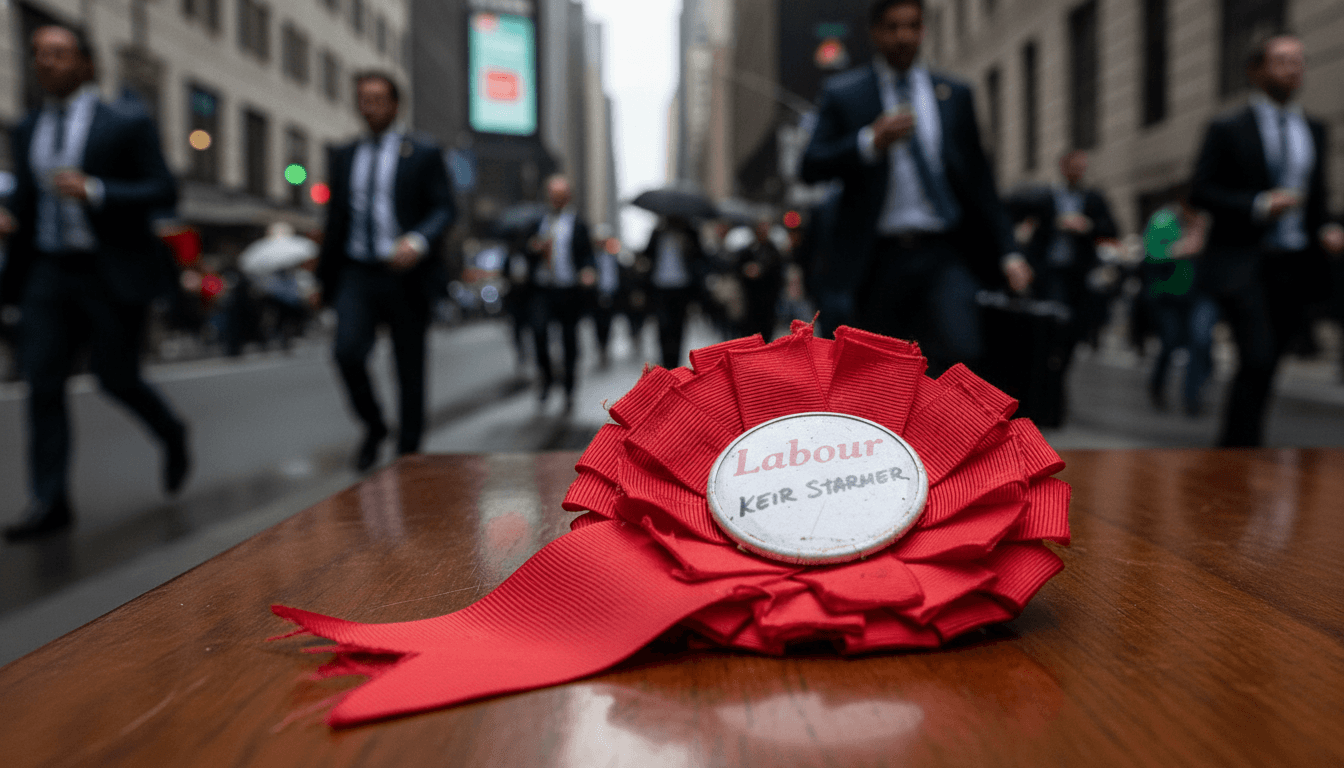
Keir Starmer’s leadership faces imminent collapse as the Labour Party grapples with a series of damaging scandals and a significant loss of public trust, following a dismal performance in last week’s local elections. The Prime Minister’s recent attempts at a cabinet reshuffle and a ‘skin-saving’ speech have only exacerbated his precarious position, drawing widespread criticism and fueling internal dissent within his party.
Starmer’s Controversial Cabinet Moves
In a desperate bid to regain public favour, Prime Minister Starmer made several highly questionable appointments. His decision to bring Harriet Harman back into government as an “adviser on women and girls” sparked immediate outrage. Harman’s past association with the Paedophile Information Exchange (PIE) in the 1970s, where she defended child pornography, has been highlighted by media outlets like The Canary, noting this as Starmer’s latest in a series of controversial appointments linked to individuals associated with paedophilia advocacy.
Adding to the controversy, Starmer resurrected former Prime Minister Gordon Brown as the government’s “special envoy on global finance and cooperation.” Brown’s tenure as Chancellor (1997-2007) and Prime Minister (2007-10) is largely remembered for the infamous “Brown Bottom” – the sale of nearly 400 tonnes of UK gold reserves at a 20-year low – and his role in unleashing the financial liberalisation that preceded the 2008 crash. Ironically, Starmer himself previously pledged to revive the ‘animal spirits’ of the private sector, echoing Brown’s past rhetoric. Brown’s long-standing ties to Peter Mandelson, a figure also associated with various scandals, further undermine the credibility of this appointment. These strategic missteps only deepen the crisis surrounding Keir Starmer’s leadership.
The Uninspiring Speech and Rising Dissent
Starmer’s much-anticipated speech, intended to quell internal party unrest, fell flat. Veteran political analyst Andrew O’Neil remarked, “there’s rarely been a situation so bad that it can’t be made worse with a Keir Starmer speech.” The address was criticized for its lack of concrete policy proposals, rehashing existing initiatives, and making outlandish claims about economic stability. It was, as O’Neil noted, a speech directed at Labour MPs, not the nation, attempting to shore up support for Keir Starmer’s leadership from within.
“Starmer’s first act of his reshuffle, after months of scandals over his knowing appointment of paedophiles’ pals to senior positions, was to appoint a woman linked to a notorious paedophilia advocacy group.”
The silence following the speech, captured in a widely shared social media clip, underscored its failure to inspire. This public humiliation has intensified calls for Starmer’s resignation, with many within the Labour Party now openly speculating about a leadership challenge. The political instability has even impacted financial markets, with gilts dropping on Monday following the news of increasing dissent.
The Looming End of Keir Starmer’s Leadership?
The question of who might succeed Starmer is now at the forefront. Wes Streeting, the neo-Blairite Health Secretary, is widely considered a potential challenger, despite his own close association with Peter Mandelson. Streeting’s ascent would mark a significant victory for the Blairite faction that actively undermined Jeremy Corbyn’s leadership. Meanwhile, Manchester City Mayor Andy Burnham, another prominent figure, faces hurdles in becoming an MP, a prerequisite for a leadership bid, after the Labour Party recently blocked his candidacy for a by-election.
Both Streeting and Burnham, like many senior Labour figures, have close ties to Labour Friends of Israel and other Zionist lobbies, a fact that has drawn criticism from figures like Craig Murray. The party is hemorrhaging support to both Nigel Farage’s Reform Party and the resurgent Green Party, reflecting a profound disillusionment among core Labour voters.
Yannis Varoufakis encapsulates the party’s current predicament, describing Starmer’s Labour as having become “the villain – the genuinely nasty party.” He points to Starmer’s “distinctly dictatorial, authoritarian reflex” and “seething contempt for those who lent them their votes.” Varoufakis highlights policies such as slashing disability benefits, supporting Israel’s actions in Gaza, vilifying migrants, and implementing draconian anti-protest laws as evidence of Starmer’s betrayal of Labour’s foundational principles. The instrumentalisation of anti-terrorism laws to suppress pro-Palestinian dissent and the provision of RAF spy flights over Gaza further underscore the authoritarian shift under Starmer’s rule.
The unfolding events suggest that Keir Starmer’s leadership is on the brink. With internal challenges mounting and public support evaporating, the Prime Minister faces an uphill battle to retain his position. The coming days will be critical in determining the future direction of the Labour Party and, indeed, British politics.