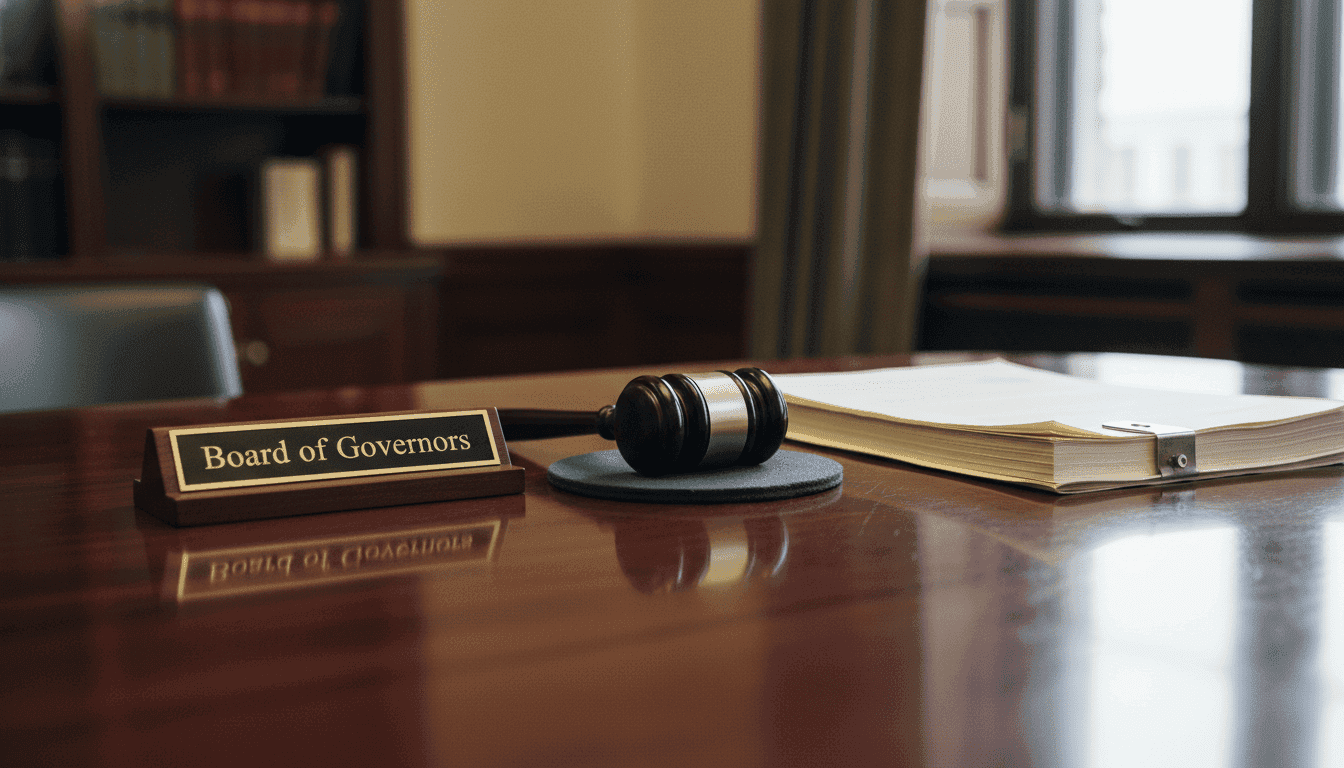
Jerome Powell remains at Fed as governor after his term as Chair concludes in mid-May, a decision that signals a potentially enduring influence on the nation’s monetary policy. The outgoing Federal Reserve Chair announced his intention to stay on the Board of Governors, a position he holds until January 31, 2028, even as the Senate prepares to confirm his successor.
This move is particularly noteworthy given the typical practice of Fed chairs resigning from the Board once their leadership tenure ends. Powell’s decision comes at a time of considerable political tension surrounding the Federal Reserve, marked by ongoing friction with the Trump administration. President Donald Trump has nominated Kevin Warsh to take the helm, with the Senate Banking Committee having already approved Warsh’s nomination on April 29, 2026, in a tight, party-line vote of 13-11. The full Senate vote on Warsh’s confirmation is anticipated in May.
Safeguarding Federal Reserve Independence
Powell’s continued presence could be a strategic maneuver to bolster and safeguard the Fed’s crucial independence. The Trump administration has been vocally critical of the central bank’s monetary policy, consistently advocating for lower interest rates. By remaining a governor, Powell retains a vote on interest rates and broader monetary policy decisions, potentially acting as a check on immediate shifts favored by the new administration or a newly constituted Board.
“Powell’s decision to stay on the Board of Governors is a powerful statement about the importance of institutional independence during a period of significant political scrutiny.”
This continuity could offer a measure of stability to financial markets during what is otherwise a significant leadership transition. Furthermore, his continued service could prevent the Trump administration from immediately appointing another new governor, thereby potentially slowing down any rapid reshaping of the Board’s composition and ideological balance.
Ongoing Investigations and a Vow for Transparency
Adding another layer of complexity to Powell’s decision are the two criminal investigations initiated by the Department of Justice. These investigations relate to testimony he provided in June 2025 concerning a $2.5 billion renovation of the Federal Reserve’s Washington D.C. headquarters. While a federal judge quashed two subpoenas related to this investigation in March 2026, citing “essentially zero evidence” of a crime, the DOJ has expressed its intent to appeal.
Powell has been unequivocal in his stance, stating explicitly that he has no intention of leaving the Board until the investigation is “well and truly over, with transparency and finality.” This commitment underscores his resolve to see the legal process through, even as he transitions from the Chair role. His continued service ensures he retains a platform and a vote on key decisions while these matters unfold, reinforcing the notion that Jerome Powell remains at Fed as governor to maintain institutional integrity.
A Long Tenure at the Central Bank
Jerome Powell’s history with the Federal Reserve is extensive. He first assumed office as Chair of the Board of Governors of the Federal Reserve System on February 5, 2018, for a four-year term, and was reappointed for a second term on May 23, 2022. His service as a member of the Board of Governors dates back to May 25, 2012, giving him over a decade of experience within the institution. His deep understanding of the Fed’s operations and its critical role in the economy means his continued presence, even as a governor, is significant. For more related Finance news, explore our archives.
Powell’s decision to Jerome Powell remains at Fed as governor after his chair term concludes is a strategic and unusual move. It not only provides a layer of continuity and stability amidst political transitions and ongoing investigations but also underscores a commitment to the Federal Reserve’s independence and its critical role in the U.S. financial landscape. His continued vote and presence on the Board will undoubtedly be closely watched by markets and policymakers alike.