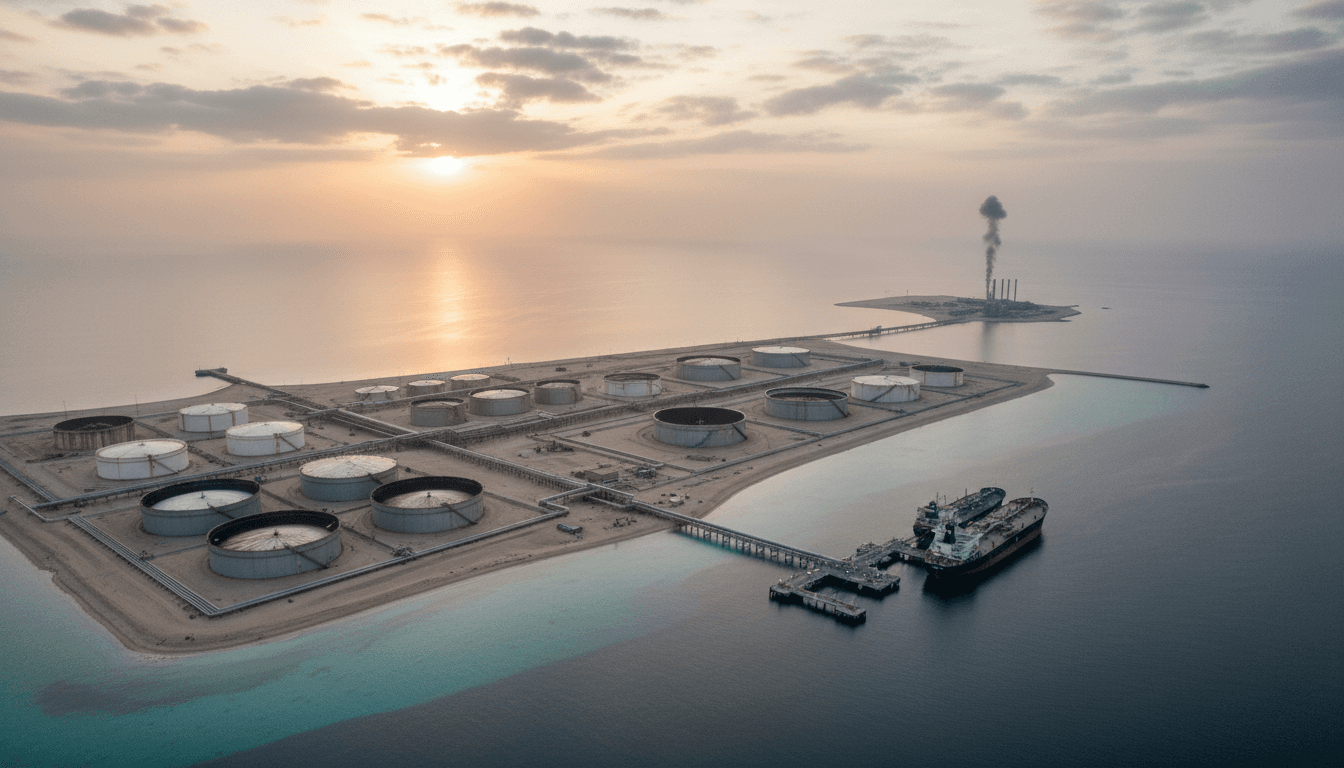
Iran war escalation has reached a critical juncture, with recent events on March 13-14, 2026, seeing the US launch strikes on Kharg Island, a pivotal Iranian oil terminal, while Iran retaliated with attacks on a Saudi air base and intensified its assaults on Israel. These developments unfold amidst a broader conflict that commenced on February 28, 2026, when the United States and Israel initiated strikes against Iran, signaling a dangerous new phase in Middle East geopolitics.
US Strikes Kharg Island: A Strategic Blow
On Friday, March 13, 2026, President Donald Trump announced that the US Central Command (CENTCOM) had “totally obliterated” military targets on Kharg Island. This island, situated approximately 30 kilometers off Iran’s coast in the Persian Gulf, is fundamentally important to Iran’s oil industry, processing nearly 90% of its crude oil exports. Trump emphasized that while military objectives were met, the US consciously avoided striking the island’s oil infrastructure “for reasons of decency,” yet issued a stern warning that this decision could be reevaluated if Iran interfered with shipping in the Strait of Hormuz. Conversely, Iranian media reported on Saturday, March 14, 2026, that the US strikes caused no damage to oil facilities. The Iranian armed forces issued a stark warning, stating that any attack on their oil and energy infrastructure would trigger retaliatory strikes on energy infrastructure owned by oil companies collaborating with the US in the region.
“The deliberate targeting of military assets on Kharg Island, while sparing oil infrastructure, is a strategic play designed to exert maximum pressure without immediately crippling global energy markets. The subsequent Iranian threats, however, underscore the volatile nature of this conflict.”
Iran’s Retaliation and Expanded Offensive
In direct response to the escalating conflict, Iran launched missile strikes on Prince Sultan Air Base in Saudi Arabia, a vital hub for both US and Saudi military personnel. These strikes, reported around March 13-14, 2026, inflicted damage on five US Air Force KC-135 tanker aircraft on the ground. US officials confirmed the damage, noting that while the tankers were not completely destroyed, they would be repaired, and thankfully, no personnel were killed. This attack is consistent with a broader pattern of Iranian missile and drone campaigns spanning the Middle East, specifically targeting US and Israeli interests in nations such as Saudi Arabia, the UAE, and Kuwait. The Iran war escalation continues to reverberate across the region.
Furthermore, Iran has significantly intensified its attacks on Israel. On March 13, 2026, the Israeli military reported a new barrage of missiles fired from Iran towards Israel, prompting residents in affected areas to seek shelter. This follows previous direct assaults by Iran on Israel, including over three hundred drone and missile attacks in April 2024 and 180 ballistic missiles in October 2024, highlighting a worrying trend of direct confrontation.
Broader Implications of the Conflict
The current escalation is an integral part of a larger, ongoing conflict between the US, Israel, and Iran, which originated on February 28, 2026. The initial US-Israel strikes were reportedly aimed at inducing regime change in Iran and targeting its nuclear and ballistic missile programs, allegedly resulting in both military and civilian casualties. In response, Iran has launched a series of counter-strikes against Israel, US military bases, and military and civilian locations in Arab states hosting US forces. US Defense Secretary Pete Hegseth stated on March 13, 2026, that over 15,000 enemy targets have been struck since the war began, averaging more than 1,000 per day. The persistent Iran war escalation has raised profound concerns about global economic destabilization, primarily due to its potential impact on Gulf oil exports and critical shipping routes through the Strait of Hormuz. Investors and policymakers alike are closely monitoring these developments for their far-reaching financial consequences. This increasing volatility underscores the urgent need for de-escalation to prevent broader economic fallout.
The recent US strikes on Kharg Island and Iran’s swift retaliation, coupled with increased attacks on Israel, mark a significant and concerning escalation in the US-Iran conflict. With both sides demonstrating a willingness to target critical infrastructure and military assets, the prospects for de-escalation appear dim. The continued impact on global oil markets and shipping lanes through the Strait of Hormuz remains a paramount concern for financial stability worldwide, making the Iran war escalation a critical issue for investors and businesses.