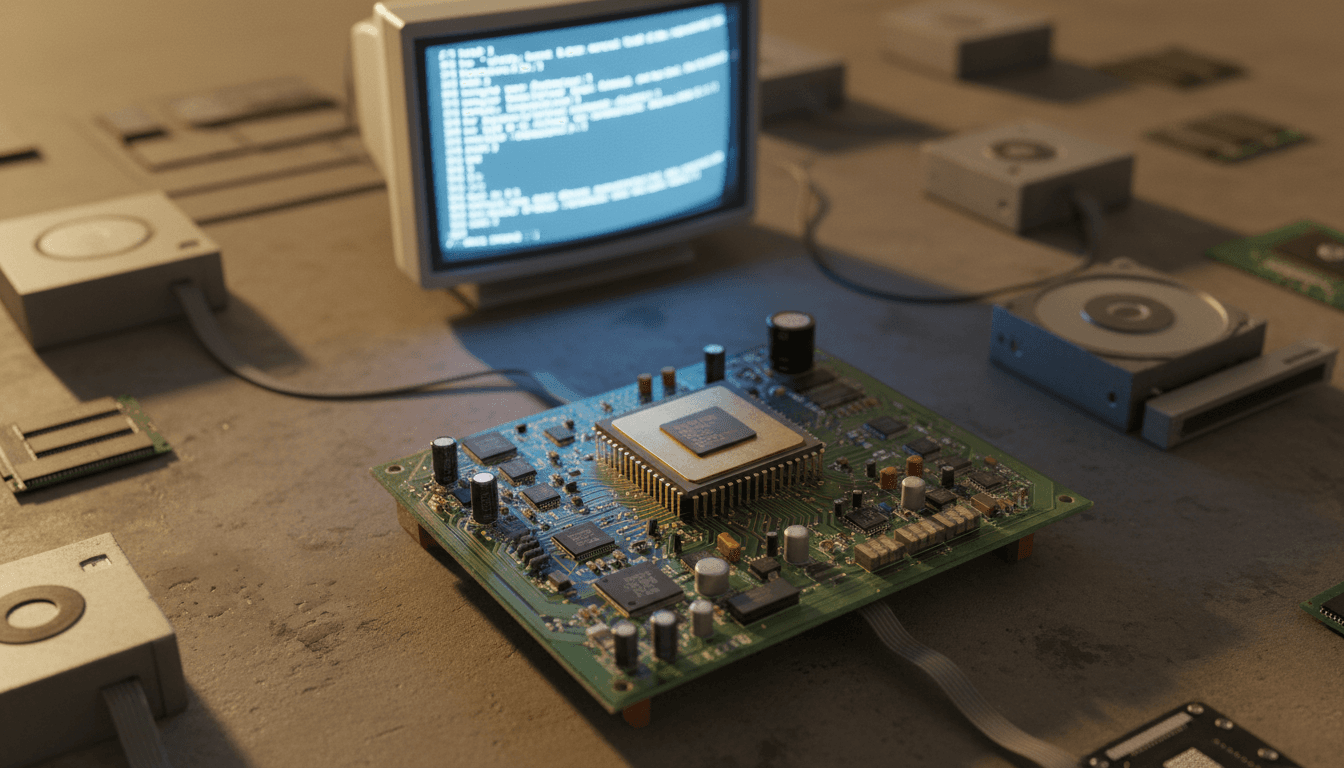
Intel 486 support likely to be removed in Linux 7.1, marking a significant end-of-life milestone for the vintage CPU architecture within the open-source operating system. After years of speculation and ‘mutterings’ from Linux creator Linus Torvalds, the concrete steps are now being taken to sunset support for the venerable i486 processor. A recent Linux patch submitted by Ingo Molnar has officially removed i486 support from the build system, a critical move that will prevent the creation of i486-compatible kernel images as it integrates into upcoming release branches, beginning with kernel 7.1.
This development, while notable, is expected to have a minimal impact on mainstream users. No major Linux distribution currently maintains support for the 486 CPU, reflecting the architecture’s nearly three-decade-old status. The community has also received ample warning, with discussions about deprecating 486 support dating back to 2022 and resurfacing in 2025. This gradual phasing out aligns with the Linux kernel’s ongoing evolution, shedding legacy code to streamline development and focus on modern hardware.
The End of an Era: Intel 486 Support Likely to be Removed in Linux 7.1
The transition away from 486 support mirrors the removal of Intel 386 support back in 2012, indicating a natural progression for a fast-moving project like the Linux kernel. While it’s difficult to gauge widespread interest in running contemporary Linux kernels on such antique hardware, the move solidifies Linux’s commitment to efficiency and forward compatibility. Maintaining support for obsolete architectures introduces complexity and potential security vulnerabilities that outweigh the diminishing user base.
“The removal of i486 support from the Linux build system is a logical step, streamlining kernel development and focusing resources on architectures relevant to today’s computing landscape.”
For enthusiasts still clinging to their retro hardware, alternative options remain. The prospect of related Industries news suggests that some are even modding Windows XP to run on the 486, creating an ironic twist where a ‘modern’ Windows (albeit an older version) might find a home on these systems while Linux moves on. Projects like NetBSD also continue to offer Unix-style operating systems for older hardware, providing a niche for those determined to keep their 486 machines operational with a functional OS.
Impact on Legacy Systems and Retro Computing
The direct impact on users is expected to be negligible, given that the vast majority of Linux users operate on significantly newer hardware. However, for the niche community of retro computing enthusiasts and those maintaining extremely old embedded systems, this change signals the definitive end of official Linux kernel compatibility. These users will either need to stick with older kernel versions, explore alternative operating systems like NetBSD, or potentially delve into custom kernel modifications to retain Intel 486 support.
Ultimately, the decision to remove Intel 486 support likely to be removed in Linux 7.1 underscores the relentless pace of technological advancement. As hardware evolves, so too must software. This move allows the Linux kernel to continue its trajectory of innovation, optimizing for contemporary processors and delivering a more robust and efficient experience for the vast majority of its users.