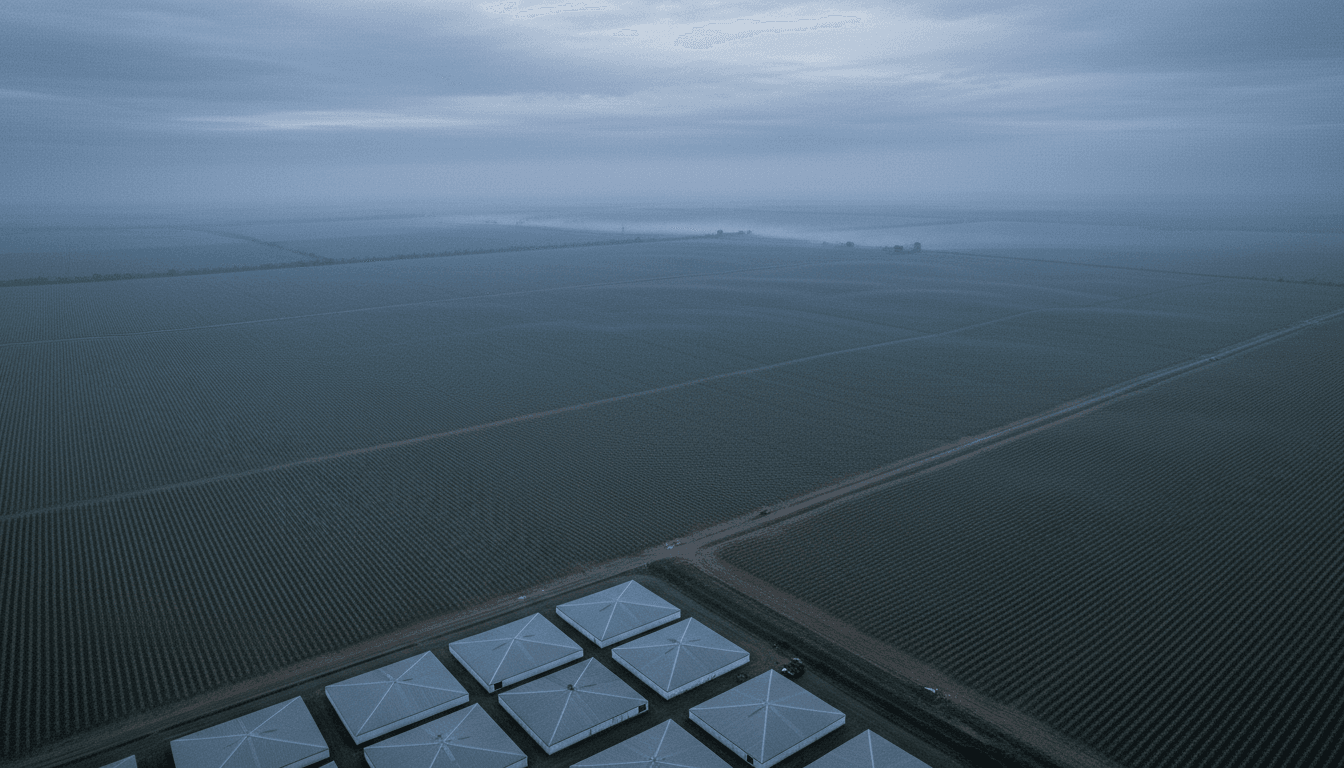
Industrial agriculture faces mounting health concerns as critics increasingly scrutinize its widespread practices and long-term societal impact. The Great American Food System (GAFS) is undeniably productive, yielding immense tonnage and substantial profits for certain stakeholders. However, a growing chorus of voices, including prominent figures like Marion Nestle, author of What to Eat Now (2025), contends that much of this productivity is fundamentally misguided, prioritizing quantity and specific types of output over public health and environmental sustainability.
The Great American Food System’s Production Paradox
The GAFS operates on a massive scale, delivering an abundance of food products to consumers across the nation. This efficiency, often hailed as a triumph of modern engineering and economics, has ensured a relatively cheap and consistent food supply. Yet, the method by which this food is produced – through intensive industrial agriculture – is now under the microscope. Critics argue that while the system excels at generating specific commodities, it often externalizes significant costs onto public health and the environment. The focus on monocultures, heavy pesticide use, and highly processed foods contributes to a range of chronic health issues, raising questions about the true cost of this ‘efficient’ production.
Understanding the Critics’ Stance on Industrial Agriculture
The critique of industrial agriculture extends beyond simple dietary recommendations; it delves into the systemic flaws embedded within the food production model. These critics highlight how the drive for profit and scale has led to a food system that, while filling stomachs, may be depleting nutritional value and fostering an environment conducive to diet-related diseases. The reliance on genetically modified organisms, synthetic fertilizers, and feedlot operations for livestock are points of contention, with arguments made for a return to more sustainable, localized, and diversified farming practices. Addressing these concerns is crucial for the long-term well-being of the population and the planet.
“The true cost of food isn’t just its price tag; it includes the hidden expenses of public health crises and environmental degradation.”
The debate around the future of food and health is becoming increasingly urgent. As consumers become more aware of the links between diet and disease, and as environmental concerns gain prominence, the pressure on the GAFS to evolve intensifies. This shift isn’t merely about what we eat, but how it’s produced, processed, and distributed. The financial implications for industries tied to current agricultural models are substantial, as a move towards more sustainable and health-centric food systems could reshape markets and investment opportunities. Investors and policymakers alike are beginning to grapple with the need for systemic change.
Navigating the Future of Food and Health Investments
For investors, understanding these shifts is paramount. The growing demand for organic, locally sourced, and minimally processed foods signals a significant market opportunity. Companies that innovate in sustainable farming, alternative proteins, and health-focused food products are poised for growth, while those entrenched in traditional, high-impact industrial agriculture may face increasing regulatory and consumer pressure. The transition away from the current model presents both risks and rewards, requiring careful analysis of emerging trends and consumer preferences. For more insights into these market dynamics, explore our related Finance news. The imperative to address the health and environmental impacts of industrial agriculture faces scrutiny from all angles, pushing for a reevaluation of what ‘productive’ truly means.
Ultimately, the discussion around industrial agriculture and its impact on the future of food and health is not just academic; it has profound financial and social implications. As the discourse evolves, it becomes clear that a sustainable and healthy food system will require significant investment, innovation, and a fundamental rethinking of current practices. The economic landscape will undoubtedly be reshaped by these emerging trends, challenging existing paradigms and creating new avenues for growth and development.